
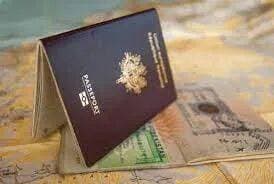
How Can Foreigners Enter China Amid Travel Restrictions?
It has been over a year since China closed its borders to foreign tourists on 2020/3/28. Since then, detailed entry policies have fluctuated in response to the evolving pandemic control situations both domestically and internationally.
In this context, domestic companies need to stay updated on the rules regarding how and under what circumstances foreign visitors can enter China.
This article provides an in-depth analysis of the travel restriction policies issued over the past year and offers detailed guidance on entry procedures for different categories of foreigners based on their visa type, vaccination status, nationality, and other factors.
1. China's Visa System
Considering that entry policies and related guidelines may vary depending on the visa status of foreign visitors, we will first introduce China's visa system.
Chinese visas are mainly divided into four categories: Diplomatic Visas, Courtesy Visas, Service Visas, and Ordinary Visas.
- Diplomatic and Service Visas are issued to foreigners entering China for diplomatic and official purposes. Courtesy Visas are issued to foreigners with special status who enjoy specific privileges. Ordinary Visas are issued to foreigners entering China for non-diplomatic and non-official purposes, such as work, study, family visits, tourism, business activities, and the introduction of talent in relevant categories.
So, how can foreign talent enter China under travel restrictions?
Based on the aforementioned policies, different foreigners can adopt different entry strategies depending on their visa type/status, nationality, and vaccination status.
If you hold a Diplomatic Visa, Service Visa, Courtesy Visa, or C Visa (Ordinary Visa), you should comply with the entry policies established before the travel ban, specifically the Phase I policy implemented since 2020/3/28.
If you are not a holder of the above-mentioned visas but have been properly vaccinated with Chinese-made COVID-19 vaccines (i.e., received two doses of Chinese-made vaccines at the prescribed interval or one dose of a Chinese-made vaccine at least 14 days prior to application) and have obtained a vaccination certificate, then:
-
For essential business activities, you and your family members can apply for the corresponding visa by providing the required documents as per pre-pandemic standards. An invitation letter issued by relevant authorities is no longer required.
-
For urgent humanitarian needs (such as family reunification, caring for the elderly, visiting relatives, attending funerals, or visiting critically ill relatives), foreign family members of Chinese citizens or Chinese permanent residents—including spouses, parents, children, and other cohabiting close relatives (referring to siblings, grandparents, and grandchildren)—can apply for the corresponding entry visa.
-
If you hold a valid APEC Business Travel Card, you can apply for an M Visa using the original valid APEC Business Travel Card and an invitation letter issued by the inviting party in mainland China.
If you are not a holder of a Diplomatic Visa, Service Visa, Courtesy Visa, or C Visa (Ordinary Visa), and you have not been properly vaccinated with Chinese-made vaccines, then the entry strategy will depend on your nationality:
-
If you are from countries subject to Phase III policies, including the UK, France, Italy, Belgium, Russia, Ukraine, the Philippines, Bangladesh, India, Nigeria, Ethiopia, Uzbekistan, and South Africa, you can only apply for a special visa with an invitation letter from relevant Chinese authorities in emergency situations.
-
If you are not from any of the selected countries but hold a valid residence permit for work, personal affairs, or family reunion, you may enter China with your residence permit.
-
If you are not from any of the selected countries and hold a residence permit for work, personal affairs, or family reunion, but your residence permit expired after 2020/3/28, you need to apply for a new visa using the expired residence permit. However, you do not need to provide an invitation letter.
-
If you are not from any of the selected countries and are not a holder of a residence permit for work, personal affairs, or family reunion, you can apply for a special visa with an invitation letter issued by the relevant authorities, provided that your entry is for essential economic, trade, or scientific activities, or for urgent humanitarian needs.