
Chinese workplace emojis can be confusing for foreigners. A new employee at a Chinese company once received a message in the work group. Everyone replied with a strange smiley face. The employee thought it was friendly and used the same emoji back. Later, a colleague explained that the smiley face meant “I am annoyed” or “I don’t care.” That was a hard lesson about Chinese workplace emojis and their hidden meanings. This guide helps foreigners avoid such mistakes.
It covers common meanings of WeChat emojis for work groups and private chats. Readers will learn what the smiley face really means, when to use the rose, and why everyone sends the cry-laugh emoji—no more awkward misunderstandings.
The Most Dangerous Chinese Workplace Emojis: Smiley Face
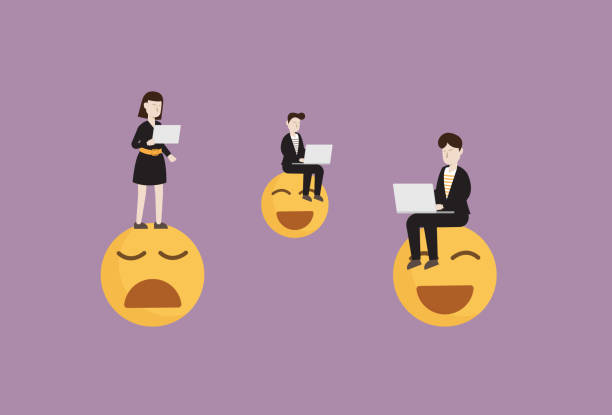
The worst offender is the default yellow smiley face with closed eyes and a flat mouth. In Western culture, that is just a friendly smile. In the Chinese workplace, it is a weapon. When a colleague sends that smiley face in response to a message, they are not happy. They are either annoyed, disappointed, or silently furious. It can mean “I do not agree, but I will not say it,” or “you are an idiot,” or simply “go away.” Managers have been known to use it to shut down ideas without saying a word.
Why is this so common in Chinese work culture? People avoid confrontation. The smiley face lets them express negative feelings without losing face. If a boss replies to a proposal with that smiley and nothing else, it means they hate it. The employee should not ask for more feedback, but improve the proposal or drop it. The smiley face’s meaning in China is also contextual.
If someone uses it at the end of a long, angry message, they are furious. If they use it alone, they are dismissing the recipient. The only time it is safe is when a close work friend sends it after a joke. Even then, caution is advised. The rule: never use this emoji at work unless the intention is to offend. Stick to other Chinese workplace emojis.
Understanding Chinese Workplace Emojis: Rose and Polite Deflectors
Another common confusion in the Chinese workplace with emojis is the rose emoji 🌹. In many countries, a rose represents romance. In Chinese work groups, it means almost the opposite. It is a polite, generic way to say “thank you,” “I acknowledge your effort,” or “let us end this conversation.” When someone says “good work” and adds a rose emoji, they are being formal. It is neither warm nor cold. It is simply neutral and polite.
Similarly, the folded hands emoji 🙏 can mean “please,” “thank you,” or “I am begging you.” It is stronger than the rose. Use it when a favor is needed or when someone has helped a lot. The handshake emoji 🤝 appears often after agreements. It means “we have a deal” or “let us cooperate.” It is positive but formal. The flexed bicep 💪 means “strong work” or “keep going.” It is encouraging and appears after someone finishes a big task.
The thumbs up 👍 is everywhere in the Chinese workplace emojis. It means “OK,” “I agree,” or “good.” It is safe to use. However, using it too much can seem casual. Some older managers find a single thumbs up with no text lazy. Adding “got it” or “thanks” before it is better. The OK hand sign 👌 is less common and can be misinterpreted in some cultures, so it is often avoided. Understanding these subtle distinctions is key to mastering Chinese workplace emojis.
Chinese Workplace Emojis: Cry, Laugh, and Safe Usage
The cry laugh emoji 😂 appears constantly in Chinese work groups. What does it mean? Usually, it means “that is funny” or “I am laughing with you.” But it can also mean “this situation is so awkward that I am laughing to relieve tension.” For example, someone makes a mistake and says “sorry.” A colleague might reply with 😂. That is not mocking. It is saying, “don’t worry, it is okay, let us laugh it off.” The WeChat emoji meanings for 😂 are mostly positive. It is one of the safest Chinese workplace emojis to use.
There is also the tears of joy emoji 🤣, which is more intense. It means something is hilarious. Use it sparingly in professional chats. Too much laughter might seem unprofessional. The smiling face with sweat 😅 means “nervous laugh” or “I am relieved that worked out.” It might be sent after fixing a mistake. The upside-down face 🙃 means “I am confused,” or “this is ironic,” or “I give up.” It is rare in work settings but appears in informal teams.
For the Chinese workplace emojis, the cry-laugh is the best friend. It softens any message. If unsure how someone will react to a text, adding 😂 at the end makes criticism less harsh and requests less demanding. But do not overuse it. One or two per conversation is enough. These Chinese workplace emojis help navigate group chats safely.

Private Chat Emojis That Can Get You in Trouble
Private chats with colleagues are riskier than group chats. In a one-on-one private chat, emoticons and more personal expressions may appear. Some of them are dangerous. The eye-rolling face 🙄 is obvious. It means “I am annoyed with what you said.” If a coworker sends this, they are frustrated. The face with steam from the nose 😤 means “triumph” or “annoyed but proud.” It is rare. The grimacing face 😬 means “awkward” or “I am uncomfortable.” It can be sent when a direct no is difficult.
The real danger is the smiling face with heart eyes 😍 or the winking face 😏. In Western offices, these might be fine among friends. In Chinese business chat etiquette, they can be seen as flirtatious or unprofessional. They should not be sent to someone not well-known. A male colleague sending 😍 to a female colleague could cause trouble. The face with tongue out 😛 is also too casual for work.
The pleading face 🥺 is new and popular. It means “please” or “I am sorry” in a cute way. Young colleagues use it, but older managers might find it childish. Reading the room is important. The thinking face 🤔 means “let me consider” or “I doubt that.” It is fine to need time to reply. The sleeping face 😴 is rude unless joking with a close teammate about staying up late.
GIFs and Custom Stickers in Chinese Work Groups
WeChat has thousands of custom stickers. Many Chinese workplaces use them. GIFs and stickers are even more complicated than Chinese workplace emojis. A popular sticker is the “cute panda falling,” which means “I give up.” Another is “dog looking sideways,” which means “suspicious” or “are you serious?” The “angry cat” means “I am upset but will not say it.”
The most famous is the “smiling old man” sticker – an elderly man smiling gently. That means “I am watching you” or “I am disappointed.” Managers use it to express disapproval without confrontation. Receiving that sticker means something is wrong. Another common one is “person slapping forehead,” which means “I am an idiot” or “I made a silly mistake.” It is useful for small forgetfulness.
For WeChat emoji meanings, custom stickers are highly contextual. A sticker that is funny in one team might be offensive in another. Asking a trusted colleague about common stickers in the office is wise. Never send stickers with political or sexual content. That is an instant HR problem. When in doubt, sticking to standard Chinese workplace emojis like 👍🌹😂 is safest.
How to Respond Safely to Emojis
Mastering every business chat emoticon nuance is not necessary. There are safe strategies. First, when someone sends a smiley face 😊 (the dangerous one) or an ambiguous emoji, do not overthink. Reply with a simple 👍 or 🌹 and move on. Asking “What do you mean?” will make things worse.
Second, mirror the other person’s style. If a manager uses 😂, use 😂. If they use only text, use only text. Matching formality shows respect. Third, avoid using emojis with new contacts. Wait a few weeks until the team culture becomes clear.
For private chat emoticons, keep it simple. 👍, 🙏, and 😂 cover most situations. Never use ❤️ (heart) with someone not close. In Chinese work culture, red hearts can be seen as romantic. Use 🌹 instead for thanks. Also, do not use emojis aggressively. Sending ten angry faces in a row is never acceptable. If upset, use words.
Finally, remember that Chinese workplace emojis are tools to maintain harmony, not express true feelings. When a colleague sends a smiling face, they are not smiling. Interpretation should be adjusted accordingly. When in doubt, ask a Chinese friend or coworker privately. They will usually explain.
Conclusion
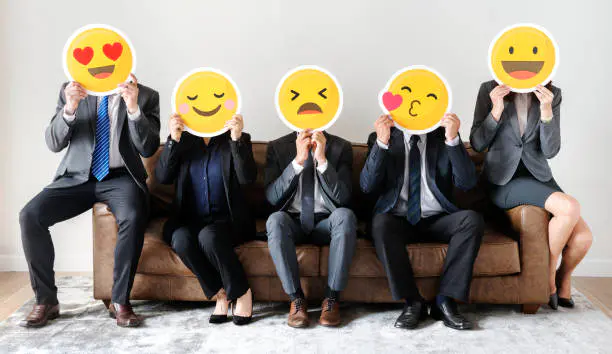
Understanding Chinese workplace emojis takes time. The smiley face is dangerous. The rose is polite but distant. The cry laugh is a safe friend. Private chats require extra caution. GIFs and stickers add another layer. The advice is to observe first, then imitate. When seeing how colleagues use WeChat emoji meanings in a specific workplace, follow their lead. Stick to 👍, 🌹, and 😂 until confident. Avoid 😊 (the flat smile) unless intending to offend. Never use romantic emojis like ❤️ or 😘 at work. Mistakes will happen, but this guide helps make fewer.
For more business communication tips, check resources like China Daily Business Etiquette and WeChat Official Help Center. Another good read is the Forbes China Communication Guide. Now reply with confidence. And please, do not send the smiley face unless meaning it.