
2025 Foreign Teachers in China: Salary benchmarks by city tier, visa policy updates & demand hotspots in K-12/higher education. Get recruitment insights for international schools.
Introduction: A New Chapter in China’s Educational Internationalization Post-Pandemic
By 2025, China’s education market has entered a phase of deep integration in its internationalization journey. While the shadow of the global pandemic has largely receded, its impact on international mobility and educational models continues to shape the landscape for foreign teachers in China. The push for “Double First-Class” university initiatives, the standardized development of private international schools, and the national emphasis on foreign language proficiency for STEM talent have driven structured growth in demand for high-quality foreign language educators. However, increasingly stringent work visa policies, the rise of qualified local bilingual teachers, and the penetration of online education platforms present unprecedented challenges to traditional hiring models for foreign teachers in China. This report delves into salary competitiveness, regional demand hotspots, compliance requirements, and future opportunities to inform market participants.

Demand Analysis: Diversified Expansion Meets Structural Adjustment
K-12 International Education Sector: Solid Core Demand, Rising Quality Bar
- Continued Expansion of Private International Schools: Although growth has moderated compared to pre-pandemic levels, premium private schools and schools for children of foreign nationals remain the primary employers of foreign teachers in China. New campus projects in Tier 1 and strong Tier 2 cities (e.g., Beijing, Shanghai, Shenzhen, Guangzhou, Hangzhou, Suzhou, Chengdu) continue to generate teaching positions, particularly within established international curricula (e.g., IB, A-Level, AP).
- Public School International Divisions/Bilingual Programs: Affected by policy standardization, some public school international divisions have undergone transformation or consolidation. However, demand for foreign teacher hiring persists, especially within high-quality public schools offering intensive English programs or Sino-foreign cooperative education projects. Positions increasingly favor foreign teachers holding teaching licenses (e.g., PGCE, QTS, US state license) and possessing systematic teaching experience.
- Shift in Demand Focus: Market demand for foreign teachers in China is shifting from quantity fulfillment to quality enhancement. Teachers with subject-teaching expertise (e.g., teaching Math, Science, or Drama in English), cross-cultural communication skills, curriculum development experience, and stability are highly preferred. Candidates holding qualifications like PGCE, QTS, US state teaching licenses, or relevant Master’s degrees hold significant competitive advantages.
Higher Education Sector: Policy-Driven Optimization
- “Double First-Class” Initiative & Internationalization Metrics: Top-tier universities, aiming to boost international rankings and research collaboration capabilities, continue to introduce English-taught degree programs and courses, intensifying efforts to recruit academically-oriented foreign teachers in China (often on contract or as visiting professors) holding PhDs or with substantial research/teaching experience.
- Applied Undergraduate & Vocational Colleges: Focus shifts towards recruiting practice-oriented foreign teachers with industry backgrounds capable of teaching ESP (English for Specific Purposes) or specialized courses, aligning with the goal of cultivating internationally competent skilled professionals.
- Enhanced Compliance Requirements: Universities enforce rigorous checks on foreign teachers’ credentials, requiring authenticated degrees (e.g., via WES or similar), verifiable work experience, and clean criminal record reports.
Language Training & Corporate Education Sector: Online Integration & Niche Growth
- Offline Institution Recovery & Consolidation: Large chain language training providers (e.g., successors to models like EF, Wall Street English) are recovering, but market concentration is increasing. Hiring of foreign teachers is becoming more cautious, favoring locally based, long-term residents who offer stability.
- Online Education Platforms: Despite regulatory adjustments, compliant platforms specializing in adult online English learning or small-group youth classes remain significant employers of foreign teachers in China, providing a flexible entry point for overseas-based teachers seeking China experience.
- Rising Corporate Training Demand: Accelerating Chinese corporate expansion overseas and internal internationalization drive demand for Business English and cross-cultural communication training for executives. This fuels demand for experienced foreign teachers in China with strong business backgrounds.
Salary & Benefits Breakdown: Clear City Tiers, Total Package is Key
2025 compensation for foreign teachers in China shows significant regional and hierarchical variation:

K-12 Compensation Structure (Pre-tax Annual Salary, incl. Base + Major Allowances):
- Tier 1 Cities (Beijing, Shanghai, Guangzhou, Shenzhen):
- New Teachers (no experience or <2 years): ¥230,000 – ¥320,000 ($32,000 – $44,500 USD approx.)
- Experienced Teachers (2-5 years): ¥300,000 – ¥420,000 ($41,700 – $58,300 USD approx.)
- Department Heads/Senior Teachers (5+ years): ¥380,000 – ¥480,000+ ($52,800 – $66,700+ USD approx.)
- *International School Principals/Senior Management: ¥800,000 – ¥1,500,000+ ($111,000 – $208,000+ USD approx.)*
- Strong Tier 2 Cities (Hangzhou, Suzhou, Nanjing, Chengdu, Chongqing, etc.):
- New Teachers: ¥200,000 – ¥280,000 ($27,800 – $39,000 USD approx.)
- Experienced Teachers: ¥260,000 – ¥350,000 ($36,100 – $48,600 USD approx.)
- Senior/Management Roles: ¥330,000 – ¥430,000+ ($45,800 – $59,700+ USD approx.)
- Other Tier 2/3 Cities: ¥180,000 – ¥250,000 (New) ($25,000 – $34,700 USD approx.), ¥230,000 – ¥300,000 (Exp) ($32,000 – $41,700 USD approx.)
Higher Education Compensation:
- Language Lecturers (BA required): ¥180,000 – ¥280,000 ($25,000 – $39,000 USD approx.)
- Subject Lecturers (MA required): ¥250,000 – ¥350,000 ($34,700 – $48,600 USD approx.)
- Academic Faculty/Professors (PhD required, Contract): ¥350,000 – ¥600,000+ ($48,600 – $83,300+ USD approx.) (Highly variable based on institution rank, discipline, research output, negotiation).
Language Training/Corporate Sector:
- Offline Institution Full-time: ¥180,000 – ¥300,000 (Tier 1) ($25,000 – $41,700 USD approx.)
- Senior Corporate Trainers/Consultants: ¥300,000 – ¥500,000+ ($41,700 – $69,400+ USD approx.)
- Online Platform Teachers: Typically hourly, ¥150 – ¥400+/hour ($21 – $56+/hour USD approx.), income volatility higher.
Core Benefits (Commonly Provided):
- Housing Allowance/Free Accommodation: Highly valuable, especially in Tier 1. Allowance typically ¥5,000 – ¥15,000/month ($700 – $2,100 USD approx.), or provision of quality apartments.
- Annual Round-Trip Airfare: Economy class flights for teacher and eligible dependents.
- International Health Insurance: Comprehensive global or regional coverage is a key attraction.
- Paid Leave: Typically 11-12 weeks (incl. summer/winter holidays + public holidays), superior to many industries.
- Child Education Allowance: Common in premium international schools, covering partial or full tuition for teachers’ children at the school.
- Contract Completion/Performance Bonus: Increasingly common to improve retention.
- Professional Development Fund: Support for attending training or conferences.
Policy & Regulatory Environment: Ongoing Standardization & Tightening, Compliance is Paramount
2025 marks a year of continued refinement and strict enforcement of work visa (primarily Z Visa) and work permit regulations for foreign talent in China:
Core Work Permit Requirements:
- Education Threshold: Foreign teachers in China engaged in language teaching typically require a Bachelor’s degree or higher + 2 years of relevant work experience. Non-language teaching (e.g., subject teaching) usually demands higher qualifications (Master’s + relevant certification/experience). TEFL/TESOL certificates, while not universally mandatory, are now industry standard and significantly strengthen applications (typically requiring 120+ hour accredited courses).
- Clean Criminal Record Certificate: Requires an apostilled and notarized certificate from home country and any country resided in for over 6 months consecutively within the past 10 years. The authentication process is complex and time-consuming.
- Health Examination: Must be completed at designated Chinese Entry-Exit Inspection and Quarantine facilities, meeting specific standards.
- Age Restrictions: While no unified national upper limit exists, applicants over 60 face significantly higher approval hurdles, often requiring extra health certifications and justification for hiring. Some cities may have clearer restrictions.
- Work Experience Verification: Requires notarized and authenticated proof of meeting the required years of experience.
Visa & Work Permit Process Key Points:
- Strict Employer Qualification Checks: Educational institutions must possess robust credentials and authorization to hire foreign experts, subject to increasingly strict annual reviews. Risks of illegal employment are severe.
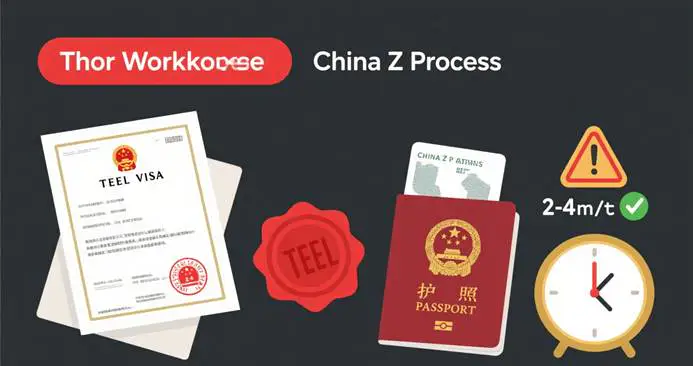
- Prolonged Application Timeline: The entire process (document prep, authentication, submission, review) typically takes 2-4 months, necessitating advance planning.
- Complexity of In-Country Job Change: Procedures for foreign teachers switching employers within China are cumbersome, requiring cooperation from the former employer for permit cancellation and carrying risks of employment gaps. Seamless transitions are difficult.
- Enhanced Background Checks: Scrutiny of applicant backgrounds (especially work history and references) is more thorough.
Taxation Policy:
- Personal Income Tax (PIT): Foreign teachers classified as Chinese tax residents (residing 183+ days/year) are taxed on worldwide income. Progressive tax rates apply (3%-45%). Employers typically handle withholding.
- Tax-Exempt Allowances: Legitimate, receipt-based reimbursements for housing, language training, and children’s education can be PIT-exempt, making them crucial negotiation points.
Key Regulatory Focus Areas:
- Cracking Down on Illegal Employment: Continued strong enforcement against teaching activities conducted on non-work visas (e.g., L, M, F visas).
- Qualification & Role Alignment: Strict checks ensuring the subjects/content taught align with the foreign teacher’s qualifications, credentials, and permitted scope on the work permit.
- Transparency in Hiring: Promoting transparent recruitment practices by schools and agencies, safeguarding the legal rights of foreign teachers.

Future Outlook: Intertwined Challenges & Opportunities
Major Challenges:
- Rising Compliance Costs: Complex application procedures, stringent checks, and high costs for credential authentication increase the time and financial burden on schools and foreign teacher recruitment.
- Competition from Local Bilingual Teachers: The rapidly growing pool of highly qualified Chinese teachers with overseas education, fluent English, and professional skills offers cost advantages (no international benefits package required) and greater stability, especially for non-core subject roles.
- Online Education Substitution Effect: High-quality online foreign teacher programs provide alternatives for certain needs (e.g., conversational practice, specific skill enhancement).
- Geopolitics & International Relations: May indirectly influence talent mobility willingness and visa approval dynamics.
Significant Opportunities:
- Persistent Demand for High-Quality Education: The pursuit of premium international education by China’s middle and high-income families remains strong, sustaining robust demand for top-tier foreign teachers in high-end international schools and programs.
- Online Integration & Blended Learning: Foreign teachers skilled in blended (online + offline) teaching methodologies are increasingly sought after, opening opportunities for talented teachers located overseas or in China’s Tier 2/3 cities.
- Broadening Career Pathways: Beyond teaching, roles in curriculum development, teacher training (Train the Trainer), and EdTech support offer advancement for experienced foreign educators.
- Emerging Cities & Niche Markets: Demand continues growing in strong Tier 2 and select Tier 3 cities. Corporate training, STEM education, and specialized arts/sports programs present specific opportunities.
- Specialization & Differentiation: Foreign teachers with expertise in specific subjects (e.g., Computer Science, Design Thinking, Critical Thinking), Special Educational Needs (SEN) support, or leadership programs possess distinct competitive advantages.
Conclusions & Recommendations
The 2025 market for foreign teachers in China is mature, characterized by development within a framework of standardization and competitive upgrading. Demand for foreign teachers has evolved from mere presence to prioritizing excellence. While compensation maintains international competitiveness, internal stratification is intensifying. The ongoing tightening of work visa policies elevates compliance to unprecedented strategic importance.
- Recommendations for Educational Institutions:
- Plan Ahead, Prioritize Compliance: Integrate foreign teacher recruitment into annual HR planning, allowing ample time for work permits. Ensure 100% legal and procedural compliance. Partner with reputable foreign teacher recruitment agencies.
- Enhance Employer Value Proposition: Beyond competitive pay, build attraction through career development support, cultural integration assistance, lifestyle facilitation, positive work environments, and transparent management.
- Foster Local-Foreign Collaboration: Establish mechanisms (e.g., Co-teaching, Mentoring) for effective collaboration between foreign and local teachers, optimizing team structure to balance cost and quality.
- Invest in Retention: Provide clear career progression paths, continuous professional development, effective communication, and genuine care to reduce the high costs of turnover.
- Recommendations for Prospective Foreign Teachers:
- Qualifications & Experience are Currency: Ensure core documents (degree, TEFL/TESOL certs – 120+ hours, clean criminal record) are complete, authentic, and ready for authentication. Build solid, verifiable teaching experience.
- Deep Dive into Target Market & Policies: Research specific requirements and local policy enforcement nuances for preferred cities and school types. Maintain realistic salary/benefit expectations.
- Choose Reputable Channels & Employers: Be wary of illegal agents and unlicensed “schools.” Insist on a formal contract compliant with Chinese labor law, clearly outlining duties, compensation, benefits, and termination clauses.
- Hone Professional & Cross-Cultural Skills: Continuously improve teaching skills, learn basic Mandarin, actively adapt to Chinese culture and work styles, and demonstrate professionalism and stability.
- Embrace Digital Teaching Skills: Develop blended teaching competencies to enhance market adaptability.
Foreign teachers in China serve as vital bridges connecting Chinese education with the world, their roles continually evolving. Shaped by policy, market forces, and technology, only institutions and individuals embracing change, upholding professionalism, and adhering strictly to compliance will successfully navigate this dynamic and challenging market. The path for China’s educational internationalization remains broad, and the contribution of high-caliber foreign talent is indispensable, though their integration pathways and development trajectories will continue evolving within frameworks of regulation and innovation.