
Explore how Narrative Designers act as cultural bridges, empowering Chinese games to overcome cultural barriers and craft stories with global resonance. Discover the definition, core competencies, and strategic value of the Narrative Designer role in game localization and worldwide narrative success.
Introduction
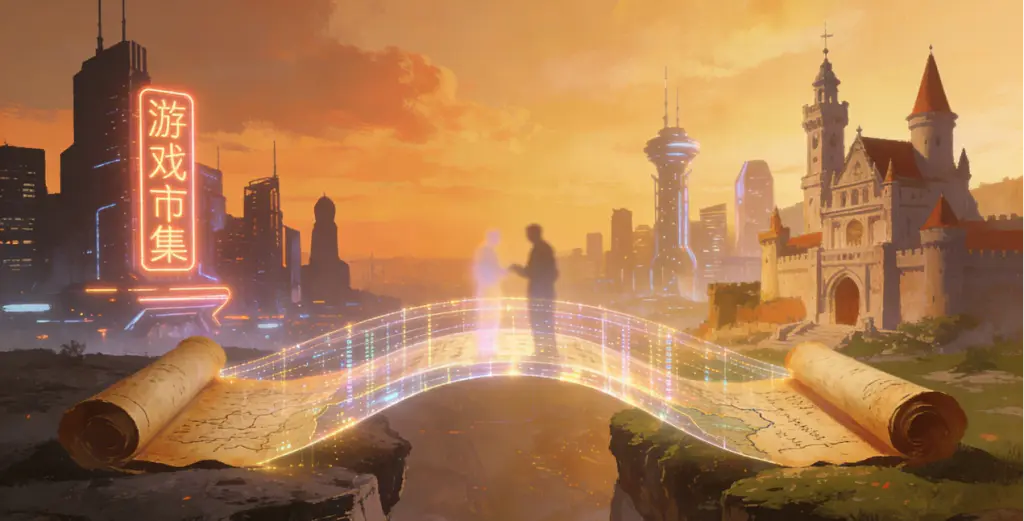
In today’s increasingly competitive global gaming market, the Chinese games industry stands at a historic inflection point. With rapid advancements in technical capabilities and accumulated development experience, Chinese games have made significant strides in gameplay innovation, visual presentation, and systems design. However, to truly break through cultural boundaries and win the heartfelt resonance of players worldwide, we must confront a core challenge: how to tell stories that can transcend cultural differences and touch the human heart. This is the moment for the critical role of the Narrative Designer to take center stage.
The Narrative Challenges and Opportunities for Chinese Games Going Global
In recent years, the overseas expansion of Chinese games has gained tremendous momentum. From Southeast Asia to European and American markets, Chinese developers are increasingly visible. However, while many titles achieve commercial success, they also reveal noticeable shortcomings at the narrative level. The overuse of culture-specific symbols, singular expressions of values, and formulaic character portrayals often become barriers to deep immersion for international players.
Conversely, the global gaming market is undergoing a “narrative renaissance.” Players are no longer satisfied with simple task lists and numerical progression. They crave emotional investment, moral choices, character identification, and the exploration of meaning. From the complex moral dilemmas of The Witcher 3: Wild Hunt to the intellectual depth of Disco Elysium, from the emotional impact of The Last of Us to the epic period storytelling of Red Dead Redemption 2, exceptional narrative has become standard for top-tier games. This trend is evident not only in AAA blockbusters but also in indie games like Undertale and Outer Wilds, which have won global acclaim through narrative innovation.
Within this context, the specialized role of the Narrative Designer has evolved from traditional game writing into a core pillar of game development. A Narrative Designer is not merely a writer of stories but an architect of interactive narrative systems, a planner of player emotional arcs, and a translator of cultural codes.
The Narrative Designer: Definition, Responsibilities, and Core Value
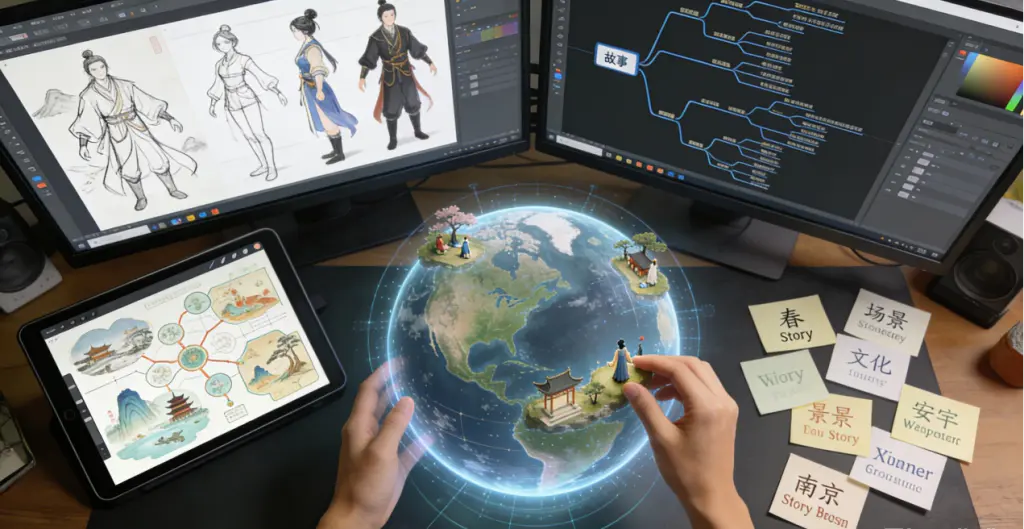
So, what exactly is a Narrative Designer? Compared to a traditional game writer, the role of a Narrative Designer is more comprehensive and systematic. They are responsible for organically integrating narrative elements into all layers of the game experience, ensuring the story is not an isolated plot fragment but an organic whole deeply fused with gameplay, mechanics, art, and sound.
The core responsibilities of a Narrative Designer include:
Worldbuilding and Consistency Management: Constructing a virtual world with internal logic and appeal, ensuring all narrative elements remain consistent in timeline, space, and logic.
Interactive Narrative Systems Design: Creating systems where player choices influence story development, balancing narrative coherence with player agency.
Character Arc Design: Crafting characters with depth and growth, designing their emotional trajectories and points of interaction with the player.
Environmental Storytelling Integration: Conveying story information through level design, artistic details, and audio cues, achieving “show, don’t tell.”
Cross-Cultural Narrative Adaptation: Translating core narrative themes into forms understandable and relatable to players from different cultural backgrounds.
In a globalized context, the value of the Narrative Designer, particularly the cross-cultural Narrative Designer, becomes even more pronounced. They act as “cultural bridges,” possessing a deep understanding of the source culture’s essence while mastering the receptive psychology of the target culture, capable of transforming Eastern narrative wisdom into experiences appreciated by a global audience.
A Methodology and Practical Framework for Cross-Cultural Narrative Design
Exceptional cross-cultural Narrative Designers adhere to a set of proven methodological principles:
Combining Universal Themes with Specific Expression: Universally human experiences—love, loss, growth, justice, sacrifice—form the foundation for crossing cultures. The Narrative Designer’s task is to identify these universal themes and then enrich them with culturally specific details and symbols. For example, familial duty is a theme shared by many cultures, but it manifests differently in Chinese “filial piety,” Latin American “familismo,” or Mediterranean “family honor.”
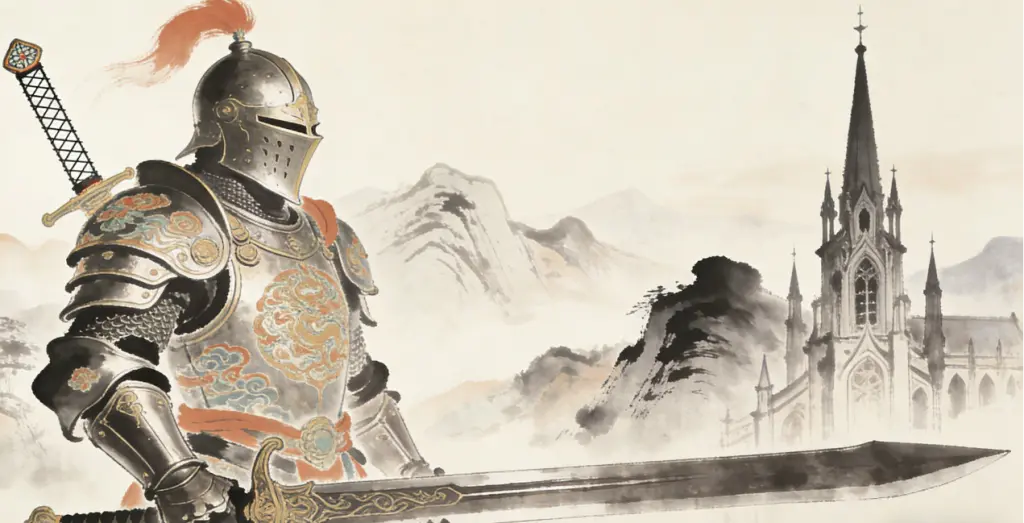
Reinterpreting Cultural Archetypes: Every culture has its mythological archetypes and story patterns. Narrative Designers need to identify these patterns and perform creative transformations. The Chinese “wuxia” spirit can be analogized to Western “chivalry” or Japanese “bushido,” but its core values and expressions require clever adjustment to suit different cultural contexts.
Cross-Cultural Translation of Symbol Systems: Colors, animals, numbers, and gestures carry vastly different meanings across cultures. Narrative Designers must establish a “cultural safety check” mechanism to avoid unintentional cultural offense while actively seeking symbolic elements that can generate positive associations.
Designing Interactive Ethics and Values: Moral choice systems in games often reflect specific cultural values. Narrative Designers need to design ethically inclusive frameworks, allowing players from different backgrounds to find their moral footing. For instance, the balance between individual heroism and collective responsibility, or the dialectic between free will and predestination, can become fertile ground for cross-cultural storytelling.
Matching Narrative Pacing with Cultural Cognitive Habits: Different cultures have varying expectations for story pacing, methods of information revelation, and the construction of emotional climaxes. East Asian narratives might emphasize atmospheric buildup and implied meaning, while Western narratives might prefer clear goals and direct conflict. Narrative Designers need to find a balance or design appropriate narrative pacing adjustments for different markets.
Core Competency Map for a Narrative Designer
To excel at the complex task of cross-cultural narrative design, a professional requires multi-dimensional competencies:
Cultural Literacy and Sensitivity: A deep understanding of the narrative traditions, value systems, and aesthetic preferences of at least two cultures. This involves not just knowledge accumulation but also the ability for emotional empathy and perspective-taking.
Systems Thinking and Interaction Design Ability: Narrative Designers must understand the essence of games as interactive systems, capable of transforming linear narratives into branching narratives, emergent narratives, or environmental storytelling while maintaining overall coherence and emotional impact.
Interdisciplinary Knowledge Integration: Knowledge from fields such as psychology (especially emotion cognition and immersion theory), anthropology (cross-cultural studies), literary theory (narratology, comparative literature), and film studies (visual storytelling) provides essential nourishment for narrative design.
Technical Understanding and Tool Proficiency: Modern narrative design often requires collaboration with game engines (like Unity, Unreal), branching narrative tools (like Twine, Articy:Draft), and dialogue management systems. Technical literacy helps Narrative Designers translate creativity into achievable interactive experiences.
Collaboration and Communication Skills: Positioned at the intersection of art, programming, design, and audio, Narrative Designers must be able to communicate effectively with team members from different specialties, translating the narrative vision into concrete development tasks.
Practical Pathways for the Globalization of Chinese Game Narratives
Based on the above framework, Chinese game developers can adopt the following specific strategies to enhance global narrative capabilities:
Establish a Network of Cultural Consultants: Form a think tank comprising narrative consultants, localization experts, and cultural scholars from diverse backgrounds, introducing cross-cultural perspectives early in the development process.
Develop Modular Narrative Systems: Design flexible narrative modules that allow the core story to be adapted to different cultural contexts without requiring a complete content overhaul.
Implement a Layered Narrative Strategy: Create multi-layered narrative experiences where the surface level offers easily understandable action and conflict, and deeper layers contain culturally specific philosophical reflections and aesthetic subtleties, allowing players from different cultures to find satisfaction at their respective levels.
Invest in Narrative Technology R&D: Explore cutting-edge technologies like AI-assisted narrative generation, dynamic narrative adaptation systems, and affective computing to provide technical support for personalized, adaptive cross-cultural narrative experiences.
Conduct Global Player Co-Creation: Introduce diverse player testing groups during development, paying special attention to how players from different cultural backgrounds understand and react to narrative elements, establishing a continuous feedback and iteration cycle.
Industry Trends and Future Outlook
The field of game narrative is undergoing profound transformations, with several trends being particularly noteworthy:
Expanding the Boundaries of Interactive Narrative: Evolving from traditional branching narratives towards more complex emergent narratives, AI-generated narratives, and player-driven narratives, making narrative systems more dynamic and personalized.
Building Cross-Media Narrative Ecosystems: Games, film/TV, literature, and comics collaboratively construct unified story worlds. Narrative Designers will need to master the skills of transmedia story architecture.
Cultural Fusion and Innovation: Accelerated global cultural exchange is spurring new hybrid cultural narrative styles, such as the fusion of cyberpunk and Eastern aesthetics (Japanese elements in Cyberpunk 2077) or the blending of Slavic mythology with modern political allegory (Atomic Heart).
Deep Engagement with Social Issues: Game narratives are increasingly exploring global issues like climate change, AI ethics, and social equality, taking on the role of a medium for cultural dialogue in the digital age.
Integration of Neuroscience and Affective Computing: Through biofeedback and emotion recognition technologies, games can adjust narrative pacing and content in real-time, providing players with highly personalized emotional experiences.
Join Us: Become a Builder of Cultural Bridges
The Narrative Designer we seek is not only a storyteller but a builder of cultural bridges. We hope you possess:
- A profound understanding and genuine respect for both Eastern and Western narrative traditions.
- The creativity and methodology to translate cultural essence into interactive experiences.
- A pragmatic idealism that finds artistic expression within technical constraints.
- The sense of mission and patience to propel Chinese game narratives onto the global stage.
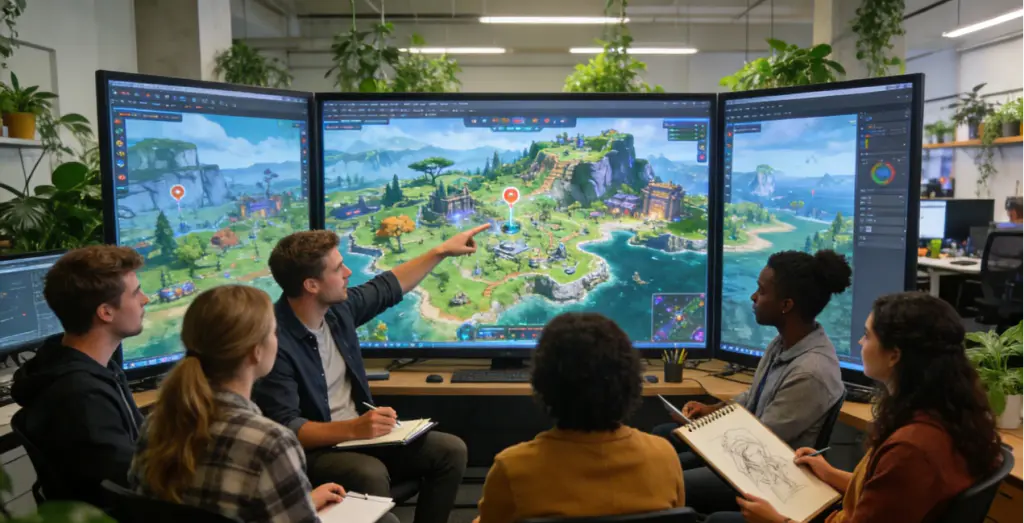
Within our team, Narrative Designers will be involved in the entire process from concept to completion, collaborating with top-tier game developers and cultural researchers worldwide to explore the future possibilities of interactive storytelling. You will receive resource support, creative freedom, and professional growth opportunities to collectively create works that leave a mark on gaming history.
Conclusion: The Power and Responsibility of Narrative
As a dominant form of entertainment and artistic expression in the 21st century, games carry the unique mission of facilitating cultural dialogue and sharing human experience. In an era of shifting global political and economic landscapes, where cultural exchange is frequent yet misunderstandings persist, game narrative possesses a unique power to transcend borders.
Exceptional Narrative Designers are the stewards and guides of this power. They understand how to translate the depth and beauty of a specific culture into universal human resonance, how to plant seeds of thought beneath the surface of entertainment, and how to reflect the complexity of reality within virtual worlds. They design not just plots and dialogue, but emotional experiences, cognitive frameworks, and cultural memories.
The Chinese games industry is at a critical historical juncture: we can choose to repeat short-term, market-verified success models, or we can choose to invest in building more fundamental, enduring cultural influence. Narrative Designers are the core talent for this strategic transformation. They are not only technical experts within development teams but also cultural ambassadors for the digital age, building bridges of understanding and appreciation between East and West through the emerging medium of interactive experience.
We believe that when Chinese games truly master the art of cross-cultural storytelling, we will not only create commercial success but also contribute to the enrichment and balance of the global cultural ecosystem, reinterpreting the ancient wisdom of “harmony in diversity” for the digital age.
If you are eager to accept this challenge, if you believe in the power of stories to change the world, if you are willing to become a builder of cultural bridges, we invite you to join this journey. Let us together instill narrative soul into Chinese games, create memorable experiences for a global audience, and within the infinite possibilities of the digital world, write a cultural legend for our time.