
Explore 3,800+ high-paying manufacturing recruitment opportunities in Shenzhen for foreign engineers. Discover salaries up to $300K, visa tips & how to join BYD/Huawei. Apply now!
Introduction
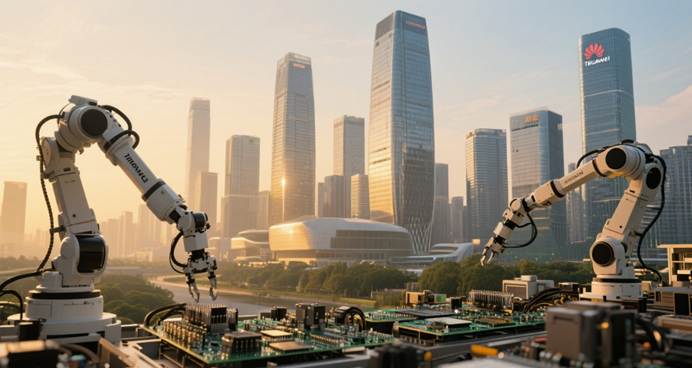
Shenzhen, the vibrant heart of China’s technological and manufacturing revolution, stands as a global beacon for innovation and production excellence. Its transformation from a humble fishing village into the “Silicon Valley of Hardware” is nothing short of remarkable. For ambitious foreign engineers, this dynamic city presents an unparalleled landscape of manufacturing recruitment opportunities. Shenzhen’s factories don’t just assemble products; they forge the future of electronics, telecommunications, robotics, and sustainable manufacturing. The city’s relentless drive for advancement creates a constant, high demand for top-tier international engineering talent. This comprehensive guide explores the thriving ecosystem of manufacturing recruitment in Shenzhen, detailing why foreign engineers are in such high demand, how to navigate the job market, and what makes this city a uniquely rewarding place to build an engineering career focused on cutting-edge production and innovation.
Why Shenzhen? The Manufacturing Powerhouse Calling for Global Talent
Shenzhen’s dominance in global manufacturing is undeniable and forms the bedrock of its demand for skilled foreign engineers:
Electronics & Hardware Epicenter: Shenzhen is the undisputed global capital for electronics manufacturing and hardware innovation. Home to giants like Huawei, Tencent, BYD, DJI, and Foxconn (Hon Hai Precision Industry), alongside countless innovative SMEs, the city offers unparalleled exposure to cutting-edge production processes, rapid prototyping (leveraging the famous Huaqiangbei electronics markets), and mass-scale manufacturing.
Innovation Ecosystem: Shenzhen fosters an environment where R&D, design, and manufacturing collide productively. Initiatives like the Qianhai Shenzhen-Hong Kong Modern Service Industry Cooperation Zone and numerous high-tech parks create fertile ground for breakthroughs. Foreign engineers often bring unique R&D methodologies and specialized technical knowledge crucial for maintaining Shenzhen’s competitive edge in fields like AI-driven manufacturing, advanced robotics, and next-gen materials science.
Supply Chain Integration: The Pearl River Delta region, with Shenzhen at its core, boasts the world’s most concentrated and efficient manufacturing supply chain. For foreign engineers, working here means direct access to suppliers, component manufacturers, and logistics networks unmatched anywhere else, accelerating product development cycles from prototype to mass production.
Government Commitment: The Shenzhen Municipal Government and the broader Guangdong Provincial Government aggressively support advanced manufacturing through significant investment, tax incentives for R&D, streamlined business setup processes, and crucially, attractive policies for attracting high-level international talent (e.g., the “Peacock Plan” offering substantial subsidies and support).
Gateway to the GBA: Shenzhen is a pivotal hub within the Guangdong-Hong Kong-Macao Greater Bay Area (GBA), a national strategy aiming to create a world-class cluster of innovation and advanced manufacturing. This integration opens doors for foreign engineers to collaborate across a diverse and economically powerful region exceeding 86 million people.
The Surging Demand for Foreign Engineers in Shenzhen Manufacturing
The manufacturing recruitment landscape in Shenzhen actively seeks foreign engineers for several compelling reasons, driving significant job creation:
Bridging the Global Expertise Gap: Chinese manufacturers, especially those aiming for international expansion or serving global clients, require deep understanding of international quality standards (e.g., ISO, ASME, Six Sigma), safety regulations (e.g., OSHA equivalents, CE, UL), and market-specific product requirements. Foreign engineers bring this vital, on-the-ground knowledge.
Driving Technological Leapfrogging: While China excels in scale and efficiency, accessing the very latest, often proprietary, technologies and advanced manufacturing methodologies (e.g., specific high-precision machining techniques, proprietary automation software, advanced composite manufacturing) frequently requires hiring foreign engineers who possess this specialized, often niche, expertise.
Enhancing Innovation & R&D Capabilities: Multinational corporations (MNCs) and ambitious Chinese firms establish R&D centers in Shenzhen to tap into the local ecosystem. They actively recruit foreign engineers to lead these centers, bring diverse perspectives, foster creative problem-solving, and drive fundamental research alongside applied development.
Managing International Projects & Teams: As Shenzhen-based manufacturers undertake complex international projects or acquire overseas facilities, they need foreign engineers with cross-cultural management skills, language proficiency (especially English), and experience navigating global project delivery complexities.
Solving Specific Technical Bottlenecks: Companies often face highly specific technical challenges – optimizing a complex semiconductor fabrication process, developing a novel battery chemistry for production, or implementing AI for predictive maintenance at scale. Manufacturing recruitment targets foreign engineers with precisely the niche PhD-level expertise or deep industry experience needed to overcome these hurdles.
Mentorship & Knowledge Transfer: Hiring senior foreign engineers is a strategic move for developing local talent. They act as mentors, transferring critical skills, advanced engineering principles, and global best practices to the domestic workforce, elevating the overall capability of the Shenzhen manufacturing base.
In-Demand Engineering Disciplines: Where Opportunities Abound
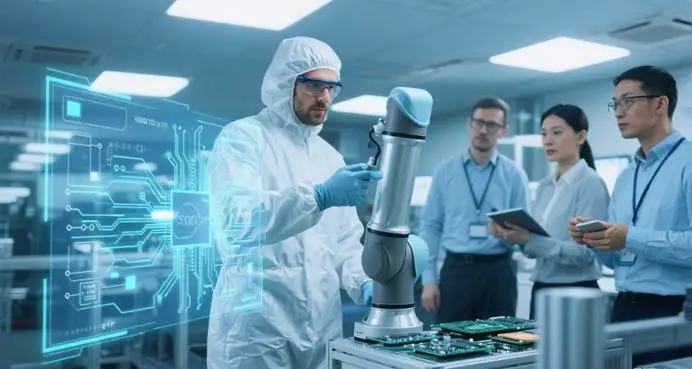
Shenzhen’s manufacturing recruitment drive focuses intensely on specific engineering specializations where foreign engineers offer significant value:
Automation & Robotics Engineers: The push towards “Lights-Out Factories” and Industry 4.0 is relentless. Expertise in industrial robotics (Fanuc, KUKA, ABB), PLC programming (Siemens, Rockwell), vision systems (Cognex, Keyence), and integrated automation solutions is paramount.
Electronics & Electrical Engineers (Hardware Focus): Design, testing, and manufacturing of PCBs, embedded systems, RF components, power electronics, and semiconductor packaging. Knowledge of DFM (Design for Manufacturability) and DFT (Design for Testability) specific to high-volume electronics is critical.
Mechanical & Mechatronics Engineers: Expertise in precision mechanical design (CAD/CAM – SolidWorks, NX, Creo), materials science (especially for lightweighting), thermal management, fluid dynamics, and the integration of mechanical systems with electronic controls.
Industrial & Process Engineers: Optimization gurus specializing in lean manufacturing principles, Six Sigma (Black Belts highly valued), production line design and balancing, quality control systems (SPC), supply chain logistics within manufacturing, and overall operational efficiency.
Software Engineers (Embedded, MES, IIoT): Development of firmware for industrial devices, Manufacturing Execution Systems (MES), Industrial Internet of Things (IIoT) platforms, data analytics for predictive maintenance, and machine control software. Proficiency in C/C++, Python, Java, and SQL is common.
Materials Science & Chemical Engineers: Driving innovation in advanced materials (composites, ceramics, nanomaterials) for electronics, EVs, and aerospace applications, or optimizing chemical processes for battery production, coatings, and surface treatments.
Quality Assurance & Reliability Engineers: Ensuring products meet stringent international standards (automotive, medical, aerospace), developing robust testing protocols (HALT/HASS), failure analysis (FA), and implementing comprehensive quality management systems (QMS).
Supply Chain & Logistics Engineers (Manufacturing Focus): Optimizing the flow of materials within complex manufacturing environments, designing warehouse automation, and integrating production planning with global supply chain networks. Expertise in tools like SAP SCM is valuable.
Navigating the Shenzhen Manufacturing Recruitment Landscape: A Guide for Foreign Engineers
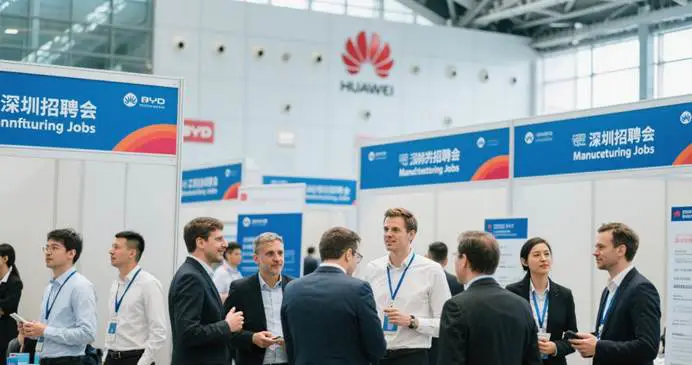
Securing the right role requires a strategic approach tailored to the Shenzhen market:
Leverage Specialized Platforms:
- LinkedIn: The primary professional network. Optimize your profile with keywords (“Manufacturing Engineer,” “Automation,” “Shenzhen,” “China Manufacturing,” “Foreign Engineer”), clearly state your visa status/requirements, and actively connect with recruiters and hiring managers in Shenzhen’s manufacturing sector. Join relevant groups (e.g., “Manufacturing Professionals in China,” “Shenzhen Expats”).
- eChinacities Jobs / Jobs in Shenzhen: Popular portals with dedicated sections for foreign professionals.
- Liepin/ Zhaopin/ 51job: Major Chinese platforms. While primarily in Chinese, many MNCs and larger Chinese firms post English-language roles for foreign engineers. Consider using a bilingual agent or translation tools.
- Company Career Pages: Target the career sites of specific companies you admire (Huawei, BYD, DJI, Foxconn, Siemens Shenzhen, Bosch Shenzhen, etc.).
- Specialized Recruitment Agencies: Reputable agencies like Michael Page, Robert Walters, Hays, and specialized engineering/technical recruiters (e.g., Morgan Philips, PSD) have strong Shenzhen practices focused on placing foreign engineers.
Craft a Winning Application (Resume/CV & Cover Letter):
- Tailor Ruthlessly: Match your skills explicitly to the specific job description. Highlight experiences directly relevant to manufacturing challenges and Shenzhen’s key industries (electronics, automation, EVs).
- Quantify Achievements: Use metrics to demonstrate impact (e.g., “Reduced production line downtime by 22%,” “Led team that increased yield by 15%,” “Implemented automation saving $500k annually”).
- Highlight Cross-Cultural & China Experience: Emphasize any previous work in China/Asia, language skills (even basic Mandarin is a plus), and experience collaborating in multicultural teams.
- Address Visa Status Clearly: State if you require visa sponsorship. Many employers are experienced in this process, but transparency is key.
- Professional Format: Ensure a clean, error-free document. A photo is standard practice in China.
Master the Interview Process:
- Technical Rigor: Expect deep technical interviews focusing on your specific engineering discipline, problem-solving skills, and hands-on experience with relevant tools and processes. Be prepared for practical tests or case studies.
- Cultural Fit: Demonstrate adaptability, willingness to learn, respect for Chinese business culture (hierarchy, relationship building – “Guanxi“), and a clear motivation for working in Shenzhen.
- Language: While many technical interviews in MNCs or international teams are conducted in English, learning basic Mandarin is highly advantageous for daily life and integration. Senior roles interacting closely with local teams may require stronger Mandarin skills.
- Virtual & Onsite: Initial rounds are often virtual. Be prepared for potential final rounds requiring travel to Shenzhen.
Networking is Key:
- Attend industry events, trade fairs (like the China Hi-Tech Fair in Shenzhen), and expat meetups.
- Connect with alumni networks from your university who work in Shenzhen.
- Engage professionally on LinkedIn.
Understanding Compensation, Benefits, and Living in Shenzhen
Competitive packages are offered to attract skilled foreign engineers:

Salary Ranges (USD – Gross Annual): Vary significantly based on experience, specialization, company size, and role.
- Mid-Level (5-8 yrs): $65,000 – $110,000+
- Senior/Managerial (8-15 yrs): $90,000 – $180,000+
- Director/VP Level (15+ yrs): $150,000 – $300,000+
- Highly specialized experts (e.g., niche semiconductor process) or those with exceptional track records can command significantly higher salaries.
Comprehensive Benefits Packages:
- Housing Allowance/Stipend: Very common, often a significant portion of the package (e.g., $1,500 – $4,000+ per month) to offset Shenzhen’s high rental costs in popular expat areas like Shekou or Futian.
- Relocation Assistance: Flight reimbursement, shipping allowance, temporary accommodation.
- International Health Insurance: Comprehensive coverage for employee and family, often including evacuation.
- Annual Flight Allowance: For trips back to home country (e.g., 1-2 round trips per year).
- Education Allowance: Crucial for those with children, contributing towards tuition at international schools (which are expensive in Shenzhen).
- Bonuses: Performance-based bonuses (often 1-3 months salary), sometimes profit-sharing.
- Paid Leave: Typically 15-25 days annual leave, plus Chinese public holidays.
- Other Perks: Company car/driver (senior roles), club memberships, language lessons.
Living in Shenzhen:
- Cost of Living: High, particularly for international-standard housing in central areas, international schooling, and imported goods. However, local food, transport, and services remain relatively affordable. Careful budgeting is needed.
- Vibrant & Modern: Shenzhen is a young, dynamic city with excellent infrastructure (world-class metro), extensive parks (like OCT-LOFT creative park), modern shopping malls, and diverse dining options. It’s generally cleaner and more organized than many other large Chinese cities.
- Expat Community: Well-established, particularly in Shekou, with numerous clubs, social groups, and international schools.
- Connectivity: Hong Kong is a short metro ride or drive away (though border crossings apply), offering a different cultural experience. Excellent international airport connections.
- Language: While English is spoken in business settings and expat areas, learning Mandarin significantly enhances daily life and integration.
Visa Essentials for Foreign Engineers (Z Visa & Work Permit)
Working legally is non-negotiable. The process is generally well-established for qualified professionals:
Work Permit: The employer must first apply for a Foreigner’s Work Permit on your behalf. This requires:
- Job offer and signed contract.
- Proof of qualifications (degree certificates, professional licenses – often requiring notarization and legalization/apostille in your home country).
- Clean criminal record certificate (also notarized/apostilled).
- Health examination (often conducted in China after arrival, but sometimes required beforehand).
- Relevant work experience proof.
- The employer must demonstrate a legitimate need to hire a foreigner over a local candidate.
Z (Work) Visa: Once the Work Permit Notice is issued, you apply for a Z Visa at the Chinese embassy/consulate in your home country using the Notice and other standard documents (passport, application form, photo).
Residence Permit: Within 30 days of entering China on the Z Visa, your employer assists you in converting this into a Residence Permit for Work, valid for 1-5 years, tied to your employment contract. This serves as your primary ID in China.
Key Considerations:
- Professional Certification: Some engineering roles, especially in regulated industries, may require validation of foreign credentials or specific Chinese certifications. Discuss this with your prospective employer.
- Dependents: Spouses and children can usually apply for accompanying Residence Permits (S1/S2 visa conversion). Spouses may be eligible for their own work permit under certain conditions.
- Process Duration: Allow 2-4 months for the entire process from job offer to obtaining the Residence Permit. Start document preparation early.
- Employer Responsibility: Legitimate employers handle the bulk of the process. Be wary of companies unwilling or unable to sponsor properly.
Success Stories: Foreign Engineers Shaping Shenzhen Manufacturing
- Maria K. (German, Automation Lead – Consumer Electronics): “Leading automation projects for a major smartphone manufacturer in Shenzhen has been intense but incredibly rewarding. The pace of adoption here is unmatched. We implemented a fully automated optical inspection line that reduced defects by 40% and became a benchmark for the global group. Navigating the cross-cultural technical teams was a challenge initially, but the results speak for themselves.”
- David L. (American, Senior Materials Scientist – EV Batteries): “The resources and focus on battery technology in Shenzhen, especially at companies like BYD, are phenomenal. My team’s research into next-generation solid-state electrolytes directly feeds into production roadmaps. The government grants supporting our research are substantial. Living in Shenzhen is surprisingly convenient, though mastering Mandarin remains my biggest personal project!”
- Arjun P. (Indian, Quality Director – Medical Devices): “Building a world-class QMS compliant with FDA, CE, and China NMPA regulations for a Shenzhen medtech startup was a massive undertaking. My prior experience in the US and EU was critical. Finding the right blend of international standards and local manufacturing realities was key. Seeing our products now used in hospitals globally, manufactured right here in Shenzhen, is immensely satisfying.”
Challenges and Considerations: A Realistic Perspective
While opportunities abound, acknowledge the realities:
Cultural Adjustment: Adapting to Chinese work culture (hierarchy, communication styles, “saving face,” decision-making processes) and daily life takes time, patience, and openness. Culture shock is real.
Language Barrier: While English suffices in many workplaces, daily life outside expat bubbles requires Mandarin. Commitment to learning the language significantly improves the experience and integration.
Pollution & Congestion: Shenzhen has relatively good air quality for a major Chinese city but still experiences pollution days. Traffic can be heavy, though the metro system is excellent.
Work-Life Balance: Manufacturing, especially during critical production cycles or project deadlines, can demand long hours. Company culture varies, but the pace is generally fast.
Bureaucracy: Navigating administrative tasks (banking, permits, etc.) can sometimes be complex and time-consuming.
Internet Access: The “Great Firewall” restricts access to common Western sites (Google, Facebook, WhatsApp, many news outlets). A reliable VPN is an essential tool for most expats, though its use exists in a legal grey area.
The Future of Foreign Engineers in Shenzhen Manufacturing
The outlook remains exceptionally strong:
Continued Technological Upgrading: China’s “Made in China 2025” strategy and Shenzhen’s own ambitious plans guarantee sustained investment in high-tech manufacturing, ensuring demand for specialized foreign engineers.
Focus on Self-Reliance (“Dual Circulation”): China’s drive for technological self-sufficiency, particularly in semiconductors and core industrial technologies, will intensify the need for global expertise to achieve breakthroughs, creating more high-level R&D roles.
Sustainability & Green Manufacturing: Massive investments in EVs, renewable energy, and sustainable production processes will drive demand for foreign engineers with expertise in green tech, energy efficiency, and circular economy principles within manufacturing.
Integration of AI & Big Data: Shenzhen aims to lead in AI-powered manufacturing. Expertise in applying AI/ML to production optimization, predictive maintenance, and quality control will be highly sought after.
GBA Synergy: The deepening integration within the Greater Bay Area will create even more fluid opportunities for foreign engineers to work on cross-border projects and leverage resources across Hong Kong, Macau, and other Guangdong cities.
Conclusion: Your Manufacturing Career Catalyst Awaits in Shenzhen
Shenzhen represents one of the most dynamic and opportunity-rich environments on the planet for foreign engineers passionate about manufacturing innovation. The scale of its industrial base, the intensity of its drive for technological leadership, and the sheer volume of manufacturing recruitment activity create a unique career accelerator. While challenges exist, the professional rewards – working at the bleeding edge of production technology, contributing to globally significant products, commanding competitive compensation, and experiencing a fascinating cultural environment – are immense.
For ambitious foreign engineers seeking to make a tangible impact on the future of how things are made, Shenzhen’s factories, R&D labs, and innovation hubs are calling. The city’s relentless energy and commitment to manufacturing excellence offer an unparalleled platform to advance your career, broaden your horizons, and be part of shaping the next industrial revolution.
Ready to Explore Shenzhen Manufacturing Recruitment Opportunities?
Optimize Your LinkedIn Profile: Ensure it highlights your manufacturing engineering expertise, experience with relevant technologies, and openness to roles in China/Shenzhen. Use keywords!
Research Target Companies: Identify key players in your specific engineering niche within Shenzhen (Electronics, EV, Robotics, Medical Devices, etc.).
Connect with Specialized Recruiters: Reach out to reputable recruitment agencies focusing on engineering placements in China.
Start Document Preparation: If seriously considering a move, begin gathering documents (degree certificates, reference letters) that may need notarization/apostille later.
Consider Basic Mandarin: Start learning – even foundational skills demonstrate commitment and ease your transition.
The manufacturing recruitment gates of Shenzhen are open. Seize the opportunity to engineer your future at the epicenter of global production innovation.
FAQ: Foreign Engineers in Shenzhen Manufacturing Recruitment
Q: Do I need to be fluent in Mandarin to get a manufacturing engineering job in Shenzhen?
- A: Fluency is not always required, especially in MNCs, large Chinese firms with international focus, or R&D roles where English is the working language. However, basic conversational Mandarin is highly recommended for daily life and shows cultural commitment. Senior roles involving extensive local team management often require stronger Mandarin.
Q: What is the typical contract length?
- A: Initial contracts are commonly 2-3 years, often renewable. This aligns with standard Residence Permit durations.
Q: Are there opportunities for engineers without a PhD, but with significant industry experience?
- A: Absolutely. While R&D roles may favor PhDs, roles focused on production, process engineering, automation implementation, quality management, and project management highly value deep, hands-on industry experience, often over a pure academic pedigree. Demonstrable results are key.
Q: How does the cost of living in Shenzhen compare to salaries?
- A: Salaries for foreign engineers are generally high enough to afford a comfortable expat lifestyle if the housing allowance/package is adequate. Key expenses are international-standard housing and schooling. Without significant housing support, saving potential can be impacted. Local goods and transport are relatively affordable.
Q: Is it safe for foreign engineers and their families in Shenzhen?
- A: Shenzhen is generally considered one of China’s safest major cities. Petty crime exists but violent crime against foreigners is rare. Normal urban precautions apply. Healthcare facilities catering to expats are good.
Q: Can my spouse work in Shenzhen?
- A: Yes, it’s increasingly possible. Spouses holding a valid Dependent Residence Permit can apply for their own Work Permit, subject to meeting the standard qualifications and finding an employer willing to sponsor them. The process is similar but independent of your own sponsorship.
Q: What’s the biggest cultural difference in the workplace?
- A: Communication style (more indirect, emphasis on harmony/”saving face”), hierarchical structure (respect for seniority), and the importance of building relationships (“Guanxi”) outside of pure work tasks are often cited as key differences requiring adaptation. Decision-making can sometimes be more top-down.