
If you’re a visual designer scanning for web designer jobs beyond your home country, China’s DTC ecommerce scene is worth a serious look. This isn’t a massive, everyone’s-doing-it career track like software engineering or teaching English. The number of openings is smaller. But that also means fewer people are chasing them, and for someone with an eye for Western aesthetics, the leverage is real. This guide walks through why these roles exist, what skills you need, what the day-to-day looks like, how much you can earn, and how to break in.
Why These Web Designer Jobs Exist
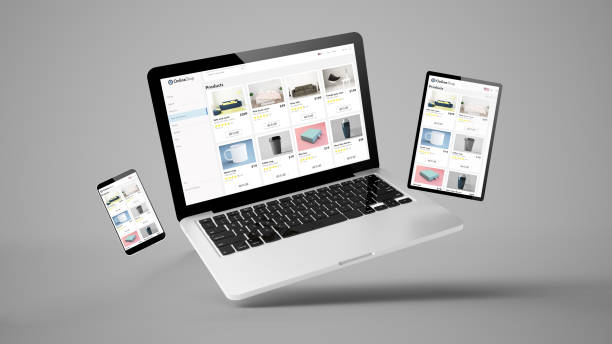
You’ve probably noticed that Chinese brands are everywhere online. Shein and Temu grab headlines, but behind them are thousands of smaller direct-to-consumer companies building Shopify stores aimed squarely at US and European shoppers. A few years ago, these brands competed on price alone. Today, they’re competing on brand perception. That shift is what created this little pocket of demand.
A clothing startup in Shenzhen can source fabric and manufacture faster than anyone. What it can’t do internally is make its website feel like a native Brooklyn-based label. The spacing, the font choices, the kind of hero image that signals “premium casual” rather than “discount warehouse” — those are cultural instincts, not technical skills. Local designers are talented, but they grew up with Taobao and JD.com, where crowded layouts and bright red sale badges are normal. To a Western shopper, that visual language reads as cheap. So brands hire foreign designers to bridge the gap.
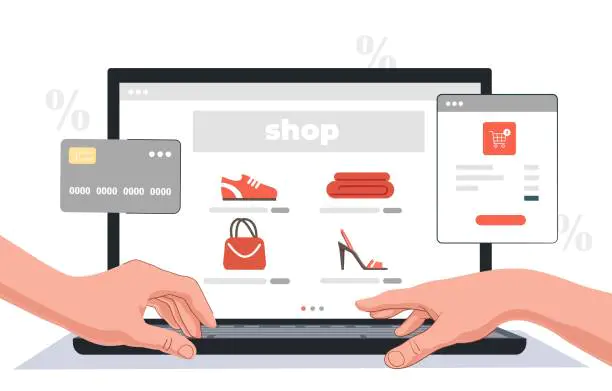
Ecommerce website design for these brands isn’t about making things look pretty. It’s about building visual trust in under three seconds. If a visitor lands on a site and the typography feels off, they bounce. The job is to stop that from happening.
However, this is not a gold rush. The number of companies actively hiring foreign designers is still modest compared to IT or education. But because few foreign designers know this lane exists, the competition is lighter. Among visual designer jobs that offer a genuine cultural premium, these are some of the least talked-about — and that’s exactly why they’re worth understanding.
Skills You Need to be the Web Visual Designer
You don’t need to speak Chinese. You don’t need to understand Chinese consumer behavior. What you do need is a tight set of professional skills that let you walk into a team and deliver immediately.
Design Fundamentals
Typography, color theory, composition, and brand system thinking. If you can’t pair fonts or build a consistent color palette without guidance, you’ll struggle. Your portfolio needs to show real-world visual design work, not student projects. Chinese employers value execution over concept. They want to see finished product pages, not mood boards.
Platform Knowledge
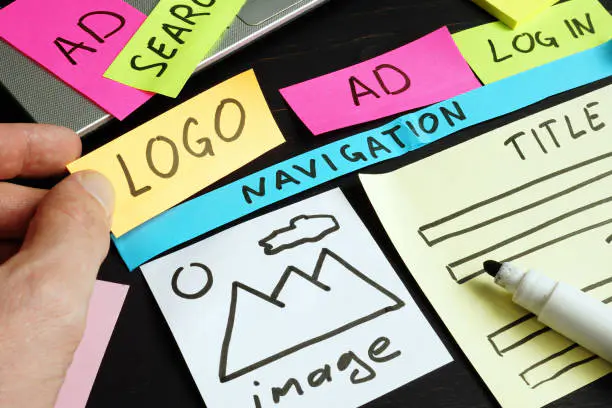
This is non-negotiable. Shopify runs roughly 90% of the DTC brands you’ll work with. You don’t need to be a developer, but you must understand the theme structure, the page builder, and the limitations of the platform. A lot of ecommerce web design work boils down to knowing what Shopify can and can’t do out of the box. WordPress plus WooCommerce shows up often enough that being able to configure themes and plugins is a strong plus. Figma is the industry standard for collaboration, and every cross-border team I’ve seen uses it. If you can’t work fast in Figma, you’ll slow everyone down.
These tools exist for one reason: so, you can jump into ecommerce site design on day one rather than spending two weeks learning the stack. Employers expect that fluency.
Basic Ecommerce Knowledge
This is what separates a decorator from a designer. You need to understand conversion thinking — where a CTA belongs, why a mobile product page shouldn’t scroll forever, how image load time affects bounce rates. A good web designer job is never just about making things look nice. It’s about moving a visitor toward a purchase.
You should also know the basic vocabulary. Terms like AOV, CTR, SKU, and landing page come up in meetings. You won’t be asked to calculate them, but you need to follow the conversation. The direction of web design jobs in cross-border ecommerce is clear: pure visual roles are losing ground to designers who can talk about data. The more you understand the business side, the harder you are to replace.
What the day-to-day looks like
You’ll build brand identities from scratch — logo, color system, font pairings, brand guide. Many visual designer jobs begin and end with this foundational work. Then comes site design: a Shopify homepage, product detail page, collection page, landing pages.

Mobile comes first. You’ll iterate based on conversion data and seasonal promotions. Effective ecommerce website design is a living process. On top of that, there’s the ongoing content grind. Facebook and TikTok ads need fresh visuals every week. Email templates get redesigned for holiday sales. Amazon A+ content needs lifestyle images.
A standard web designer job includes this steady stream of smaller assets. Collaboration happens on Feishu or WeCom instead of Slack, with feedback in Figma. It’s direct — “this looks too plain” — but once you adjust, it’s efficient.
Salary and Demand
The pay is solid, especially compared to local design salaries in most Western countries.
Full-time roles in Shenzhen or Hangzhou typically range from 20,000 to 40,000 RMB per month. That’s roughly 800 to 5,600 at current exchange rates. Senior designers with a strong DTC portfolio can push higher. When you look at web designing jobs salary data across general design roles in China, these DTC-focused positions sit at the upper end because the employer is explicitly paying for your cultural knowledge.
Freelance rates vary. A standalone Shopify homepage design might run 700 to 2,100 depending on complexity. Hourly rates for experienced designers fall between 20 and 50. Your web design job salary as a freelancer depends almost entirely on your portfolio. Brands want to see relevant ecommerce work before they commit.
Why do they pay a premium? Because the visual output directly affects revenue. If a store’s bounce rate drops after a redesign, the client sees the return immediately. That makes them far less price-sensitive than a local agency hiring for generic graphic design.
Getting Started and Growing
Breaking in doesn’t require a complex strategy. You need the right portfolio, the right search channels, and some basic precautions.
Build a portfolio for DTC. Curate your work to show brand identity projects, Shopify page designs, and ad creatives. Even if you have to do a couple of spec projects for imaginary brands, make them look real. Position yourself as a visual designer who understands conversion, not an artist. The most compelling portfolios answer one question: “Can this person make my store feel trustworthy to a Western shopper?”
Look in the right places. The usual global job boards can work, but the most targeted listings are on platforms that connect foreign talent with Chinese employers. Start with web designer jobs on HiredChina, which regularly lists design roles from cross-border ecommerce companies. On LinkedIn, search for “DTC designer China” or “Shopify designer Shenzhen.” On Behance and Dribbble, update your profile to mention “ecommerce brand design for DTC brands” so recruiters can find you.
Lock down your contracts. Always use a bilingual agreement that specifies project scope, revision rounds, payment milestones, and copyright transfer terms. Chinese clients sometimes assume full ownership of source files by default — clarify this upfront. In-house roles should include a standard labor contract that covers social insurance if you’re on a work permit. Feedback will be direct, but that’s not personal — it’s just how things get done quickly.
Think beyond the first job. The natural progression is junior designer to brand lead to creative director. Along the way, you’ll build relationships with brand owners. After a few years, some designers spin off into their own ecommerce website design agency, serving multiple DTC clients on retainer. The demand isn’t going away. As cross-border competition intensifies, more brands will need to look native. Stay ahead by tracking latest ecommerce design trends and continuously updating your skills.
Conclusion
These web designer jobs aren’t for everyone. The market is real but modest, and you’ll need to handle direct feedback and a learning curve on Chinese collaboration tools. But if you’ve already built a few years of visual design experience and you’re curious about working across borders, this is a door that few people have noticed. Pick up Shopify, put together a portfolio that speaks DTC, and send out a few applications. The roles exist, the pay is fair, and the competition is still thin. That’s as good a starting position as any designer could ask for.