
Every food culture has that stuff people get hyped about. In China, a Chinese delicacy isn’t about punching you in the face with flavor. Not always. Sometimes it’s texture. Sometimes it’s tradition. Sometimes it’s just the story.
Chinese gourmet culture? Yeah, they put sea cucumber, fish maw, bird’s nest, and matsutake right up there with truffles and caviar. We go through nine of these Chinese delicacies. From the sea. From the land. From the sky. You will also find out how people cook them, what they actually taste like, and why anyone would drop that much cash.
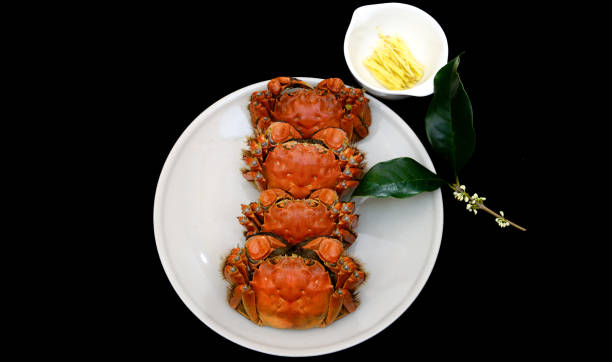
Delicacies from the Sea
At a traditional Chinese banquet, seafood rules. The best sea stuff isn’t the loudest. People pay for texture. Chinese gourmet thinks texture is just as big as taste.
Sea Cucumber
Sea cucumbers live on ocean floors everywhere. About 40 kinds are edible. China eats more than anyone. Classic way? Braised with scallions in soy sauce. Buy them dried? Plan on days of soaking before they even see a pan. That work is why they cost so much.
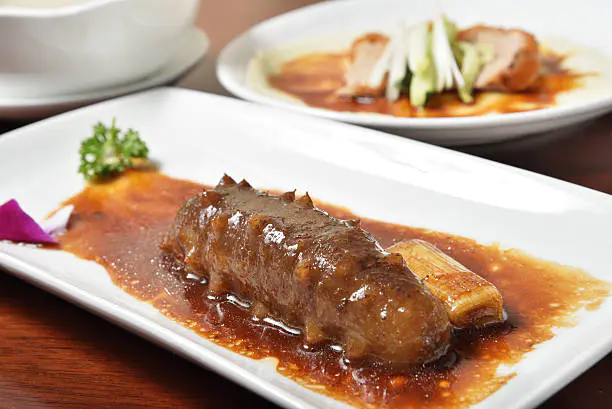
Taste? Barely anything. Seriously. What you pay for is the feel. Soft. Gelatinous. Somewhere between tender squid and firm jelly. In Chinese delicacy food culture, that mouthfeel has its own words.
Sea cucumber has been banquet king for centuries. Serve it, and your guests know you went all out. People also think it is good for skin and joints. Collagen, you know.
Abalone
Abalone is a big sea snail. One shell. A muscular foot. You will see it braised in oyster sauce. Or slow-cooked for days as dried abalone. Or just steamed with ginger and soy. Dried costs more. The drying locks in flavor.
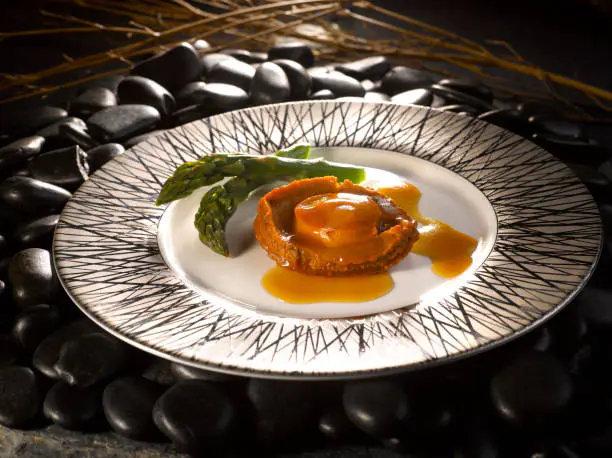
The taste? Sweet and light. Firm chew. Somewhere between scallop and octopus. Unlike sea cucumber, abalone actually tastes like something. Works with lots of sauces. In Chinese delicacy culture, abalone is one of the four treasures. Put it on a wedding table. Everyone gets the message.
Fish Maw
Fish maw is the dried swim bladder of a big fish. The thing that helps it float. Not something most people outside Asia have seen on a menu. Soak it for hours. Or days. Then simmer in chicken broth, seafood soup, or sweetened milk as dessert.
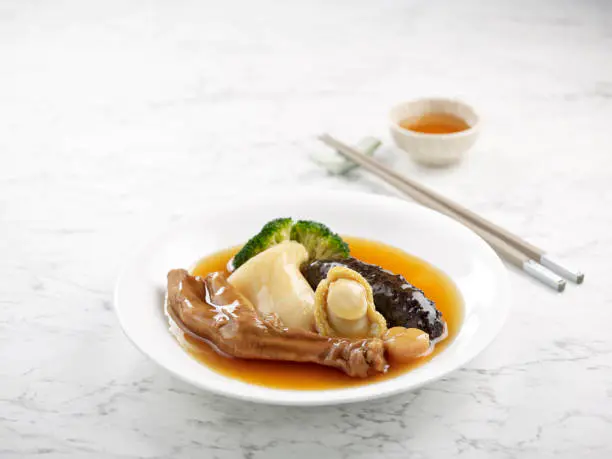
No flavor. Zero. Whatever it cooks in, it soaks up. You eat it for the texture. Soft. Bouncy. Slippery. Gelatinous. Think of it as a broth vehicle. Fish maw is a go-to gift for Chinese New Year and weddings. People say it is good for skin and joints. The price tag also does some talking.
Chinese Gourmet: From the Land
Land Chinese delicacies come from mountains and forests. Lots of them have earthy smells that a Western palate can get into. Serious Eats’ guide to gourmet Chinese food shows how regional cooking shapes the way people use these ingredients.
Matsutake Mushroom
Matsutake grows in pine forests. You cannot farm it. So it is rare and expensive. Best ones come from Yunnan and the Tibetan Plateau. Cooking is simple. Grill with a little salt. Drop into clear broth. Light fry in butter. Point is to leave the mushroom’s smell alone.
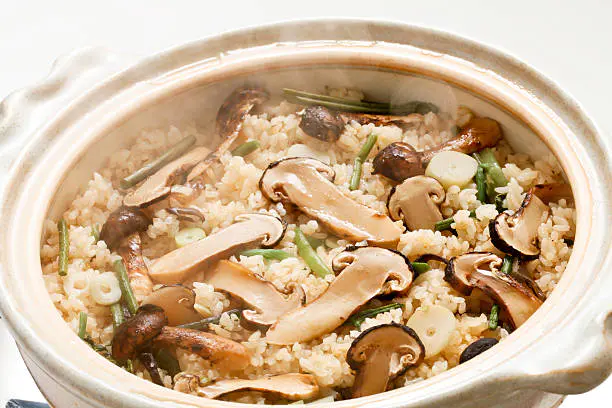
That smell is something. Pine needles. Cedar. Damp earth. A little cinnamon. Flavor is nutty and earthy, with a deep umami kick. Want to get a friend into Chinese delicacies? Start here. In both China and Japan, people treat matsutake like a big deal. Symbol of autumn. Best ones go for stupid prices.
Cordyceps
Cordyceps is a fungus that grows on caterpillar larvae. High grasslands of Tibet and Qinghai. The look alone stops people. A thin brown stalk poking out of a dried insect body. You do not eat it straight. Goes into chicken soup. Or steeped as tea.
Taste is mild and earthy. A faint mushroom note. Nobody eats cordyceps for the flavor. What drives the price is what people believe it does. Energy. Lung function. Immunity. Over the past few decades, price shot up. Now one of the most expensive natural ingredients on the planet.
Truffle
Chinese black truffles come from Yunnan and Sichuan. For years, they got quietly exported to Europe. Nobody paid attention at home. That is changing fast. Now you see them sliced over steamed egg custard. Or worked into sauces. Check any Chinese gourmet menu these days.
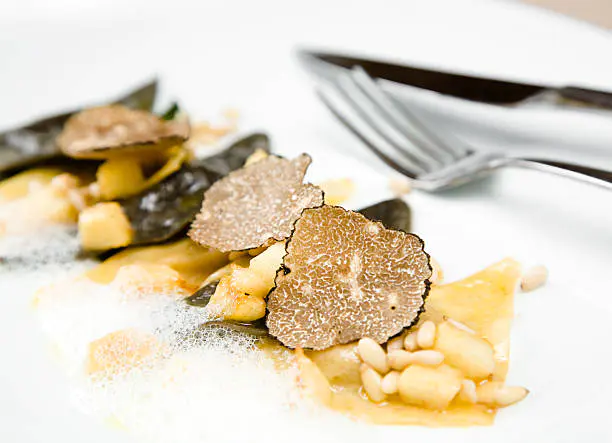
Smell is musky and earthy, with a little garlic. Taste is strong umami that stays with you. Chinese truffles are milder than French or Italian ones. Same DNA though. Truffles sit right between two food cultures. European chefs have loved them for centuries. Chinese chefs are now rediscovering a local ingredient.
Chinese Delicacy From the Sky
The most talked-about Chinese delicacies often come from the air. Or high places. These are the ones that surprise first-timers the most.
Bird’s Nest
Bird’s nest is exactly what it sounds like. A nest built by swiftlets from their own hardened saliva. Most nests get collected from caves and cliff faces in Southeast Asia. Harvesters on bamboo scaffolding that looks pretty sketchy.
Getting a nest ready takes work. Soak it. Pick out feathers and debris. Double-boil with rock sugar into a clear, lightly sweet soup. Texture is soft and slippery. Like fine vermicelli crossed with a delicate jelly. Taste is barely there. Just faint sweetness and a slight egg-white note.
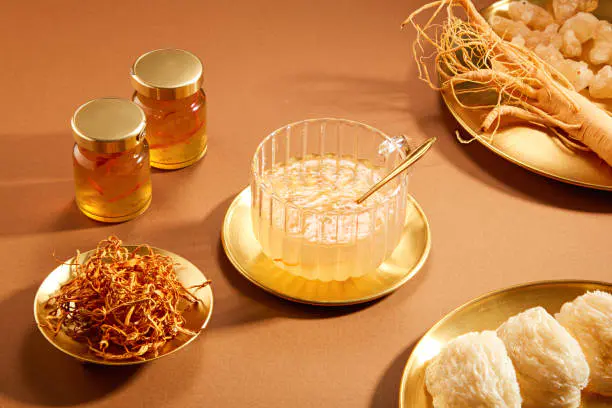
Bird’s nest has been around since the Tang Dynasty. A kilogram of top-grade nests can run several thousand dollars. Traditional belief says it nourishes the lungs and improves skin. People serve it to show deep care. See it on a delicacy Chinese bistro menu? That dish has serious history.
Snow Frog
Snow frog is the dried fallopian tube of the Asiatic grass frog. Harvested in northeastern China. Yeah, weird name. But the ingredient itself is mild. After soaking, it turns into translucent, jelly-like pieces. Soft. Slippery.
Classic way is sweet. Double-boiled with rock sugar and red dates or papaya. You get a gentle dessert soup. The snow frog adds body and a light bounce. Not flavor.
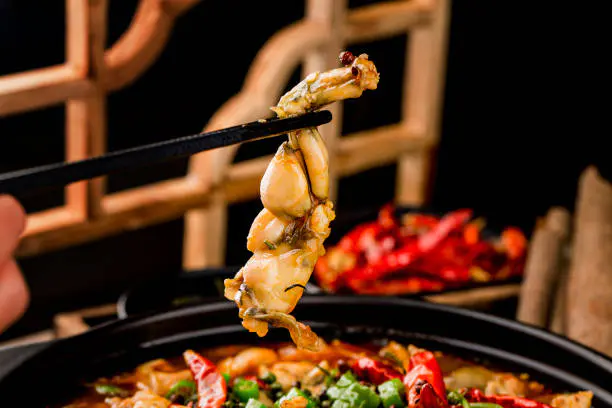
Culturally, snow frog sits in the same beauty-and-health bucket as bird’s nest. People think it benefits skin and breathing. In a traditional dessert, it signals refinement. Lots of asian delicacies Chinese restaurant menus include it as a premium item.
Honeycomb
Wild honeycomb is eaten in Yunnan and other parts of southern China. Especially among ethnic minority groups who have been hunting wild honey for generations. The method is direct. Chew a chunk of comb to release the honey. Spit out the wax.
Flavor depends on what flowers the bees were eating. Pure, floral sweetness. Wax is chewy but flavorless. This is one of the older, simpler forms of Chinese delicacy. From long before imperial banquets and fancy restaurants.
Why Texture Matters
By now, you probably see a pattern. Sea cucumber. Fish maw. Bird’s nest. Snow frog. All expensive. All highly valued. None of them pack a strong flavor. So why?
In Chinese gourmet culture, mouthfeel is its own category of pleasure. Right up there with taste. The language tells you. English has “crunchy” and “creamy.” Chinese has a whole dictionary of texture words. You can call a dish excellent just based on how it feels. Even if the flavor is subtle. That is why braised sea cucumber costs what it does. Not for the taste. For the sensation. And for the hours of prep.
There is also a wellness thing. Gelatinous, collagen-rich ingredients are supposed to be good for skin, joints, and lungs. Does science back that up? Maybe not entirely. But the belief has shaped centuries of cooking. Eater’s food culture coverage talks about this.
More Than Food
These nine ingredients carry weight beyond the plate. A banquet table with sea cucumber, abalone, and fish maw? That says something about the host’s respect. A mother simmering bird’s nest for her daughter? That is saying something words cannot quite catch. A box of dried cordyceps gifted during Chinese New Year? Wishes for health and long life.
That is what separates Chinese gourmet from just eating expensive things. The value is not only in the eating. It is in the giving. The serving. The stories. When you spot bird’s nest on a delicacy Chinese menu, you are looking at a tradition that has been simmering for over a thousand years.
Conclusion
Sea cucumber’s soft, gelatinous bite. Matsutake’s pine-needle smell. Bird’s nest’s silky strands. Cordyceps’s earthy warmth. China’s most prized Chinese delicacies feed the body, mark occasions, and carry stories. Every culture defines good food in its own way. In China, that definition has always included texture, wellness, and a sense of occasion. Next time you open a Chinese gourmet menu, you will see more than dish names. You will see a world that has been cooking for a very long time.