
Chinese game companies keep pushing deeper into overseas markets. Genshin Impact. Black Myth: Wukong. PUBG Mobile. Behind every one of those titles is a team of artists, programmers, and designers. But there is one role that rarely gets talked about, and it has a real shortage right now: the sound designer. Not the composer writing melodies. Not the audio programmer hooking up systems. The person who builds the UI clicks, the combat impacts, the environmental ambience, and the Foley.
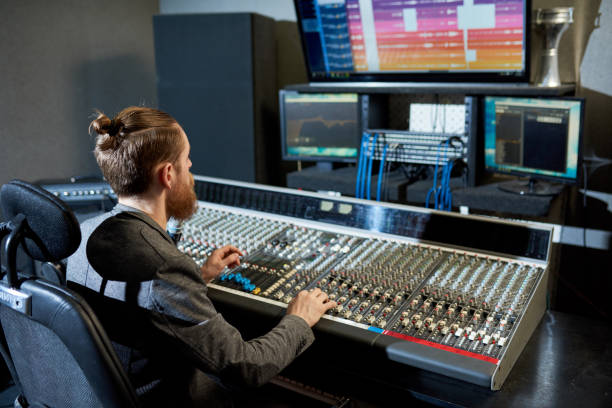
If you already do this work, there is a gap in China that fits your skillset. This guide covers why the gap exists, what studios expect from a sound designer, and how to land your first gig. It draws on industry frameworks like Aaron Marks’ The Complete Guide to Game Audio to break down what this role actually demands.
Why the Gap Exists
Overseas Projects Need Western Ears
The same combat sound effect lands differently depending on where you grew up playing games. Chinese players are used to impacts that are bright, high-frequency, and densely layered. Western players expect something heavier in the low-mids, more singular, with more weight. Neither is right or wrong. It is just years of different gaming habits baked into perception.
When a Chinese studio builds a title for North America or Europe, the art team can handle the visuals. The programmers can handle the tech. But someone needs to sit in a review and say, “That hit doesn’t feel right for a Western player.” That someone is usually not in the room. This is why studios look overseas for a sound designer. They are not shopping for cheaper labor. They are shopping for ears that match their target market.
As Aaron Marks explains in The Complete Guide to Game Audio, cultural expectations around sound are deeply embedded and rarely discussed in job postings—yet they make or break a player’s sense of immersion. For Chinese studios going global, that mismatch gets amplified fast.
Few Game Sound Specialists
Chinese music conservatories and media schools turn out plenty of audio graduates every year. Almost all of them train in music production, recording, or mixing. Their ambition is to become a video game music composer—someone who writes the score. Very few aim for sound design.
Game sound requires a cross-disciplinary stack: synthesis, sample library management, middleware like Wwise or FMOD, engine integration in Unreal or Unity, performance budgeting, and the ability to communicate with programmers and designers. Finding one person with all of these skills is hard in any country. In China, the pipeline from schools to studios barely exists for this specific role.
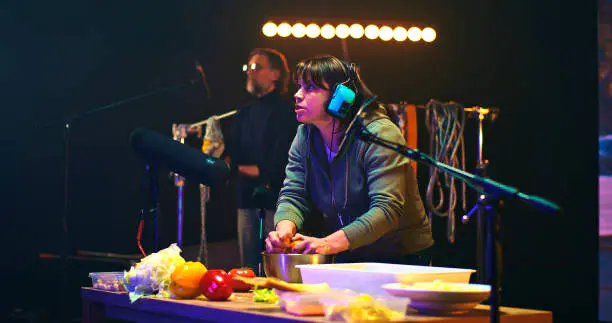
This is where game audio jobs diverge sharply from music jobs. A studio might receive fifty applicants for a composer role. For a dedicated sound designer, they might get five. Some projects give up and hire a composer who does sound effects on the side. But the result is usually mediocre. Being a composer for video games and being a sound designer are different disciplines, and treating them as interchangeable shows in the final product.
Small Headcount, Smaller Competition
A single overseas-bound project might hire dozens of programmers and artists. It might hire one or two sound designers. The absolute number of positions is modest. But the number of foreign audio professionals who know these roles exist is even smaller.
For a qualified sound designer looking at sound design jobs, this is a narrow door that opens into a wide room. Less noise, less competition, more leverage. The studios that need you are actively looking. They just are not finding many people.
What the Role Actually Involves
If you are evaluating sound design jobs in China’s game industry, you need to know what the role covers day to day. It is not the same as being a video game music composer. The two roles sit in different departments on larger projects.
UI Sounds
Every button press, menu pop-up, item pickup, and level-up notification needs a sound. These effects are short, clear, and distinct. They must stay pleasant after hundreds of repetitions. The technical challenge is not making one good UI sound. It is making fifty of them that feel like a cohesive family across volume, frequency, and style. This is bread-and-butter work for a sound designer on any project.
Combat and Ability Effects
Sword swings. Explosions. Magic charging up. Healing spells. Damage taken. Character death. These sounds define how the player feels the action. Most are not recordings. A fireball might be four layers: a low-frequency rumble, a midrange crackle, a high-frequency hiss, and a transient punch at the front. Building these from sample libraries and synths is a core skill, and it is one area where sound design with ai tools are starting to appear. Some studios use AI to generate rough first passes, but a human still needs to shape the result to fit the scene.
Environments and Foley
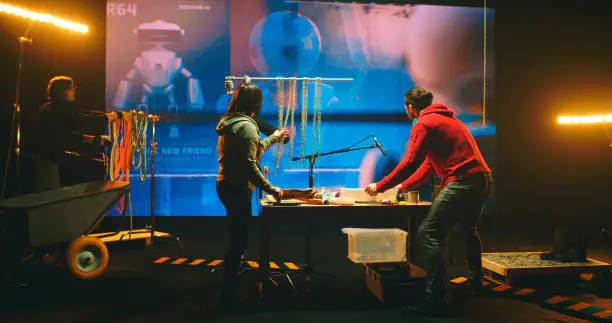
Forests, caves, cities, underwater zones. Each space needs a background soundscape. Foley covers the character movement sounds: footsteps, cloth rustle, weapon clinks. These are often recorded with props in a studio or pulled from commercial libraries. For anyone wanting to go deeper, Inside Game Sound Design offers a practical look at how professionals approach these tasks across different project scales.
Understanding these three categories matters because studios are not hiring someone to do one of them well. They want a sound designer who can handle all of them. A candidate who only has combat effects in their reel but no UI or environment work will struggle to pass the first screening. The best sound design opportunities go to people whose portfolios show range across the full pipeline.
What Studios Expect from a Sound Designer
Ownership of the Entire Sound Pipeline
Studios are not hiring someone to make a few cool effects. They want a sound designer who can own the entire audio pipeline for a project. That means UI, combat, environment, Foley—all of it. It means building event structures in Wwise or FMOD, integrating assets into Unreal or Unity, and debugging performance issues when something tanks the frame budget. A candidate who can only work inside a DAW and has never touched middleware is not ready for these roles.
Full Project Cycle Experience
The thing studios care about most is whether you have shipped a game before. Not just made assets for one. Shipped it. Gone through pre-production, alpha, beta, gold master. A sound designer who understands what audio deliverables look like at each milestone is worth far more than one with a great reel but no project experience.
Many local candidates stall at the middleware and engine stage. Their sounds are solid, but they cannot integrate them. Foreign sound designers who have already worked through a full cycle have a clear edge here. This is not about nationality. It is about experience with a pipeline that many Chinese studios are still building.
Cross-Discipline Communication
You talk to designers about what an ability should feel like. You talk to programmers about memory budgets and event hooks. You talk to artists about the visual tone of a scene so your ambience matches. All three groups use different language. The audio person translates.
Feedback is direct. “Too noisy.” “No impact.” “The hit feels weak.” It is not rude. There is just no time to package it gently. Some studios have bilingual producers who smooth communication. Others expect you to pick up basic terms like “too sharp,” “add a drum,” or “swap it.” Mandarin is not required, but it helps.
Finding someone who can do both—the technical execution and the cross-team communication—is part of why sound design opportunities in China remain open longer than they should. Studios are not holding out for a unicorn. They just cannot find enough people who check both boxes.
Salary and Career Path
Full-Time Pay
A junior sound designer with one to three years of experience can expect 10,000 to 18,000 RMB per month. Mid-level, three to five years in, someone who can run a project’s audio pipeline independently, earns 18,000 to 30,000 RMB. Senior sound designers and audio leads who set standards and manage outsourcing fall in the 30,000 to 50,000 range.
Salaries for sound designers generally run slightly higher than for a video game music composer at the same level. The demand is more rigid and the supply is thinner. Studios can find composers. They struggle to find dedicated sound designers.
Freelance and Outsourcing
Sound effect packages are typically quoted by the set. A UI pack of fifty to one hundred files runs 3,000 to 10,000 RMB. A full combat sound package might go for 5,000 to 20,000 RMB. Smaller studios are often open to remote collaboration, which creates sound design opportunities for foreign sound designers who are not ready to relocate. These projects rarely appear on global job boards. They circulate through studio networks and audio communities.
Career Trajectory
Step one is getting your name into the credits of a shipped game. Step two is becoming the lead sound designer who manages outsourcing and defines the audio pipeline for a project. Step three is either returning to a Western AAA studio to run a team or building your own audio outsourcing studio in China.
Each step compounds on real experience in sound design jobs that shipped products. Compared to the video game music composer jobs market, the progression for sound designers is often faster because there are simply fewer people competing for senior slots. Where a composer might wait years for a lead position to open up, a skilled sound designer with shipped titles can move up within two to three project cycles.
How to Land the First Gig
Studios want to see complete sound design cases, not isolated cool sounds. Include at least three pieces: one UI sound set, one combat effect package, and one environmental soundscape. For each, note the tools used, the design thinking, and how the assets were integrated into middleware. A reel that shows the workflow from DAW to Wwise to in-engine result carries far more weight than a dozen standalone audio files.
Where to Look
Most game audio jobs with Chinese studios appear on HiredChina, LinkedIn, ArtStation, and game audio Discord servers. But the real market is semi-hidden. Many roles get filled through personal referrals before they ever appear on a job board. Game jams, developer meetups, and official Wwise or FMOD events are where those relationships start. For more on breaking into the industry, Inside Game Sound Design covers strategies that apply across markets, including how to network into roles that never get posted publicly.
Tests and Interviews
Expect a test. You will get a short gameplay clip and be asked to design the full soundscape. Studios evaluate whether the sounds fit the scene, whether the asset management is clean, and whether the performance budget is reasonable. In interviews, expect questions about memory management, distance attenuation curves, and version control. The weight of these questions is at least equal to “what DAW do you use.”
Conclusion
A sound designer is one of the most underrated roles in China’s game industry right now. The gap is real. Overseas-bound projects need ears that match their target markets, and the local supply of dedicated game sound specialists is thin. The market is not huge, but the competition is even smaller.
If you already do sound design, you do not need to learn a new trade. You need a portfolio structured for game studios and a few connections in the right places. The sound design jobs are there. Most people just have not noticed them yet.