
If you’re bringing a pet to China or thinking about getting one after you land, you’ve probably already seen the clips. Dogs in strollers. Cats in little backpacks. Birthday parties with cakes that cost more than a dinner out. These things are real. People in big cities really do treat their animals like children. But that’s only one slice of owning pets in China. Rules flip from one neighborhood to the next. Your landlord might smile at the viewing and then write “no animals” into the contract. The park down the street could have a small sign banning dogs that nobody mentioned.
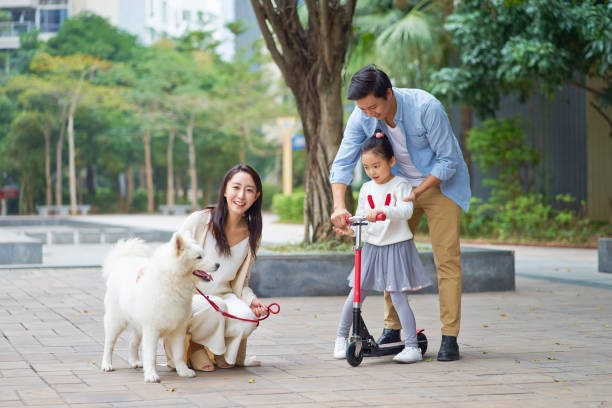
This guide is about how things actually work here. Dogs, cats, a handful of other animals people keep, and what you should know if you’re bringing one over.
The Shift in Chinese Pet Culture
Not that long ago, pet food wasn’t really a thing in China. Dogs lived outside and guarded the house. Cats roamed around catching mice. A dog on the furniture or a cat in clothes would have seemed strange to most people.
That picture has changed completely, at least in the cities. Walk through Shanghai, Beijing, Chengdu, or Hangzhou, and you’ll see Golden Retrievers, French Bulldogs tucked into sling bags, Corgis rolling along in strollers. Young folks call their pets “fur children”—that’s a straight translation from Mandarin. And they spend real money. Fancy food, regular grooming trips, health insurance, even funeral services. Chinese pets live well now.
What happened? People moved into cities. More of them live alone. Couples delay marriage or don’t bother with it at all. Kids cost a fortune. A dog or a cat fills that gap. Most owners are in their twenties and thirties, often women, and they treat their animals like family. The whole shift took maybe fifteen or twenty years. Smaller towns and older generations still hold the older view—dogs for guarding, cats for pest control. Both ways of thinking exist at the same time.
Owning a Dog in China
Dogs in China are everywhere in city neighborhoods now. Goldens, Labs, Poodles, Frenchies, Corgis, Shibas—these are the ones you’ll pass on the sidewalk every day. Huskies and Samoyeds show up a lot too, though having a big dog in an apartment brings its own problems.
Rules for dogs in China depend entirely on where you live. Most cities want you to register, get a yearly rabies shot, and keep the dog on a leash outside. Large breeds get banned in a lot of urban areas, but each city defines “large” differently. Beijing enforces a strict one-dog-per-household rule. Shanghai is more relaxed. Shenzhen became the first city on the mainland to outlaw eating cats and dogs—that should tell you something about where official thinking is going.

Leash laws are on the books, but you’ll see people ignore them. Some neighborhoods care. Others don’t. Two streets in the same district can have different unwritten rules depending on who’s watching.
Public spaces are where owning a dog gets tricky. Most restaurants, shopping malls, and all subway stations will turn your dog away. Parks often have no-dog signs up. Pet-friendly cafes are spreading, especially in Shanghai, but they’re still not the norm. Your apartment elevator is where you’ll do your real social negotiating. Older neighbors might be scared of your dog. Younger ones might be fed up with barking. You pick up on the cues pretty fast.
Foreigners often bring up dog meat. Yes, it still happens, but it’s regional and generational. Mostly limited to a few areas and mostly among older folks. In any major city, people under forty will react to the topic the same way you would. Consumption has dropped fast over the past decade. If you run into a situation that makes you uncomfortable, just leave. The trend is moving one direction, and plenty of younger Chinese are pushing hard for it to move faster.
Owning a Cat in China
Cats in China have quietly become the go-to city pet, especially for renters and anyone working long hours. No walks required. Not much space needed. They handle being alone just fine. For someone in a shared flat pulling overtime, a cat makes a lot more sense than a dog.
Cat content rules the internet here. Cat cafes are on every other block. Bloggers on Xiaohongshu and Bilibili with huge followings post about their cats all day. British Shorthairs, American Shorthairs, Ragdolls, Siamese—these are the breeds people want most. The purebred market used to be messy, full of backyard breeders with no oversight, but it’s getting cleaner.

Most people still buy instead of adopt. That’s starting to shift a little. Volunteer groups in Beijing, Shanghai, and Guangzhou run catch-and-release programs for street cats. Adopting isn’t mainstream yet, but the conversation is growing.
Keeping cats indoors is the standard for responsible owners in cities. In older neighborhoods and rural spots, you’ll still see cats wandering loose, but the trend is clearly toward keeping them inside.
Other Animals People Keep
Dogs and cats in China get most of the spotlight, but people here keep a much wider mix. Hamsters, rabbits, guinea pigs, chinchillas—these are all common, especially for students and renters. Chinchillas have a quiet fan base. They’re clean, they don’t smell, and they don’t need walking.
Turtles are probably the oldest pet tradition in China. Keeping a turtle stands for a long life, a belief that’s been around for centuries. Geckos have taken off among younger keepers in recent years, especially leopard and crested geckos. Snakes and frogs have their niche too, though finding a vet who can treat them outside big cities is still a challenge.
Birds deserve a mention. Older men in Beijing still carry covered songbird cages to the park, a habit that goes way back. Parrots like cockatiels and budgies are more common with younger people. Some parrot species need a permit here, so check before buying.
Fish round out the list. Goldfish were first bred in China over a thousand years ago. Koi ponds are standard in gardens and hotel lobbies. Tropical tanks show up in plenty of homes and offices, and aquascaping has grown into a serious pastime for some.
Pet-Friendly Spaces and Restrictions
If you’re used to taking your dog with you everywhere, pull your expectations way back. Pets in China get turned away from most restaurants, malls, and parks. Public transit is a flat no everywhere.
That’s shifting, just not quickly. Shanghai has the most to offer. There’s a dog park along the river in Xuhui that fills up on weekends. A few malls let dogs in if they ride in a stroller. Some cafes and hotels have opened their doors. Chengdu, Hangzhou, and Shenzhen are following the same path. If your pet is a big part of your day-to-day life and you get to choose your city, pick Shanghai.
Renting with a pet is probably the most frustrating part. Most apartments say no pets up front. If you’ve got a dog, especially a larger one, your pool of options shrinks fast. High-end compounds and buildings with a lot of expats are more flexible, but you’ll pay for it. In practice, a decent relationship with your landlord matters more than whatever is written in the lease. A quiet dog and a landlord who trusts you goes further than a stack of paperwork.
Bringing Your Pet to China
The process is manageable if you follow the steps. Each adult traveler can bring one dog or cat. Your animal needs current rabies vaccination records, an ISO microchip, and a health certificate from a licensed vet in your home country, issued within ten days of your travel date.
At the airport, customs will check your animal. If your documents are clean, you take your pet home the same day. If something is off, your pet could sit in quarantine for up to thirty days, and you’ll foot the bill. Some breeds face extra restrictions, so confirm everything with the Chinese embassy before you book a flight.
Most people hire a pet relocation company to deal with the paperwork. It’ll cost a few thousand dollars, depending on where you’re coming from and how big your animal is. You can handle it yourself, but one small mistake could land your pet in a quarantine kennel for a month. Most people decide the professional help is worth it.
Conclusion
Pets in China are in the middle of a fast change. A decade ago, nobody talked about pet-friendly cities. Now Shanghai has dog parks, Shenzhen has banned eating cats and dogs, and young owners across the country spend on their animals at a level that matches any Western market. The catch is that change doesn’t arrive everywhere at once.
The city you choose and the block you live on will shape your daily life more than any national trend. If you’re bringing an animal over, get the paperwork squared away, pick your neighborhood with your pet in mind, and take the time to get to know your neighbors. China’s pet culture is catching up. It just hasn’t reached every street yet.