
A market where pets are treated like children, yet seriously short on doctors who can actually treat them. That is the core contradiction in China’s pet healthcare industry right now. If you hold a veterinary license and have small animal clinical experience, veterinary jobs in China are worth thirty minutes of your attention. Not volunteering, not teaching English on the side—real clinical roles with a paycheck that reflects the demand. This guide covers one thing: how a foreign vet finds a legal, professionally rewarding job in a Chinese animal hospital.
What the Job Actually Looks Like
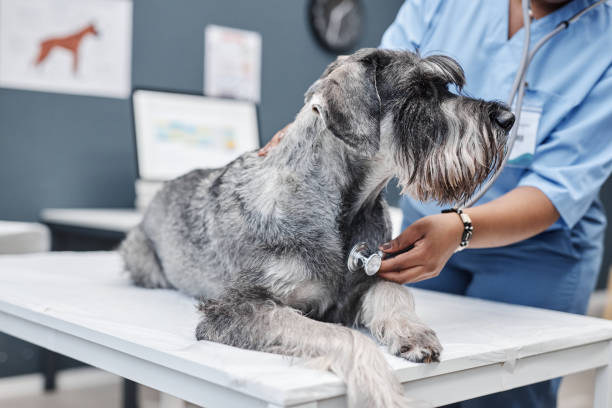
Your patients are mostly dogs and cats. Golden Retrievers, Labradors, French Bulldogs, Corgis. British Shorthairs, American Shorthairs, Ragdolls. The breed concentration is narrow, and you will see a lot of the same conditions. Exotic pets—rabbits, chinchillas, parrots, turtles, geckos—have their own dedicated caseload in certain clinics, especially in Shanghai and Beijing. But for most full-time veterinary jobs, the daily schedule runs on canine and feline medicine.
The question a pet doctor faces here is rarely “can we save this animal.” It is almost always “how much is the owner willing to spend.” The answer, increasingly, is whatever it takes. Chinese pet owners in first-tier cities spend on diagnostics, surgery, and long-term care at levels that match any Western market. Your clinical decisions will be shaped by that reality.
Where you work falls into three buckets. Chain hospitals dominate the landscape. Veterinary jobs on HiredChina often come from chains like Ruipeng, Ruipai, and Babitang, which operate hundreds of locations across major cities. Their equipment is modern, their protocols are standardized, and they need doctors who can handle high daily caseloads while maintaining consistent quality. Private high-end clinics serve a mix of expat clients and wealthy locals, often communicating in English, and they pay the highest premiums for experienced veterinarian jobs candidates.
Referral centers in Beijing, Shanghai, Guangzhou, and Shenzhen handle the cases that general practices cannot. Orthopedics, ophthalmology, neurology, oncology—these are the specialties most in demand. A the pet doctor with board certification in any of these areas has scarcity value that translates directly into negotiating power.
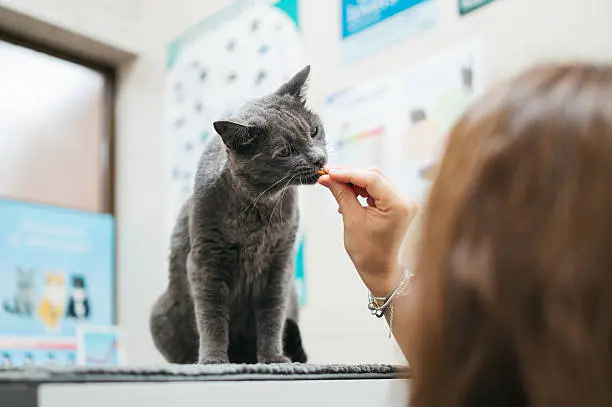
Your daily work covers the expected range. Consultations, vaccinations, routine surgery, dental procedures, dermatology, internal medicine. Emergency and critical care volume is growing. What you may not expect is how much time you spend educating owners. Chinese pet owners are on a steep learning curve. They research conditions, compare treatment plans, and ask detailed questions. They are not passive. A skilled pet doctor in this market spends as much time communicating as diagnosing. That is not inefficiency. That is the job.
Why Chinese Hospitals Want Foreign Vets
The supply of qualified pet doctor candidates simply cannot keep up with demand. Veterinary education in China has historically focused on livestock and public health. Small animal clinical training only started expanding in the past decade. Meanwhile, pet hospitals have been multiplying at a pace that far outstrips the pipeline of new graduates. Chain hospitals compete for experienced doctors with salary offers that would have been unheard of five years ago.
Hospitals are not just looking for someone to see patients. They want a the pet doctor who can build clinical standards, establish infection control protocols, and teach junior staff how to communicate with clients. A foreign vet who can mentor a team creates value far beyond their own daily caseload. That is why hospitals are willing to pay more for you than for a local candidate with similar clinical years. The premium pays for your ability to lift the entire practice.
The client side pushes in the same direction. Chinese pet owners are highly informed. They search symptoms online, compare your proposed treatment to what they find on international veterinary forums, and ask why you are using one anesthetic protocol rather than another. A veterinarian jobs candidate who can handle these conversations confidently is helping the hospital retain its highest-value clients. That matters to the bottom line.
What You Are Up Against
The single largest barrier is licensure. To legally practice as a pet doctor in China, you need to pass the Chinese Veterinary Licensing Examination. It is currently administered only in Mandarin. No way around that. If your Chinese is not yet at the level required for the exam, some hospitals offer veterinary assistant jobs as a bridge. These roles involve assisting in surgery, nursing hospitalized patients, communicating with owners, and training local staff. The pay is lower, the scope is narrower, but it gets you into the market while you work on the language.
The work rhythm will probably be heavier than what you are used to. Weekend rotations are standard. Night emergency shifts exist in the larger referral centers. A standard day can stretch longer than you expect, especially when owners bring questions they have been saving up for a week. Client communication takes more time here. Owners come prepared, they ask many questions, and they may push back on your recommendations. Patience is not a bonus skill. It is a core requirement for anyone in veterinary jobs who wants to keep their sanity and their client base intact.
There is also the issue of euthanasia, and it will come up differently than it does in the West. Some owners will request euthanasia for animals that still have treatment options, citing cost or caregiving burden. Others will insist on continuing treatment long past the point where medicine offers any meaningful hope. Both scenarios test your clinical judgment and your communication skills in ways that no exam prepares you for. This is not a technical challenge, but it will show up in your daily veterinary jobs more often than you might expect.
Salary and Where the Career Goes
A junior general practice vet earns 10,000 to 18,000 RMB per month. Someone with three to five years of solid small animal experience earns 18,000 to 30,000. A specialist or clinical director earns 30,000 to 50,000 and up. Veterinary assistant jobs pay 8,000 to 15,000 RMB—enough to live on while you prepare for the licensing exam. Some high-end hospitals offer housing allowances, annual flight reimbursement, or relocation packages for foreign hires.
Three years in, your path has a few clear forks. You can become the clinical backbone of a referral center, the person everyone sends the complicated cases to. You can step into a medical director role, running a team, setting standards, training the next cohort of local vets. Or you can take your case volume and your experience back to a Western practice, where a few years of high-throughput clinical work in China makes your resume stand out in a stack of identical-looking applicants.
How to Start
First, be honest about what you are qualified to do right now. If your Mandarin is strong enough to study for the licensing exam, apply directly for veterinary jobs. If it is not, look for veterinary assistant jobs or roles at expat-oriented clinics where independent consultation is not required, and start learning medical Chinese. The sooner you begin working with the language in a clinical setting, the faster the exam becomes realistic.
Where to look: HiredChina, LinkedIn, Vetstrategy, and the career pages of the major chains. The pet healthcare community in China is small and tightly networked. Industry conferences and continuing education events are where many of the best veterinarian jobs get filled before they are ever posted. Prepare your credentials—license, diploma, professional resume with an emphasis on small animal case experience, reference letters. If you hold a specialty board certification, lead with that. Clinics looking for foreign vets are often specifically searching for advanced training that the local market cannot yet supply.
Conclusion
China’s pet healthcare market sits in a strange position. Demand has caught up to developed-world standards. The supply of qualified pet doctor candidates has not. That gap will not stay open forever, but right now it is real. If you have the license, the clinical experience, and the willingness to work through the language barrier, veterinary jobs in China offer more than a paycheck. They offer case volumes you will not easily find elsewhere, professional growth at a pace the Western market rarely allows, and a career experience that is genuinely hard to replicate. The opportunities exist. Most people just have not noticed them yet.