
Discover 2025’s cross-border healthcare employment boom in China: 1200+ expat medical jobs at foreign hospitals. Explore high-salary roles, visa support & application strategies.
Introduction: A New Wave in China’s Healthcare Market
While global healthcare professionals fiercely compete in traditional Western markets, the East has quietly opened a door brimming with opportunity. In 2025, China’s cross-border healthcare employment market is experiencing explosive growth – fueled by the accelerated expansion of foreign-funded hospitals, projected to create over 1,200 high-quality positions for expatriates. This isn’t just about numbers; it marks a significant milestone in China’s healthcare globalization journey. From Beijing to Shanghai, Guangzhou to Chengdu, internationally accredited medical institutions are mushrooming, heralding an unprecedented golden age for cross-border healthcare employment.
Foreign Hospital Expansion in China: Scale and Driving Forces Analyzed
Policy Tailwinds: Doors Swing Wider Open
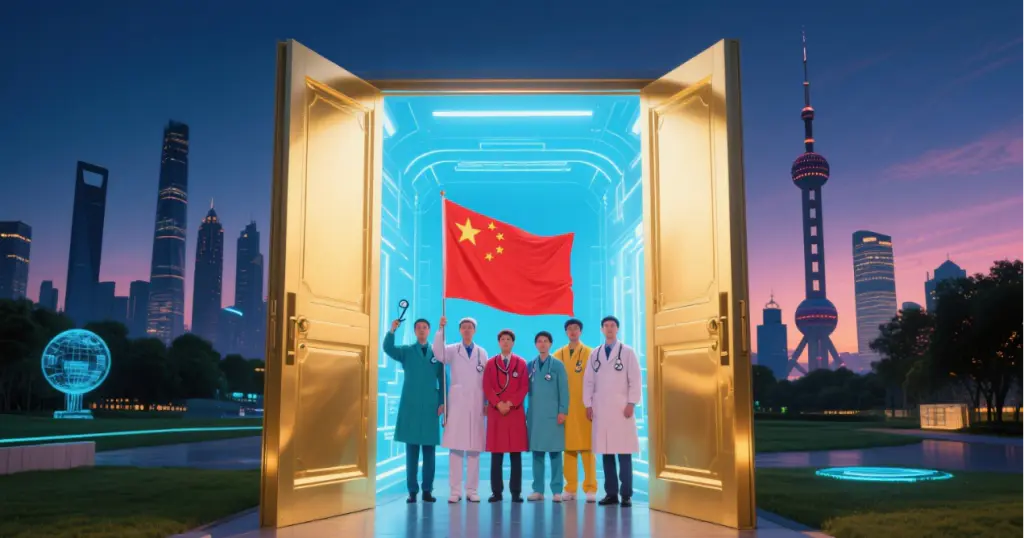
- Core Support from “Healthy China 2030” Strategy: The national government explicitly encourages social capital (including foreign investment) to establish medical facilities, optimizing a diversified healthcare landscape while systematically dismantling policy barriers.
- Pilot Zones Lead in Medical Openness: Free Trade Zones (FTZs) like Hainan Boao Lecheng and Shanghai allow wholly foreign-owned medical institutions, with market access negative lists continuously shrinking.
- Green Channels for Drugs & Devices: Special policies in zones like Boao Lecheng permit the use of cutting-edge international pharmaceuticals and medical equipment, significantly boosting foreign hospitals’ competitiveness.
- Relaxed Physician Licensing: Pilot areas allow foreign physicians to practice at multiple sites, and mutual recognition of qualifications is accelerating (e.g., in the Guangdong-Hong Kong-Macao Greater Bay Area).
Market Demand: Huge Gap in High-End Care
- Expanding Affluent & Middle Class: China has the world’s second-largest population of High-Net-Worth Individuals (HNWIs), driving surging demand for personalized, internationally accredited healthcare.
- Accelerating Aging Society: The population aged 65+ exceeds 20%, triggering explosive demand in specialties like oncology, cardiology, and neurodegenerative diseases.
- Pain Points Drive Localization: High costs and complex logistics for “overseas medical travel” make local international hospitals an efficient alternative.
- Rising Commercial Insurance Penetration: Expanding coverage under premium health insurance plans provides strong payment support for foreign hospitals.
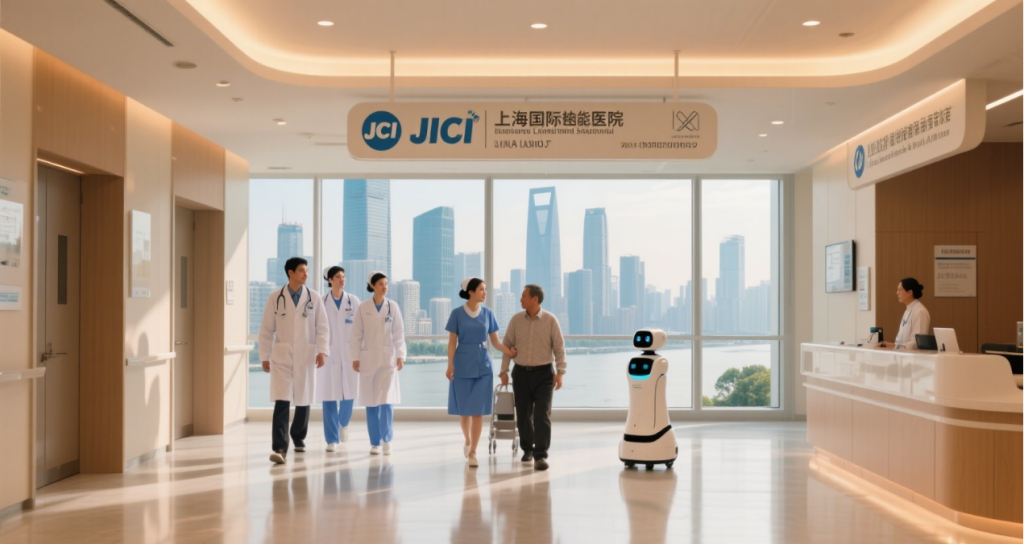
Expansion Map: From Tier 1 to New Tier 1 Cities
- Consolidating Traditional Hubs: Beijing (Chaoyang International Medical Cluster), Shanghai (Pudong, New Hongqiao International Medical Center), Guangzhou (Pazhou International Medical Hub).
- Emerging Powerhouses: Chengdu (Tianfu International Bio-Town), Hangzhou (Qiantang New Area International Hospitals), Boao Lecheng (“Medical Special Zone”), Greater Bay Area (Shenzhen, Zhuhai, Hengqin).
- Key Players Accelerating:
- United Family Healthcare (UFH): Continuously expanding hospital and clinic networks in Beijing, Shanghai, Guangzhou, Shenzhen, Hangzhou.
- Raffles Medical Group: Deepening presence in Chongqing, Beijing, Shanghai, Shenzhen.
- Parkway Pantai (IHH Healthcare): Expanding in Shanghai, Chengdu.
- Germany’s Artemed Group, Japan’s Yuesheng Group: Established in Shanghai FTZ.
- Singapore’s TH Medical: Focusing on oncology, established in Boao Lecheng (Hainan) and Shanghai.
- Massachusetts General Hospital, Mayo Clinic (Collaboration Models): Deeply engaged via technology transfer and brand licensing.
2025 Expansion Forecast & Job Creation
- Based on Frost & Sullivan and local industry think tank models, 2025 will see over 15 new foreign-funded (including JV) hospitals/large specialty centers and more than 20 major expansion projects at existing institutions.
- Core Job Creation: Directly generating 1,200+ core positions for expatriates in clinical care, management, and technical support, covering physicians, nurses, technicians, hospital administrators, IT professionals, and marketing specialists.
2025 Cross-Border Healthcare Opportunities: Key Roles & Talent Profiles
High-Demand Clinical Roles:
- Top Specialists:
- Oncology: Medical Oncologists, Radiation Oncologists, Surgical Oncologists (especially skilled in precision/immunotherapy).
- Cardiology: Interventional Cardiologists, Cardiothoracic Surgeons, Electrophysiologists.
- Neuroscience: Neurosurgeons (complex procedures), Neurologists (Parkinson’s, Alzheimer’s), Neurointerventional Radiologists.
- OB/GYN & Reproductive Medicine: High-Risk Obstetricians, Reproductive Endocrinologists (IVF), Gynecologic Oncologists.
- Orthopedics & Sports Medicine: Joint Replacement (robot-assisted), Spine Surgeons, Sports Medicine Specialists.
- Pediatrics: Neonatologists (NICU), Pediatric Surgeons, Rare Disease Specialists.
- Advanced Practice Nursing:
- Specialty Nurses: Oncology, ICU, OR, Anesthesia, Diabetes Education, Wound/Ostomy Care, Dialysis.
- Nurse Practitioners (NPs): With prescribing/autonomy within scope and local regulations (where permitted).
- Medical Imaging & Lab Experts:
- Radiologists: Proficient in advanced MRI/CT/PET-CT interpretation, Interventional Radiology.
- Sonographers: Cardiac Sonographers, OB/GYN Sonographers, Interventional Ultrasound.
- Laboratory Scientists: Molecular Diagnostics, Genetics, Mass Spectrometry Specialists.
Critical Management & Operations Roles:
- Hospital Executive Leadership: CEO, COO, CFO, Chief Medical Officer (CMO), Chief Nursing Officer (CNO) (Requires deep international hospital experience).
- Department Leadership & Operations: Department Chair (clinical + management skills), Operations Manager, Director of Patient Services.
- Quality & Safety Specialists: Experts in JCI, DNV GL, or similar international accreditation standards.
- Core Information Technology: IT Managers proficient in Epic, Cerner, etc.; Clinical Informaticists; Cybersecurity Specialists.
- Marketing & Patient Experience: International Patient Services Manager, Premium Market Brand Director, Customer Experience Optimization Specialist.
Core Talent Profile:
- Hard Requirements:
- Valid home country medical license (Typically from recognized boards: US, UK, AU, CA, DE, JP, etc.).
- Substantial clinical experience (Usually attending physician level+, 5-10+ years).
- Fluent English (essential), Chinese proficiency a significant plus (especially for management).
- Degree Requirements: MD, DO, DNP, MSN, MSc, etc.
- Soft Skills & Competencies:
- Cross-Cultural Communication & Adaptability: Understand Chinese patient expectations, collaborate effectively with local teams.
- Service-Oriented Mindset: Meet premium patients’ high demands for service experience.
- Flexibility & Innovative Thinking: Adapt to a fast-evolving healthcare environment with unique characteristics.
- Teaching & Leadership Potential: Ability and willingness to train local staff and elevate standards.
The Allure of Cross-Border Healthcare Jobs: Benefits Beyond Salary
Highly Competitive Compensation & Benefits Package
- Salary Levels: Generally significantly higher than home countries (especially outside US/UK), Top specialists can earn $300,000 – $800,000+ USD annually, plus substantial performance bonuses.
- Comprehensive Benefits:
- Premium International Health Insurance (Global coverage, including dependents).
- Generous Housing Allowance or Provided Accommodation.
- Annual Round-Trip Airfare Home (for family).
- Full/Substantial Tuition Allowance for Children’s International Schooling.
- Signing Bonus, Contract Completion Bonus.
- Paid Vacation (Typically 4-8 weeks).
- Tax Optimization Support & Advice.
Unparalleled Career Accelerator

- Access to Cutting-Edge Tech & Practice: Work with the latest globally approved drugs/devices (especially in zones like Boao), handle complex cases.
- Rapid Leadership Advancement: Opportunities for key management roles and team-building in fast-growing institutions far exceed those in mature markets.
- Academic & Research Hub: Collaborate with top international/domestic institutions, participate in unique clinical research (e.g., on regionally prevalent diseases).
- Global Resume Builder: Experience at a top-tier Chinese international hospital is a powerful credential for future global career moves.

Unique Cultural & Life Experience
- Immersive Cultural Exploration: Deep dive into one of the world’s oldest, most dynamic civilizations.
- Convenience of High-Speed Modernization: Enjoy world-leading digital life (mobile pay, efficient delivery), convenient high-speed rail.
- Vast Travel Opportunities: Explore China’s stunning landscapes and neighboring Asian countries during holidays.
- Safe & Stable Social Environment: High safety levels in major work cities.
Seizing the Opportunity: A Strategic Action Plan
Targeted Positioning & Information Gathering
- Identify Target Institutions: Deep dive into major foreign hospital groups in China (UFH, Raffles, Parkway Pantai, etc.) and their new projects/recruitment focus.
- Leverage Professional Platforms:
- International Medical Job Boards: PracticeLink, BMJ Careers, LinkedIn (Premium Search).
- China-Focused Expat Job Sites: eChinacities, JobsCabin.
- Top Executive Search Firms: Healthcare teams at Korn Ferry, ManpowerGroup, Michael Page.
- Target Hospital Career Pages (“Join Us/Careers”).
- Industry Insights: Follow coverage of the China market in publications like The Lancet, Health Times, Healthcare IT News.
Credentialing & Documentation Prep
- Core Credentials:
- Ensure home country license is valid and unblemished.
- Document Authentication: Complete Apostille (Hague Convention) or Chinese Embassy/Consulate legalization for diplomas/certificates.
- Language Proof: Prepare Chinese proficiency test results (e.g., HSK) if applicable.
- Build Strong Application Materials:
- Targeted Resume: Highlight international experience, specialty achievements, leadership, interest/understanding of China market. Quantify achievements!
- Compelling Cover Letter: Clearly articulate why China, why this institution/role.
- References: Secure 2-3 strong reference letters (ideally from those aware of your international potential).
Effective Application & Interview Success
- Typical Process: Online Application -> HR Screen -> Department/Technical Interview -> Executive Interview -> Offer Negotiation. Often conducted virtually.
- Interview Keys to Success:
- Demonstrate Cultural Sensitivity: Show respect, willingness to learn and adapt. Research Chinese healthcare cultural nuances.
- Emphasize Collaboration & Teaching: Highlight ability/willingness to work with local teams and transfer knowledge.
- Articulate Career Motivation: Explain why China over other emerging markets.
- Ask Insightful Questions: Inquire about hospital strategy, quality systems, team structure, challenges – show depth.
- Technical Competence is Fundamental: Solid knowledge and skills remain the baseline requirement.
- Utilize Recruiters: Build relationships with experienced recruiters specializing in China healthcare for insider info and guidance.
Contracting & Relocation
- Legal Review: Essential to hire a lawyer familiar with Chinese labor law and expatriate rights to review the contract (work permit, salary, benefits, termination, non-compete clauses).
- Work Permit (Z-Visa): Employer is the sponsor. Requires documents like authenticated criminal record check, medical exam. Process takes 1-3 months.
- Relocation Support: Maximize employer-provided assistance (housing, visa help, school enrollment, bank setup, driver’s license conversion).
- Tax Planning: Consult a professional tax advisor to understand tax obligations in China and potential benefits under bilateral tax treaties.
Potential Challenges & Smart Mitigation
Licensing & Regulatory Hurdles
- Challenge: China’s national medical licensing exam (in Chinese) is difficult. Short-term reliance on the “Foreign Medical Practitioner Short-Term Practice License” (requires renewal, tied to employer).
- Mitigation:
- Confirm if target roles only require the short-term license (most foreign hospital positions do).
- Long-term planners could systematically learn Chinese and aim for the full license (greater freedom).
- Investigate if pilot policies offer more convenience (e.g., Hainan, Greater Bay Area).
Cultural Nuances & Communication Integration
- Challenge: Differences in doctor-patient communication, decision-making, teamwork styles, hierarchy perceptions.
- Mitigation:
- Proactive Learning: Dedicate time pre-arrival and early on to learn basic Chinese and Chinese culture/healthcare norms.
- Openness & Respect: Suspend judgment, actively listen, seek to understand the ‘why’ behind differences.
- Leverage Bridge Personnel: Rely on excellent bilingual nurses, patient coordinators, local physician partners.
- Utilize Cross-Cultural Training: Take advantage of employer-offered resources.
Workload Pressure & Expectation Management
- Challenge: High demands from premium patients, fast-paced environment during expansion phases.
- Mitigation:
- Set Boundaries & Communicate: Manage patient/family expectations clearly and professionally.
- Master Time Management: Use tools effectively, prioritize ruthlessly.
- Build Support Networks: Connect actively with expatriate colleagues for shared experiences and support.
- Prioritize Self-Care: Ensure adequate rest, utilize vacation time for exploration/relaxation.
Family Adaptation & Long-Term Planning
- Challenge: Spouse employment, children’s education, cultural adjustment, long-term residency (permanent residency/Green Card has high thresholds).
- Mitigation:
- Thorough Family Discussion: Ensure full family understanding and buy-in. Plan together.
- Maximize Relocation Support: Secure housing and international school placement early.
- Spouse Support: Explore spouse work options or encourage community involvement/language learning.
- Define Contract Duration: View the China experience as a defined, enriching 3-5 year career chapter, or actively explore long-term stay pathways.
The Future: Evolution of Cross-Border Healthcare Employment
- Ongoing Policy Refinement: Easier licensing for foreign doctors, qualification mutual recognition (especially in GBA/FTZs), potential easing of Green Card rules.
- Market Penetration Deepens: Foreign hospital expansion extends from Tier 1/New Tier 1 into strong Tier 2 cities, broadening geographic opportunities.
- “MedTech” Convergence Roles Surge: Demand skyrockets for remote international care coordinators, AI-assisted diagnostics specialists, healthcare data scientists.
- Balancing Localization & Globalization: Successful foreign hospitals will blend international standards with Chinese insights, requiring highly internationalized teams. Demand for hybrid talent (understanding both global norms and China’s market, including overseas Chinese) will explode.
- China as a Global Healthcare Talent Hub: Moving beyond talent import, China may cultivate globally-standard talent for export, attract international patients, and become a regional center for healthcare talent exchange.
Conclusion: Securing Your Place in China’s Healthcare Future
The 2025 boom in China’s cross-border healthcare employment is a historic opportunity catalyzed by policy shifts, market demands, and capital investment. Behind the 1200+ expatriate positions lies a multi-billion dollar premium healthcare market taking shape and a strategic signal of China’s deeper integration into global healthcare systems. For global healthcare professionals, this represents not just a path to high compensation and career advancement, but a unique chance to participate in reshaping the world’s healthcare map.
Challenges coexist with immense opportunity; cultural adaptation is as crucial as professional excellence. Those who embrace change, deliver deep value, and build bridges between medical systems will find profound career fulfillment and life experiences on this dynamic frontier. China’s healthcare internationalization train has accelerated; the golden window for cross-border healthcare employment is open – it’s time to position your professional compass towards the East.