
A complete guide for international scholars seeking career opportunities at China’s elite Double First-Class universities and research institutions. Explore pathways, benefits, application strategies, and practical advice for a successful academic transition to China.

Introduction
In recent years, the rapid rise of China’s higher education sector has captured global attention. International scholars are increasingly looking towards China’s “Double First-Class” universities and research institutions as unique opportunities for career development and scientific breakthroughs. This article provides an in-depth exploration of the pathways, challenges, and advantages for international scholars joining China’s top academic institutions. It serves as a comprehensive guide to help prospective international scholars navigate a successful career transition in China.
Overview of China’s “Double First-Class” Initiative
“Double First-Class” is a major national higher education strategy launched by the Chinese government in 2015, aiming to build world-class universities and first-class disciplines. The initiative encompasses 147 universities, with 42 designated as “world-class university” construction entities and the rest focused on building “world-class disciplines.” For international scholars, this translates to unprecedented investment in resources to upgrade research facilities, salary packages, and international collaboration, creating a highly attractive professional environment.
Advantages for International Scholars Joining “Double First-Class” Institutions
Joining a Chinese “Double First-Class” institution offers international scholars several significant benefits:
- Substantial Financial Support: Government investment in scientific research continues to grow. International scholars often have access to generous start-up research grants, National Natural Science Foundation of China (NSFC) funding, and programs specifically for foreign talent, such as the Research Fund for International Young Scientists.
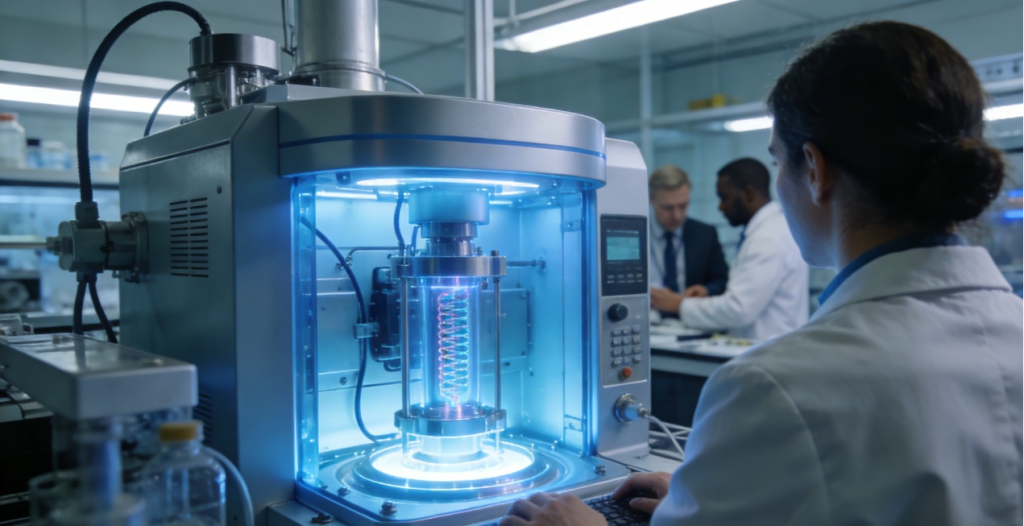
- Advanced Research Facilities: Many “Double First-Class” universities have established world-class laboratories and research centers equipped with cutting-edge technology. This provides an excellent platform for international scholars to conduct pioneering research in fields like artificial intelligence, biotechnology, materials science, and quantum computing.
- Competitive Compensation and Benefits: To attract top talent, Chinese universities offer international scholars competitive remuneration packages. These typically include a base salary, housing allowance, child education subsidies, comprehensive medical insurance, and annual international travel allowances. Many institutions also assist with spousal employment and family relocation.
- Dynamic and Fast-Paced Academic Environment: The Chinese academic sphere is vibrant, with significant pressure and opportunity to publish high-quality research. For international scholars, this means abundant collaboration opportunities, rich data resources, and the potential to participate in large-scale research projects with global impact.
- Unique Cultural and Professional Experience: Working and living in China allows international scholars to gain a deep understanding of this ancient civilization and modern superpower, significantly broadening personal and professional perspectives.
Primary Recruitment Channels and Talent Programs

International scholars can join Chinese “Double First-Class” institutions through the following main avenues:
Direct Position Applications
Monitor the official websites of target universities (usually under “Talents Recruitment” or “International Office” sections). Many universities have year-round openings for tenure-track assistant professors, associate professors, full professors, and research fellows.
National-Level Talent Recruitment Programs
- Chang Jiang (Yangtze River) Scholars Program: Includes “Chair Professor” and “Distinguished Professor” positions for outstanding overseas scholars.
- Overseas High-Level Talent Introduction Programs: While programs like the “Thousand Talents Plan” have been optimized, their spirit continues through various national, provincial, and university-level projects aimed at leading scientists and research leaders.
- Programs for Young Talents: Initiatives like the NSFC Excellent Young Scientists Fund (for overseas) specifically target international scholars under 40 who have achieved notable research results, offering substantial research funding and attractive terms.
Postdoctoral Research Fellowships
This is a crucial stepping stone for many early-career international scholars to enter top Chinese labs, gain experience, and build networks. The China Postdoctoral Science Foundation offers various grants.
International Cooperation and Exchange Projects
Establishing long-term positions can sometimes evolve from existing collaborations with Chinese researchers or participation in bilateral/multilateral projects (e.g., EU Horizon, Sino-US, Sino-UK programs).
Application Process and Key Materials
The typical application process involves several key steps:
Identifying Targets: Conduct thorough research on the strengths, laboratory facilities, and departmental culture of various “Double First-Class” universities. For international scholars, aligning research interests and finding an inclusive international environment is crucial.
Making Contact: Before formally applying, reach out via email to the department chair or a potential collaborating professor at the target school to express interest and explore possibilities.
Preparing Application Dossier:
- Detailed Curriculum Vitae (CV): Highlight research achievements, publication record, grant history, and teaching experience.
- Research Proposal: Outline a 3-5 year research plan, explaining its relevance to the discipline’s development and China’s strategic needs.
- Teaching Philosophy Statement: Demonstrate teaching passion and methodology.
- Representative Publications: Usually 3-5 key papers.
- Reference Letters: Typically 3-5 letters from international peers are required.
Interview and Presentation: After initial screening, candidates usually give an academic seminar and interview (online or in-person) to demonstrate their capabilities to the hiring committee.
Contract Negotiation and Onboarding: Upon receiving an offer, negotiate details like salary, start-up funding, lab space, graduate student quotas, and teaching load. The university’s HR and International Office will then assist with the work permit (Z-visa) and residence permit application.
Challenges and Adaptation Advice for International Scholars
While opportunities are plentiful, international scholars should be aware of and prepared to navigate certain challenges:
- Language and Cultural Differences: While English is increasingly common as a working language in research, basic Mandarin skills greatly ease daily life. Understanding Chinese academic culture, administrative styles, and social norms is also essential.
- Evaluation Systems: Academic assessment in China may place significant emphasis on publication volume, impact factors, and specific domestic journals. International scholars should understand their institution’s evaluation criteria early on to balance international publishing with local contributions.
- Managing Cross-Cultural Teams: Leading a team of Chinese students and researchers requires an understanding of local educational backgrounds, work habits, and communication styles.
- Life Adaptation: Adapting to a new system for housing, healthcare, and children’s schooling takes time and support. Leveraging the relocation services provided by the university is key.
Advice for International Scholars: Learn basic Mandarin in advance, maintain an open and flexible mindset, and actively build a support network both on and off campus, including other international scholars and Chinese colleagues.
Success Stories and Current Trends

A growing number of international scholars have built highly successful careers at China’s “Double First-Class” universities. For instance, at institutions like Tsinghua University, Peking University, Zhejiang University, and Shanghai Jiao Tong University, professors recruited from top global institutions are now leading world-class research teams. The trend indicates that Chinese universities’ demand for international scholars is expanding from natural sciences and engineering to social sciences, humanities, arts, and business.
Conclusion
For ambitious international scholars, China’s “Double First-Class” universities and institutions offer a dynamic, well-resourced, and increasingly influential career platform. Success hinges on thorough preliminary research, meticulous application preparation, and a positive attitude towards adapting to a new environment. As China continues to deepen the internationalization of its higher education, now is an ideal time for international scholars to explore these opportunities, contribute to the global knowledge ecosystem, and achieve significant professional growth.
By actively participating in the development of China’s academic landscape, international scholars can not only advance their own research but also serve as cultural bridges, fostering greater global scientific cooperation and understanding. China’s doors are opening wider to world-class talent, presenting a remarkable opportunity for international scholars worldwide.