
Discover how Chinese private rocket companies like i-Space and LandSpace are actively recruiting international talent to compete with SpaceX. Learn about the key roles, recruitment strategies, and challenges in attracting global experts in rocket propulsion, aerospace engineering, and commercial space development.
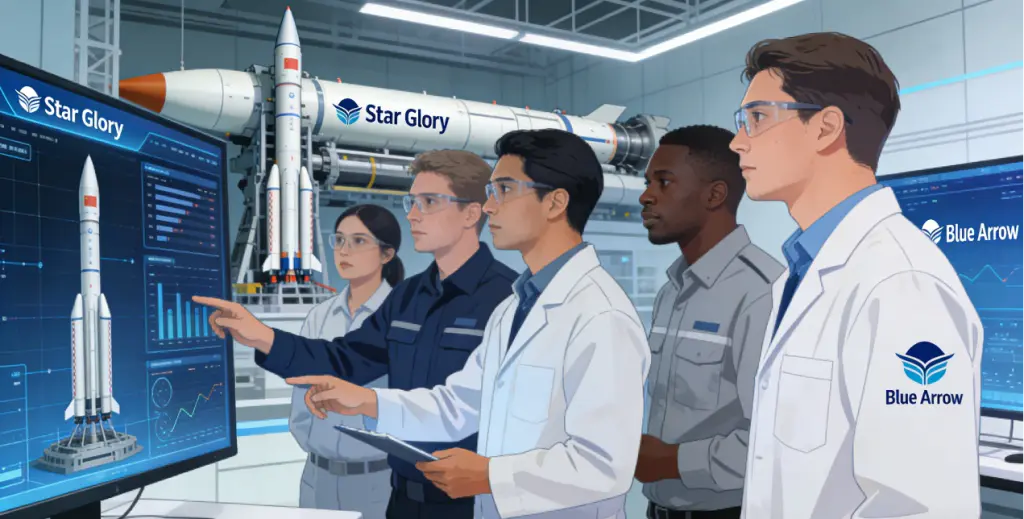
Introduction: The Rise of China’s Private Space Industry and Its Demand for International Talent
In recent years, Chinese private aerospace companies like i-Space, LandSpace, and Galactic Energy have rapidly emerged, achieving significant milestones in rocket launches, satellite technology, and space exploration. Modeling themselves after SpaceX, these companies are dedicated to developing reusable rockets, reducing launch costs, and expanding the commercial space market. However, achieving these ambitious goals requires more than just domestic expertise. Consequently, recruiting international talent has become a core strategy for these enterprises. International talent brings not only advanced technical experience but also a global perspective, helping Chinese companies establish a foothold in the international marketplace.
Globally, the aerospace industry is experiencing a fierce competition for international talent. SpaceX, with its innovative culture and high compensation, has attracted top international talent from organizations like NASA and Boeing. Chinese private rocket companies recognize that to close the gap with leaders, they must enter this competitive fray. By recruiting international talent, these firms aim to accelerate R&D, optimize management processes, and expand international operations. This article will analyze in detail the types of international talent Chinese private rocket companies are recruiting and explore the underlying drivers and challenges.
The Development Status and International Talent Strategy of Chinese Private Rocket Companies
As representatives of China’s private space sector, i-Space and LandSpace have achieved landmark successes in rocket launches. For instance, i-Space successfully launched the Hyperbola-1 rocket, while LandSpace has focused on liquid oxygen-methane engine technology. These accomplishments are inseparable from their reliance on international talent. By hiring international talent from Europe, the United States, and other regions, these companies have rapidly assimilated advanced experience in rocket design, manufacturing, and testing.
Why is international talent so crucial? Firstly, the aerospace industry is highly complex and global, involving interdisciplinary expertise. International talent often possesses work experience at institutions like NASA, ESA, or SpaceX, bringing mature project management methodologies and risk control strategies. Secondly, Chinese private rocket companies face technical bottlenecks in areas like engine efficiency, materials science, and guidance systems—areas where international talent can provide solutions. Finally, in the global market competition, international talent helps companies understand the regulations, cultures, and customer needs of different countries, thereby facilitating global expansion.
Therefore, companies like i-Space and LandSpace are intensifying their efforts to recruit international talent. They utilize overseas job fairs, international collaboration projects, and high-end headhunting channels to attract international talent. These efforts not only elevate the companies’ technical capabilities but also enhance their international reputation. The influx of international talent is gradually transforming the ecosystem of China’s private space industry, bringing it closer to global standards.
What International Talent Is Being Recruited?—Key Roles and Skill Requirements
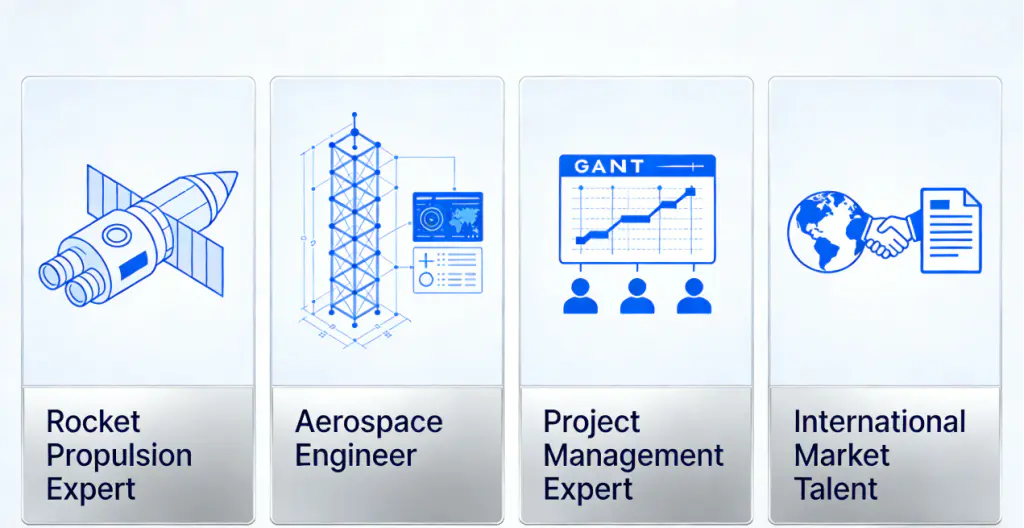
Chinese private rocket companies’ demand for international talent spans multiple critical domains. Below are some of the core positions they are looking to fill:
Rocket Propulsion Experts
The rocket engine is the “heart” of a spacecraft. Chinese companies have an urgent need for international talent with experience in liquid fuels, propellants, and reusable technology. This international talent typically comes from SpaceX, Blue Origin, or traditional aerospace giants and can help companies overcome engine design bottlenecks. For example, in developing its “Tianque” engine, LandSpace recruited international talent from Europe to optimize combustion efficiency and reliability.
Aerospace Engineers
This category includes specialists in structural design, aerodynamics, thermal control, and avionics systems. International talent in these fields can introduce advanced simulation tools and testing methodologies, shortening R&D cycles. i-Space has publicly stated it has hired several international talent from the United States to improve the overall performance of its rockets.
Project Management and Operations Professionals
Aerospace projects involve high risk and long cycles, requiring experienced project managers. International talent from global space agencies brings systematic project management frameworks, ensuring missions are completed on time and within budget. This international talent can also optimize supply chains and launch procedures, improving operational efficiency.
Marketing and International Business Development Talent
As the commercial space market globalizes, companies need international talent to acquire overseas clients, negotiate contracts, and handle compliance issues. This international talent usually possesses multilingual skills and cross-cultural experience, aiding Chinese companies in competing internationally.
Scientists and Researchers
In fundamental research areas like materials science, artificial intelligence, and space science, international talent can drive cutting-edge innovation. Chinese private rocket companies are collaborating with global universities to attract international talent for R&D projects.
Furthermore, companies are also recruiting international talent for roles in quality control, safety regulations, and intellectual property management. In summary, the diversity of international talent is key to the success of China’s private aerospace companies. By integrating the skills of international talent, these firms can achieve technological breakthroughs and market expansion more rapidly.
Sources and Recruitment Channels for International Talent
Chinese private rocket companies primarily recruit international talent from the following sources:
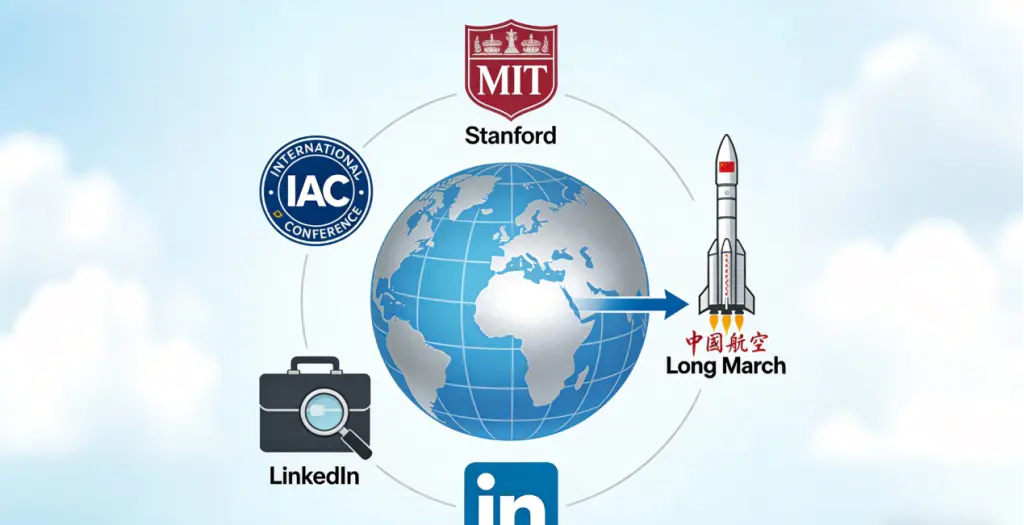
- International Space Agencies and Companies: Former employees of NASA, ESA, Roscosmos, and other agencies are prime targets. Simultaneously, poaching from commercial firms like SpaceX, Blue Origin, and Virgin Galactic has become a common strategy. This international talent brings practical, hands-on experience that can quickly elevate a Chinese company’s capabilities.
- Global Universities and Research Institutions: Graduates and professors from top institutions like MIT, Stanford, and Cambridge are actively recruited. Chinese companies attract this international talent through scholarships, joint research, and internship programs.
- International Conferences and Industry Networks: Aerospace conferences such as the International Astronautical Congress (IAC) are vital platforms for recruiting international talent. Company representatives use these events to network with potential candidates and showcase their growth prospects.
- High-End Headhunters and Online Platforms: Professional recruitment firms assist Chinese companies in finding international talent, while platforms like LinkedIn are used for targeted recruitment.
To attract international talent, Chinese companies offer competitive salaries, benefits, and career development opportunities. For example, some provide international talent with housing allowances, children’s education support, and flexible work arrangements. Moreover, the allure of participating in major Chinese space projects cannot be underestimated—many international talent are eager to make their mark in this fast-growing market.
Recruitment Strategies and Value Proposition Analysis
Chinese private rocket companies employ several strategies to enhance their appeal to international talent:
- Competitive Compensation and Equity Incentives: Salaries and stock options are benchmarked against international standards to attract top-tier international talent. This is particularly attractive to international talent from developed nations.
- High-Impact Career Platforms: Companies promise international talent involvement in cutting-edge projects, such as lunar exploration and Mars missions, offering significant growth opportunities. This challenging work environment can stimulate the innovative potential of international talent.
- Cultural and Lifestyle Support: Support services like language training, cultural adaptation guidance, and community assistance are provided to help international talent transition smoothly. Some companies establish international teams to foster multicultural integration.
- Opportunities for International Collaboration: Through partnerships with global entities, international talent can operate within a worldwide network, enhancing their professional value.
However, recruiting international talent also presents challenges. Cultural differences, language barriers, and technology security concerns can hinder the integration of international talent. Additionally, international political factors like export controls and technology blocks may restrict the mobility of international talent. Chinese companies need to develop counter-strategies, such as strengthening internal training, establishing transparent communication mechanisms, and adhering to international regulations.
Challenges and Countermeasures—The Path to Integrating International Talent
After attracting international talent, ensuring their effective integration into teams is a critical challenge. Chinese private rocket companies are adopting the following countermeasures:
- Cross-Cultural Training: Providing training for both local employees and international talent to foster mutual understanding. This helps minimize misunderstandings and improves collaboration efficiency.
- Intellectual Property Protection: Establishing clear IP agreements that protect company technology while respecting the contributions of international talent. This builds trust with international talent.
- Adaptive Management Models: Adopting international management standards that accommodate the work habits of international talent. Examples include implementing flat organizational structures and an open innovation culture.
- Long-Term Career Planning: Designing clear career progression paths for international talent to ensure their long-term development in China. This helps reduce turnover and increase loyalty.
Through these measures, Chinese companies can maximize the value of international talent. International talent not only brings technical expertise but can also catalyze organizational change, driving the company’s transformation into a global enterprise.
Comparing International Talent Strategies with SpaceX
SpaceX’s success is partly attributable to its international talent strategy. The company recruits engineers and scientists globally, building diverse teams. SpaceX attracts international talent by offering high-impact projects, an innovative culture, and equity incentives. In comparison, Chinese private rocket companies still face gaps in brand reputation and resources but possess advantages in market growth potential and policy support.
Chinese companies are learning from SpaceX’s playbook, using social media outreach and public demonstrations to attract international talent. Simultaneously, they place greater emphasis on the localization and integration of international talent to avoid cultural clashes. In the long run, Chinese companies have the potential to narrow the gap with SpaceX through effective international talent strategies.
Future Outlook—The Role of International Talent in China’s Private Space Sector
As China’s space policies liberalize and the commercial market expands, the demand for international talent will continue to grow. It is projected that over the next five years, Chinese private rocket companies will recruit even more international talent, especially in fields like reusable rockets, satellite constellations, and deep space exploration. International talent will be a driving force for technological innovation, helping Chinese companies compete on the international stage.
Furthermore, the influx of international talent will promote the internationalization of aerospace education in China, helping to cultivate more domestic experts. Ultimately, through the contributions of international talent, China’s private space industry may achieve leapfrog development, truly positioning itself as a peer to SpaceX.

Conclusion
In summary, Chinese private rocket companies like i-Space and LandSpace are actively recruiting international talent to accelerate technological breakthroughs and global market expansion. International talent plays a crucial role in rocket propulsion, engineering design, project management, and international business. Through effective recruitment strategies and integration measures, these companies can maximize the value of international talent, propelling the rise of China’s space industry. In the future, international talent will remain a core competitive advantage, helping Chinese private rocket companies stand out in the global space race.
In this era of unprecedented opportunity, international talent is not only a valuable resource for Chinese private aerospace companies but also a bridge connecting China with the world. By continually investing in international talent, China has the potential to achieve new glory in the domain of space. The convergence of international talent is igniting the flame of innovation in Chinese aerospace, and the future developments in this field are highly anticipated. The role of international talent will become increasingly prominent, serving as an inexhaustible driving force for industry progress.