
Learn about senior management positions and executive roles in China. Discover the responsibilities, skills, compensation, and career paths for VP, Director, and C-Level leaders in SOEs, MNCs, and private enterprises.
Introduction
Within the vast and dynamic economic landscape of China, corporate development and success are heavily reliant on the quality and vision of its leadership. Senior management positions, serving as the core strategists and executors for companies, are always a focal point in the business world. These roles, including but not limited to Vice Presidents (VPs), Directors, and various executive roles (C-Suite), are not only pinnacle symbols of a career but also bear the significant responsibility of driving innovation, navigating market challenges, and achieving sustainable growth. This article will provide an in-depth exploration of the responsibilities, requirements, compensation trends, and future evolution of these critical senior management positions within the Chinese business environment, offering a comprehensive guide for ambitious professionals.
The Framework of Senior Management Positions in China‘s Business Ecosystem
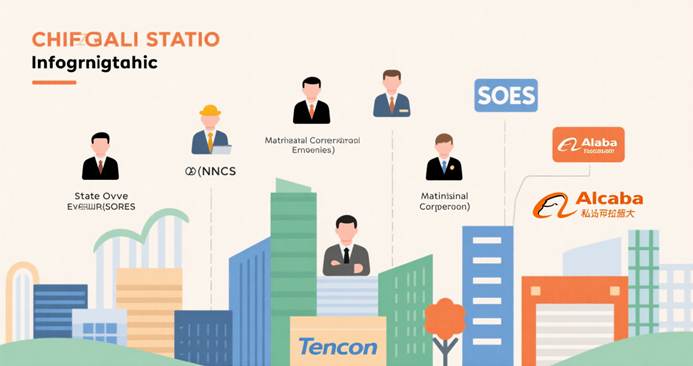
To understand senior management positions in China, one must first grasp its unique business ecosystem. It’s a diverse system comprised of State-Owned Enterprises (SOEs), thriving private enterprises, and active Foreign-Invested Enterprises (FIEs or MNCs). Each system has different interpretations, expectations, and career paths for executive roles.
- State-Owned Enterprises (SOEs): In these companies, senior management positions often carry an administrative nuance. Appointments to executive roles can sometimes be linked to government bodies, with responsibilities extending beyond commercial success to include national strategy and social obligations. Job titles can be very traditional and hierarchical.
- Foreign-Invested Enterprises (MNCs): Multinational corporations in China typically adopt their global grading systems. Senior management positions like Vice President and Director are used relatively standardly, with responsibilities aligned with global standards, but there is a massive emphasis on deep local market understanding and adaptation能力 (ability) (“Glocalization”).
- Private Enterprises & Tech Giants: Companies like Alibaba, Tencent, and ByteDance have defined the culture of executive roles for the new generation of Chinese firms. The environment here is flatter, more agile, and titles can be more innovative (e.g., “Chief Experience Officer”), but the demands on executives are extremely high, requiring incredible resilience, speed, and disruptive thinking.
Despite the different systems, the core mission of all senior management positions is the same: to provide direction, manage resources, inspire teams, and create value.
In-Depth Analysis of Key Senior Management Positions
Vice President (VP)

The Vice President is a widely used senior management position, and its specific authority and scope of responsibilities vary greatly between companies.
- Responsibilities: Typically, a VP oversees a major business unit (e.g., VP of Sales), a core functional area (e.g., VP of Human Resources), or a large geographical region (e.g., VP of Asia Pacific). They are a critical bridge connecting the top decision-making layer (C-Suite) and middle management (Directors), responsible for translating company strategy into actionable business plans.
- Hierarchy Levels: In large organizations, there can be multiple layers of VPs, for example:
- Senior Vice President (SVP): Usually oversees multiple related business lines or functions, wielding greater power and influence.
- Executive Vice President (EVP): Often a member of the top-tier management team, reporting directly to the Chief Executive Officer (CEO).
- Group Vice President: Manages a specific division within a massive, diversified conglomerate.
- Required Skills: Beyond exceptional functional expertise, this executive role requires strong cross-departmental collaboration skills, strategic thinking, people management, and the ability to handle complex projects. In the Chinese market, the ability to build extensive government relations (政府关系 – often called GR), business networks (关系 – Guanxi), and navigate the regulatory environment is also crucial.
Director
The Director is another core senior management position and a key stepping stone for many professionals aiming for the top executive suite.
- Responsibilities: A Director typically heads an independent department or a very significant function. For example, a Sales Director is responsible for the entire sales team and its performance, a Marketing Director oversees all brand and marketing activities, and a Technology Director leads the tech development team. Their work involves deep operational management, ensuring their domain runs efficiently and supports overall business objectives.
- Types:
- Functional Director: Leads a specific function (Finance, Marketing, HR, etc.).
- Business Director: Responsible for a specific product line or business line.
- Independent Director: In listed companies, this is a special type of executive role on the board of directors. They do not represent shareholders but serve an independent oversight function for corporate governance, protecting the interests of minority investors.
- Required Skills: Outstanding team leadership, budget management, decision-making, and execution capabilities are fundamental. In China, motivating and managing a diverse, multi-generational team is a significant challenge.
C-Suite Executive Roles
This is the apex of the corporate power pyramid, the most influential group of senior management positions.
- Chief Executive Officer (CEO): The ultimate decision-maker of the company, finally accountable for all successes and failures. Sets the company’s vision, culture, and strategic direction, and answers to the Board of Directors.
- Chief Operating Officer (COO): Responsible for the company’s day-to-day operations, ensuring the business runs efficiently and smoothly. They are the primary executor of the CEO’s strategy.
- Chief Financial Officer (CFO): Manages the company’s financial power, including financial management, investment decisions, financing strategies, and risk control. They are one of the CEO’s most important business partners.
- Chief Technology Officer (CTO): In the digital age, the importance of this executive role has skyrocketed. Responsible for technology strategy, product development, and technological innovation, they are the engine for maintaining a company’s competitiveness.
- Chief Marketing Officer (CMO): Responsible for brand building, market growth, and customer acquisition. In the current era of dwindling traffic红利 (dividends), their focus has shifted to data-based, refined operations.
- Other Emerging C-Level Roles: Such as Chief Data Officer (CDO), Chief AI Officer (CAIO), and Chief Sustainability Officer (CSO), reflecting the new senior management positions companies are creating in response to emerging trends.
Climbing the Summit: The Path to Senior Management Positions
Securing a senior management position in China is no easy feat; it’s a long path combining hard skills, soft skills, and timing.
- Educational Background: An undergraduate degree from a top-tier university is almost standard, while advanced degrees like an MBA (Master of Business Administration) or EMBA (Executive MBA) are increasingly common, especially in FIEs and the finance industry. These degrees are not just about knowledge but also crucial entry points into valuable networks.
- Experience & Track Record: A consistent and quantifiable record of exceptional performance is the only ticket. Candidates need to continually demonstrate throughout their careers their leadership ability, revenue-generation capabilities, and problem-solving skills for complex issues. Cross-functional and cross-geographical experience (e.g., overseas work experience) is a huge plus.
- Core Competencies:
- Strategic Vision: The ability to foresee market trends and formulate long-term plans.
- Leadership & Influence: The ability to inspire diverse teams and drive initiatives without formal authority (influential leadership).
- Digital Literacy: Understanding the basics of big data, AI, and digital transformation has become a universal requirement for executive roles, regardless of industry.
- Cross-Cultural Communication Skills: Especially in MNCs or Chinese companies with global ambitions, this is a key skill.
- Networking (Guanxi): In the Chinese business context, a professional network built on trust and mutual benefit is crucial. It is often the key channel for accessing scarce opportunities, information, and resources.
Compensation and Incentives for Senior Management Positions
Compensation for senior management positions in China is highly competitive, especially in the internet tech and finance sectors.
- Compensation Structure: Typically a package of “Fixed Cash + Short-Term Incentive + Long-Term Incentive.”
- Base Salary: Provides stable cash income.
- Bonus: Heavily tied to annual performance indicators (KPIs).
- Long-Term Incentives (LTI): This is often the most valuable part of an executive role compensation package, usually including stock options, Restricted Stock Units (RSUs), and performance shares, designed to align the executive’s interests with the company’s long-term value creation.
- Compensation Levels: Compensation varies dramatically by industry, company size, location, and individual experience. Total annual packages for CXOs at top tech firms can reach tens of millions of RMB, including substantial equity value. Beyond monetary compensation, additional benefits like premium health insurance, drivers, club memberships, etc., are common components.
Trends and The Future: The Evolution of Executive Roles in China
The landscape of senior management positions in China is evolving rapidly, deeply influenced by technology, policy, and economic shifts.
The Centrality of Digital Transformation: All senior management positions, regardless of function, must become “digital leaders” in their field. Understanding and driving digital transformation is no longer the exclusive duty of the CTO.
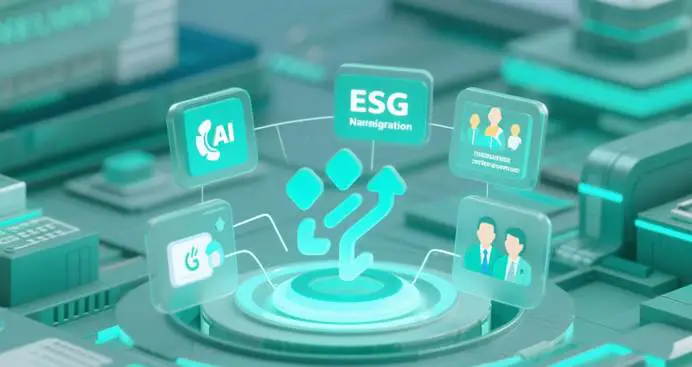
The Rise of ESG & Sustainability: With China’s “Dual Carbon” goals (Carbon Peak, Carbon Neutrality), focus on Environmental, Social, and Governance (ESG) issues has surged. Demand for executive roles proficient in ESG strategy is growing rapidly, and roles like Chief Sustainability Officer are becoming increasingly important.
Innovation & Agile Leadership: Under pressure from rapid market changes, companies seek senior management positions who can foster a culture of innovation, possess an agile mindset, and lead organizations through rapid iteration.
Balancing Localization & Globalization: For foreign companies, executives need deeper “In China, For the World” localization capabilities. For Chinese companies expanding overseas, executives need to know how to manage global teams and handle the complexities of international markets.
Diversity & Inclusion (D&I): Although starting later, more Chinese companies are beginning to value diversity in leadership, including gender, background, and cognitive diversity, as it is proven to lead to better business outcomes.
Challenges and Considerations
Holding a senior management position also means facing significant challenges: intense work pressure, being on call 24/7, complex stakeholder management, intense public scrutiny, and the loneliness of making major decisions amidst uncertainty. Work-life balance is an ongoing struggle for many in executive roles.
Conclusion
Senior management positions in China represent a professional hall of fame filled with opportunity, reward, and immense responsibility. Vice Presidents, Directors, and C-Suite executives are at the helm, steering Chinese enterprises through the global economic ocean. The path to these roles demands continuous learning, a stellar track record, powerful networks, and a sharp insight into market dynamics.
As China’s economy continues to transform and upgrade, the demands on these leaders will only increase. For ambitious professionals渴望 (longing) to climb to the summit, a deep understanding of the内涵 (connotation), requirements, and future trends of these senior management positions is the first and most crucial step in planning a illustrious career. The executive roles in China will continue to evolve, but their core position as the engine and rudder of the business society will remain constant.