
Exploring job opportunities in China? Discover the surprising benefits & strong policy support for foreigners working in China, from tax breaks to family integra tion. Learn more.
Introduction: Why is Working in China a Hot Choice for Foreigners?
As the world’s second-largest economy, China has achieved remarkable success in recent years in fields such as technology, finance, and education, attracting a significant number of foreign professionals working in China. According to official data, by 2023, the number of foreigners in long-term employment in China had exceeded one million, and this figure continues to grow.
Beyond competitive wage levels, the Chinese government and companies provide comprehensive benefits and policy support for expatriate employees. These measures not only reduce the cost of living but also enhance job satisfaction. For instance, many multinational corporations offer housing allowances, international school subsidies, and tax reductions for their staff working in China, making it a top destination for global talent. This article will systematically analyze these benefits and highlight how policies help foreigners achieve a work-life balance while working in China.
Part 1: Visa and Policy Support – Simplified Processes and Enhanced Convenience

Foreigners working in China first benefit from the Chinese government’s preferential visa policies. In recent years, China has introduced numerous facilitative measures, such as the “Foreign Talent Visa” (R-Visa) and “Work-type Residence Permits,” which streamline application processes and shorten approval times. For example, foreign experts in high-tech fields are offered a “green channel,” allowing them to obtain visas within days, significantly boosting the efficiency of working in China. Furthermore, policy support includes relaxed conditions for applying for long-term residency rights. Foreigners who have been working in China continuously for four years and meet a certain annual salary threshold can apply for a permanent residence card (a Chinese “green card”), granting them treatment nearly equivalent to that of Chinese nationals.
High-Level Talent Initiatives
At the policy level, under initiatives like the “Belt and Road,” China has strengthened cooperation with international talent through programs such as the ” Overseas High-Level Talent Introduction Plan” (e.g., the “Thousand Talents Plan“). These initiatives provide additional subsidies and expedited entry services for foreign experts working in China. These policies not only reduce administrative hurdles but also reflect China’s open attitude toward global talent. Statistics from 2022 show that China issued over 500,000 work-related visas, with approximately 30% targeted at the high-tech industry, demonstrating strong policy support for key sectors working in China.
The Work Permit System and Family Support
In practice, foreigners seeking employment must navigate the “Work Permit for Foreigners Working in China” system. This integrated online system handles application, review, and management functions, allowing for streamlined processing. Policies also permit expatriate employees to bring family members and offer work permits for spouses, further enhancing the attractiveness of working in China. For example, many foreign-owned companies provide visa application assistance, alleviating the burden on individuals. This robust policy support transforms the experience of working in China from a challenge into an opportunity.
Part 2: Financial Benefits – Tax Incentives and Subsidies to Boost Net Income

Beyond their base salary, foreigners working in China enjoy significant financial benefits, most notably tax preferential policies. China’s Individual Income Tax Law stipulates that foreign employees who meet certain conditions can benefit from “tax-exempt allowances,” where expenses like housing rent, children’s education fees, and language training fees can be deducted before tax. Specifically, if a foreigner has been working in China for 183 days or more but is classified as a “non-resident taxpayer,” parts of their income may be subject to lower tax rates or exemptions. For instance, according to 2023 regulations, bonus income for senior foreign executives can qualify for up to a 50% tax reduction, directly increasing the net income from working in China.
Allowances and Social Insurance
Moreover, many Chinese companies provide additional allowances for expatriate staff, such as transportation subsidies, meal allowances, and year-end bonuses. These benefits are often tailored to the work location and industry. In first-tier cities like Beijing, Shanghai, Guangzhou, and Shenzhen, foreign companies typically offer substantial housing allowances to offset the high cost of living. Policy support also includes social insurance advantages. While foreigners working in China can participate in the “five social insurances and one housing fund” system (pension, medical, unemployment, work-injury, maternity insurance, and housing provident fund), some companies allow expatriate employees to opt for international insurance plans, providing more comprehensive coverage.
Pilot Policies in Special Zones
From a macro-policy perspective, to attract foreign investment and talent, China has implemented tax pilot policies in Free Trade Zones (e.g., Shanghai FTZ), further reducing corporate and individual income tax burdens for foreign staff. These measures mean the actual income for foreigners working in China often far exceeds the number on their payslip. For example, one survey indicated that for over 70% of expatriate employees, tax benefits were a key factor in choosing to work in the country. Policies also encourage foreign companies to establish “talent funds,” offering entrepreneurial support or equity investment to employees, enhancing long-term attractiveness for those working in China.
Part 3: Lifestyle Benefits – Housing, Healthcare, and Insurance for Quality of Life
Foreigners working in China enjoy comprehensive lifestyle benefits supported by both policies and their employers. Regarding housing, many companies provide free or subsidized apartments for expatriate staff, especially in major cities. For instance, some multinational corporations offer luxury residences for senior foreign managers in Beijing or Shanghai, with the rent fully covered by the company, significantly reducing the living pressures associated with working in China. At the policy level, local governments like those in Shenzhen and Chengdu have launched “foreign talent housing plans,” offering discounted home-purchasing options or rental subsidies to ensure stable accommodation during their stay.
Comprehensive Medical Coverage
Healthcare benefits are another highlight. While China encourages foreign employees to participate in public medical insurance, most companies provide international commercial insurance that covers a global network of hospitals, including high-end facilities and emergency services. Policy support also includes “expatriate-specific clinics” offering multilingual services and simplified medical procedures. In Shanghai, for example, foreign employees can access fast-track appointments and cross-border medical transfers, enhancing health security for those working in China. Furthermore, during the pandemic, the Chinese government provided free vaccinations and health monitoring for expatriate employees, demonstrating the humane aspect of these policies.
Insurance and Well-being
Insurance benefits extend to accident and life coverage, with many employment contracts including personal accident insurance and pension plans. Policy-wise, China’s “Social Insurance Law for Foreigners” ensures equal rights for foreign and local employees while allowing for flexible choices. These lifestyle benefits not only increase a sense of security but also promote a better work-life balance. Studies show that satisfaction with medical benefits among foreigners working in China is as high as 85%, thanks to continuous policy improvements.
Part 4: Family Support – Children’s Education and Spousal Employment for Family Integration
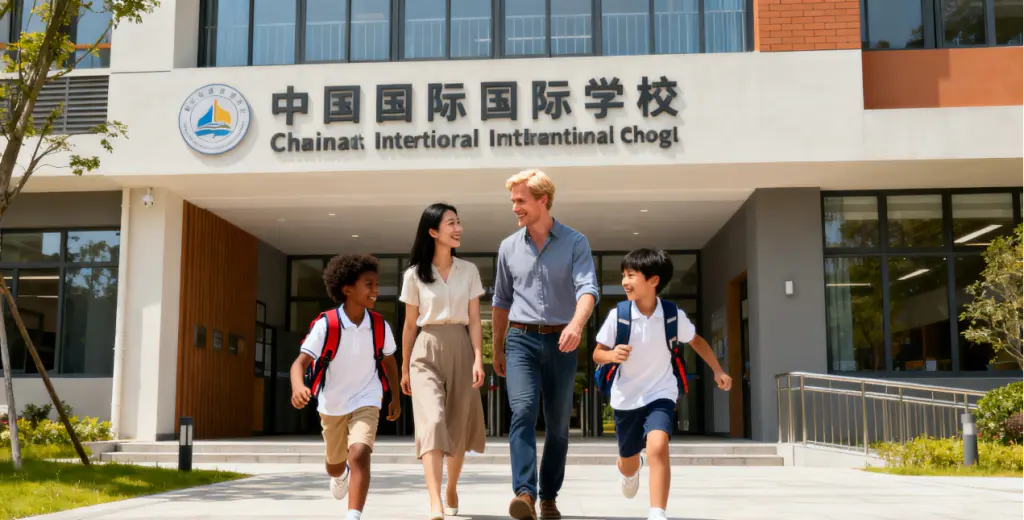
For foreigners relocating with their families, the benefits of working in China include a robust family support system. Children’s education is a core concern. Chinese policy allows the children of expatriate employees to attend international schools, often with subsidies. For example, many companies partner with international schools in Beijing and Shanghai to offer tuition reductions or full sponsorship, ensuring a quality education for their children. Policy support also includes the establishment of “schools for children of foreign personnel,” which follow international curricula (like IB or AP) and are accredited by the Chinese government, alleviating concerns about educational adaptation for families working in China.
Spousal Career Assistance
Additionally, policies encourage spouses to accompany the employee and facilitate work permits for them. China’s “talent introduction policies” explicitly state that spouses of foreign employees can apply for work visas, simplifying the employment process. Many cities have also set up “expatriate spouse employment service centers” offering vocational training and job fairs to help spouses find work or start businesses while working in China. In Guangzhou, for instance, some foreign companies provide part-time opportunities or networking support for spouses, enhancing the stability of the entire family unit.
Cultural Integration Support
Family benefits also encompass cultural integration, such as language training and cultural activities. From a policy standpoint, the Chinese government funds “expatriate community centers” that organize Mandarin language courses and festival celebrations to facilitate interaction between foreigners and the local community. These measures not only mitigate culture shock but also increase the willingness to pursue long-term careers working in China. Data indicates that for over 60% of expatriate families, educational and spousal support are key reasons for staying.
Part 5: Cultural and Social Benefits – Language Training and Social Integration for a Sense of Belonging

Foreigners working in China also benefit from cultural and social perks driven by both policy and corporate initiatives. Language training is a common benefit, with many companies offering free Mandarin lessons to help employees adapt quickly. Policy support includes “subsidies for the Chinese Proficiency Test (HSK) for foreigners,” where passing the exam can lead to bonuses or promotion opportunities. For example, in high-tech parks like Zhongguancun, language centers offer customized courses for foreign experts working in China, improving communication efficiency.
Fostering Community Connections
Regarding social integration, policies encourage foreign employees to participate in local community activities, such as volunteer programs or sports events. The Chinese government organizes cultural exchanges through “foreign talent associations” to reduce feelings of isolation. Furthermore, corporate benefits include flexible working hours and remote work options, especially in the post-pandemic era, making the experience of working in China more sustainable. Policies also safeguard the legal rights of foreign employees; revisions to labor laws ensure equal pay for equal work, preventing discrimination.
Building Long-Term Commitment
These benefits not only enhance job satisfaction but also foster a sense of belonging. For instance, a survey revealed that among foreigners working in China for more than three years, 80% cited cultural and social benefits as a primary reason for staying. Policies are continuously optimized, such as the new “points-based system for foreign talent” introduced in 2023, which offers additional rewards based on contribution level, further incentivizing long-term commitment to working in China.
Conclusion: Comprehensive Benefits Make Working in China a Smart Choice
In summary, the benefits and policy support enjoyed by foreigners working in China extend far beyond salary, encompassing visas, finance, lifestyle, family, and culture. These measures lower barriers to entry and enhance the overall experience, making China a magnet for global talent. Policy support like tax incentives and housing allowances, combined with corporate benefits such as healthcare and education, create a win-win situation. As China continues to open up, benefits are expected to expand further, for instance, with new policies in the digital economy and green energy sectors.
For foreigners considering working in China, it is advisable to research local policies thoroughly and leverage corporate resources to maximize benefits. Simultaneously, policymakers should continue to gather feedback to optimize the support system. Ultimately, these benefits not only attract talent but also promote cultural exchange, aiding China’s globalization process. Through the detailed analysis in this article, readers can fully grasp the advantages of working in China and make an informed decision.