
Explore top career opportunities for Robotics Algorithm Engineers at the 2025 Greater Bay Area (Shenzhen Qianhai) International Talent Recruitment Fair. Get a complete guide on required skills, industry trends, and how to prepare for this major event to launch your global career in AI and robotics.
Introduction
The global wave of technological advancement is accelerating, with robotics technology emerging as a core driver of industrial transformation. As the pivotal talent in this field, the demand for Robotics Algorithm Engineers is growing at an unprecedented rate. This article focuses on the “2025 Guangdong-Hong Kong-Macao Greater Bay Area (Shenzhen · Qianhai) International Talent Recruitment Fair” to provide a comprehensive exploration of the career prospects, essential skills, industry trends, and fair details for Robotics Algorithm Engineers. This guide offers over 2500 words of in-depth analysis and practical advice for top talent worldwide.
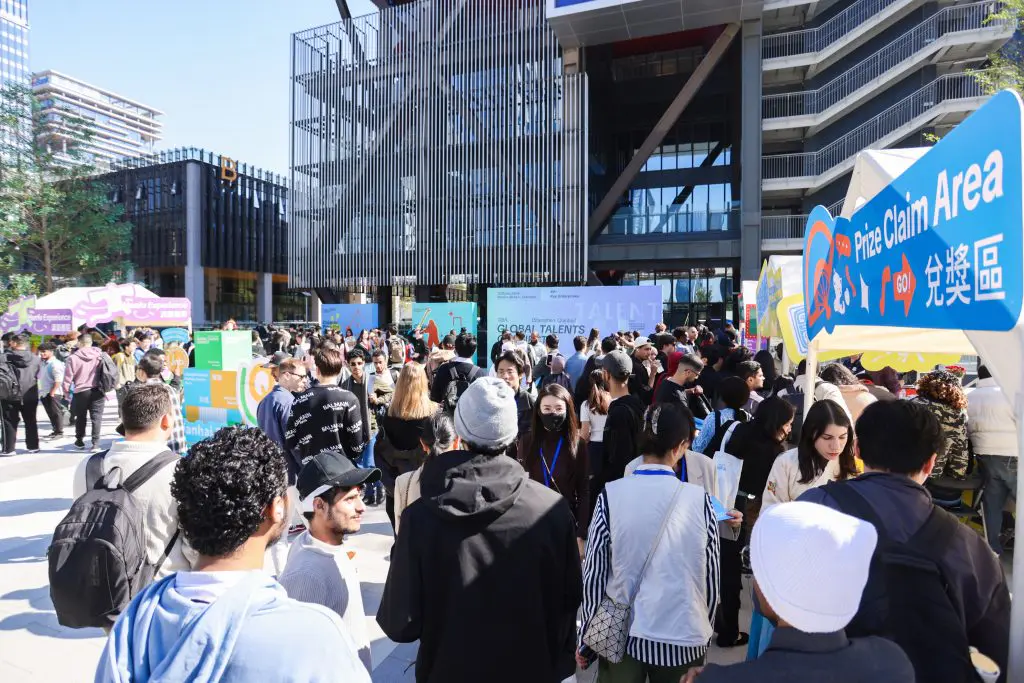
The 2025 Greater Bay Area (Shenzhen Qianhai) International Talent Recruitment Fair: A Global Convergence Platform
The Guangdong-Hong Kong-Macao Greater Bay Area, one of the most dynamic economic regions in China and the world, is committed to building an international center for technology and innovation. The 2025 International Talent Recruitment Fair in Shenzhen’s Qianhai district is a key initiative in this strategy. The Qianhai Shenzhen-Hong Kong Modern Service Industry Cooperation Zone, with its unique policy advantages, open international environment, and complete industry chain support, has become a magnet for attracting global high-end talent. This International Talent Recruitment Fair will focus on cutting-edge fields such as artificial intelligence, robotics, and smart manufacturing, bringing together leading tech companies like Huawei, Tencent, DJI, and Ubtech, alongside hundreds of innovative technology firms. For aspiring Robotics Algorithm Engineers, this is not just a job-seeking platform but an excellent opportunity to engage with the latest industry technologies and expand professional networks.
Robotics Algorithm Engineer: Definition, Responsibilities, and Industry Value
The Robotics Algorithm Engineer is a central role within the robotics technology system, primarily responsible for designing, developing, and optimizing the “brain” of a robot—the algorithms for control, perception, decision-making, and learning. Specific duties span multiple dimensions:
- Motion Control Algorithms: Developing path planning, dynamic control, obstacle avoidance, and collaborative motion algorithms to ensure robots perform tasks accurately and efficiently.
- Perception and Computer Vision: Utilizing sensor data processing, SLAM (Simultaneous Localization and Mapping), object detection, and recognition algorithms to give robots environmental understanding.
- Machine Learning and Artificial Intelligence: Applying AI technologies like deep learning and reinforcement learning to enhance a robot’s autonomous decision-making and adaptive capabilities.
- System Integration and Optimization: Embedding algorithms into hardware platforms, performing performance tuning and real-time testing to ensure the stability and reliability of robotic systems.
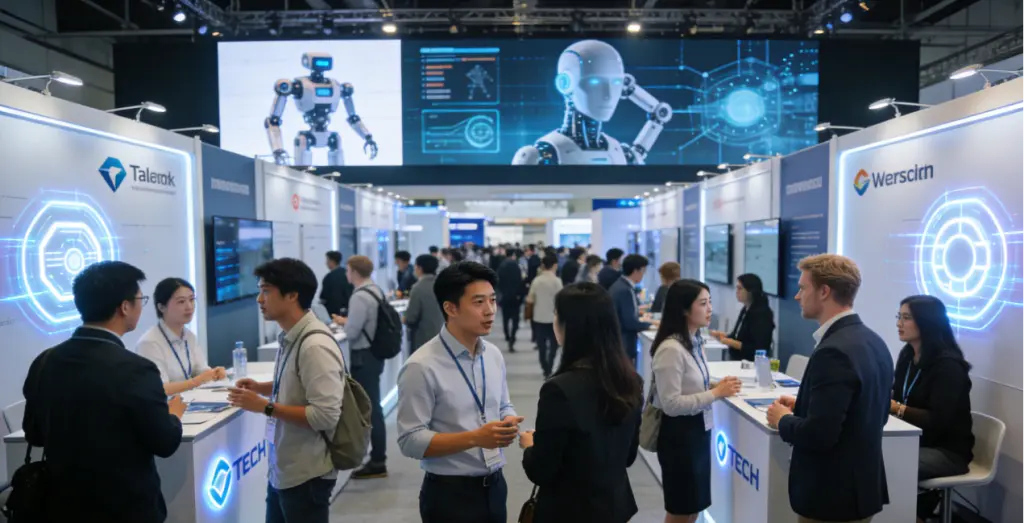
In current fields such as Industry 4.0, smart logistics, service robotics, and autonomous driving, the role of the Robotics Algorithm Engineer is crucial. For instance, in smart manufacturing, collaborative control algorithms developed by these engineers enable efficient multi-robot cooperation. In medical robotics, high-precision motion control algorithms assist surgical robots in performing minimally invasive operations. As robotic applications continue to expand, the market demand for Robotics Algorithm Engineers continues to rise, with salary levels ranking among the highest in the tech industry.
Becoming a Top Robotics Algorithm Engineer: Essential Skills and Knowledge Framework
To qualify for a Robotics Algorithm Engineer position, candidates need to build a multidisciplinary and multidimensional skill set:
- Mathematical and Algorithmic Foundation: A solid grasp of linear algebra, probability and statistics, optimization theory, and numerical computation is the cornerstone of algorithm design. Proficiency in classic algorithms (e.g., Kalman filters, A* path planning) and modern machine learning frameworks (e.g., TensorFlow, PyTorch) is essential.
- Programming and Software Engineering: Expertise in tools like C++, Python, and ROS (Robot Operating System), with experience in embedded development and real-time system programming.
- Domain-Specific Knowledge: Depending on the robot type (industrial manipulators, mobile robots, UAVs, etc.), mastery of corresponding dynamic models, sensor fusion, and control theory is required.
- Soft Skills and Innovative Thinking: Problem-solving ability, teamwork, and curiosity about new technologies are key to tackling complex project challenges.
Furthermore, continuous learning capability is indispensable. Robotics technology evolves rapidly, and Robotics Algorithm Engineers must keep up with frontier research, such as emerging directions like embodied AI and neuro-symbolic AI. Participating in open-source projects, publishing academic papers, or obtaining relevant certifications (e.g., ROS professional certification) can enhance competitiveness.
The Greater Bay Area: An Ideal Development Hub for Robotics Algorithm Engineers
With its complete industry chain, vibrant innovation ecosystem, and superior policy support, the Guangdong-Hong Kong-Macao Greater Bay Area has become the preferred location for the career development of Robotics Algorithm Engineers. Shenzhen, as the core engine of the Bay Area, possesses a complete robotics industry loop encompassing hardware manufacturing, sensor R&D, and algorithm design. The Qianhai cooperation zone further offers policies like tax incentives, talent housing, and cross-border practice facilitation to attract global talent.
This International Talent Recruitment Fair builds upon this context to create an efficient bridge between talent and companies. Participating enterprises not only offer attractive compensation but also emphasize long-term development, including technical training, international exchanges, and equity incentives. For Robotics Algorithm Engineers, working in the Greater Bay Area means exposure to the most cutting-edge application scenarios (e.g., smart ports, unmanned delivery, smart homes), involvement in globally impactful projects, and accelerated personal growth.
2025 International Talent Recruitment Fair: Participation Guide and Preparation Advice

To stand out at the International Talent Recruitment Fair, candidates for Robotics Algorithm Engineer positions need to prepare thoroughly:
- Pre-Fair Research: Research the list of participating companies. Tailor your resume and project presentations for target companies (e.g., tech firms specializing in AGV algorithms or startups developing humanoid robots).
- Portfolio and Resume Optimization: Highlight project experience related to algorithms, such as open-source contributions on GitHub, competition awards (e.g., RoboMaster or Kaggle), patents, or papers. Quantify achievements, e.g., “Improved localization accuracy by 30% through SLAM algorithm optimization.”
- Technical Interview Preparation: Review classic robotics problems (e.g., inverse kinematics, particle filter principles) and prepare for coding tests (common in whiteboard sessions).
- Networking Expansion: Utilize networking sessions at the fair to connect with industry experts and technical leads, gaining insights into the latest research directions and team culture within companies.
The fair will also feature thematic forums and technical workshops covering topics like “Algorithmic Breakthroughs in Embodied AI” and “Future Trends in Robot Perception,” allowing attendees to deepen their industry knowledge.
Career Prospects and Future Trends for Robotics Algorithm Engineers
From a global perspective, robotics is transitioning from structured environments to open, dynamic scenes, placing higher demands on algorithms. In the next five years, Robotics Algorithm Engineers will focus on the following directions:
- Multi-Modal Fusion Algorithms: Integrating data from multiple sensors like vision, touch, and audio to enable more natural human-robot interaction.
- Adaptive and Lifelong Learning: Developing algorithmic frameworks that allow for continuous learning and adaptation in non-preset environments.
- Swarm Robotics Collaboration: Researching decentralized control algorithms for intelligent cooperation within large-scale robot swarms.
- Ethical and Safety Algorithms: Ensuring robotic behavior aligns with ethical standards and incorporates fault warning and safety protection mechanisms.
With the Greater Bay Area’s “14th Five-Year Plan” emphasizing investments in smart manufacturing and smart cities, the career path for Robotics Algorithm Engineers will broaden further, leading to roles such as Chief Scientist, Technical Director, or Startup Founder.
Conclusion: Seize the Opportunity, Co-create the Robotics Era
The 2025 Greater Bay Area (Shenzhen Qianhai) International Talent Recruitment Fair is more than a job-seeking opportunity; it is an entry point into the global innovation network. For ambitious Robotics Algorithm Engineers, it offers the perfect stage for technology implementation, cross-border collaboration, and career advancement. We encourage global talent to actively participate, showcase their skills, and jointly propel robotics technology to new heights.
As a Robotics Algorithm Engineer, you will be a key force in defining the future intelligent world. From algorithm optimization to system innovation, every line of code has the potential to transform industries. Prepare now, join this convergence of wisdom and technology, and write your robotics legacy in the fertile ground of the Greater Bay Area.