
Recently, the creator economy has become highly competitive, and many individuals attempt to establish careers as digital influencers or a distinctive job in China. As soon as major Western platforms such as YouTube and Instagram are saturated, many creators begin to seek alternative venues. One of such places that still seems to be a mystery and yet appears to be very promising is social media in China. To any expat in China, it is not about whether China is relevant but whether he or she can become a content creator in China and succeed here.

The digital environment in China is another game. The potential of the market is enormous, with more than a billion internet users (courtesy of the China Internet Network Information Center). In fact, China had over 1.079 billion internet users as of 2023, making it one of the largest digital ecosystems globally. However, it is not simply a copycat of Western content, but the systems are of a completely different nature, so you have to wonder: are foreigners realistically able to become influencers in China and working in China through such content?
The Social Media in China and Its Differences with the West.
To find out whether you can make a splash in China, you have to find out how the platforms compare to those in the West. In contrast to the open ecosystem of YouTube, TikTok, and Instagram, China has a more structured digital environment with such giants as Douyin, Xiaohongshu, Bilibili, and WeChat. According to Statista, Douyin alone attracts more than 700 million active users every day, making social media in China one of the most dynamic content markets in the world.

The kicker of it is the delivery of content and monetization. Western websites primarily monetise through advertisements and algorithmic reach, whereas social media in China integrates e-commerce, live streams and direct monetisation directly into the consumer feed. Therefore, being a content creator in China is closely tied to the ability to make money in China as you build an audience.
And here is a quick comparison of the substantial differences:
| Aspect | Social Media in China | Western Social Media |
|---|---|---|
| Platform Ecosystem | Closed, domestic platforms | Open, global platforms |
| Monetization | E-commerce, live-streams, brand deals | Ads, sponsorships |
| The rate of growth | Quick with niche producers | Slow, but broad |
| Audience Behavior | High involvement, purchase-oriented | Content consumption oriented |
| Expats Opportunity | Advantage for expat in China | Very competitive |
This shows that social media in China provides an alternative path of growth, particularly for influencers in China who can leverage their unique background.
Can an Expat in China become a Content Creator?
To the point: yes, but it is quite a narrow road. Becoming a foreign creator in China is not only possible but, in many cases, advantageous for an expat in China. The foreigner effect is one of the most interesting phenomena in the Chinese market, as foreign identity attracts attention due to cultural curiosity.
It implies that foreign creators have a higher tendency to be noticed than local influencers in China. Cultural exchange, daily life, language learning, and global perspectives are popular content types. The data of the workforce provided by LinkedIn supports the fact that cross-cultural content is increasingly engaging within the social media ecosystem in China.
But do not fall into the trap of thinking that success is automatic. You still need to adapt to local trends, understand audience preferences, and follow platform algorithms. In Western markets, authenticity alone may be enough, but in social media in China, consistency and format optimization are essential for any content creator in China.
How Influencers in China make money and monetization.
The ability to generate income quickly is one of the greatest advantages of entering social media in China. In the West, it may take years to earn stable revenue, but in China, creators can begin to make money in China relatively quickly once they gain traction.
The common methods include brand collaborations, live-streaming sales, affiliate marketing, and platform-based e-commerce. According to China’s Ministry of Commerce, live-streaming e-commerce exceeded RMB 4.9 trillion in 2023, highlighting how central it is to the digital economy and how influencers in China can efficiently make money in China.
This creates significant opportunities for an expat in China. Once you understand local consumer behavior, you can transition from content creation to monetization rapidly, which is one of the biggest differences between China and Western markets.
Challenges and Final Verdict -Is China better to foreign creators?
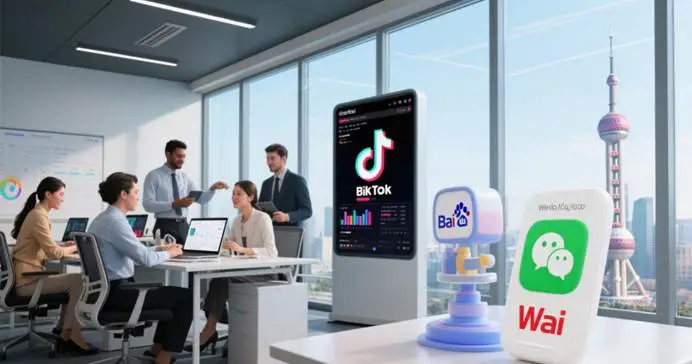
Well, it is bright in the scene, but there are some hard nuts to crack. Laws in China are strict hence regulations were a requirement. The use of language may also delay you particularly when you are not speaking Mandarin. Moreover, platform regulations change rapidly and may be complex, and you will have to keep your alert when operating on social media in China.
The comparison of China with the West is clear when you take a stack. Western locations offer greater freedom and an international audience, although they are also highly crowded and take a long time to monetize. The position in China provides faster growth and better money circulation, allowing influencers in China to make money in China more quickly, but would compel you to localise and remain compliant.
The ability of an expat in China to adjust at the end of the day determines whether they will make it in China or not. Granted, you are ready to master the system, you can become a part of the expanding group of influencers in China, earn a good amount of income, and consistently make money in China as a content creator in China. To a great number of people, the opportunity to make money in China is more than the obstacles, and China is one of the most popular locations in the global creator economy.
Challenges, Risks, and Pain Points for Foreign Creators in China
While the opportunities in social media in China are significant, it is equally important to understand the risks and pain points that come with being an expat in China attempting to build a presence as a content creator in China. These challenges are often underestimated, especially by creators who are more familiar with Western platforms.
One of the most prominent challenges is regulatory compliance. Unlike Western social platforms, social media in China operates under strict content regulations, and violations can result in content removal, account suspension, or even permanent bans. For influencers in China, this means that understanding local guidelines is not optional but essential. Content that may be acceptable in Western contexts might not be appropriate in China, which creates an additional layer of complexity.
Another major pain point is the language barrier. While it is possible to start as a content creator in China using English, long-term growth often depends on engaging directly with Chinese-speaking audiences. This requires not only language proficiency but also cultural understanding. Without this, it becomes difficult for an expat in China to fully connect with followers or build trust, which directly impacts the ability to make money in China.
Platform fragmentation is also a key issue. Unlike the unified global platforms in the West, social media in China consists of multiple ecosystems, each with its own algorithms, content formats, and audience expectations. Managing multiple platforms simultaneously can be overwhelming, particularly for new creators trying to establish themselves as influencers in China.
Finally, monetization, while fast, is not always stable. Although many creators are able to make money in China quickly, income streams can fluctuate depending on trends, platform policies, and brand partnerships. This unpredictability requires creators to constantly adapt and diversify their strategies.
Conclusion
Overall, the landscape of social media in China presents a unique balance between opportunity and complexity. For an expat in China, becoming a successful content creator in China is not only possible but potentially highly rewarding. However, it requires a clear understanding of platform dynamics, cultural expectations, and monetization strategies. Compared to Western markets, influencers in China may benefit from faster growth and stronger commercial integration, but they must also navigate stricter regulations and localization challenges. Ultimately, those who can adapt effectively are far more likely to succeed and consistently make money in China within this rapidly evolving digital ecosystem.