
Wuhan city is a significant city for both transportation and economic development. Whenever individuals think of major cities in China, the first that come to mind are Beijing, Shanghai, and Shenzhen. But there is one more city in the world that is equally significant to the Chinese economy, culture, and everyday life: Wuhan. Wuhan is situated in the center of China and is often referred to as the heart of the land, not only due to its geographic position, but also due to the rich history and local culture that it has, as well as the great changes in its urban environment.
To foreigners, Wuhan is an undiscovered city relative to the megacities of China. However, the people who have time to spend here usually discover that it is one of the most original and vibrant places to enjoy a modern Chinese life. Visiting, studying, or living in Wuhan, you will see that knowing more about this unique place will entirely transform your opinion about China.
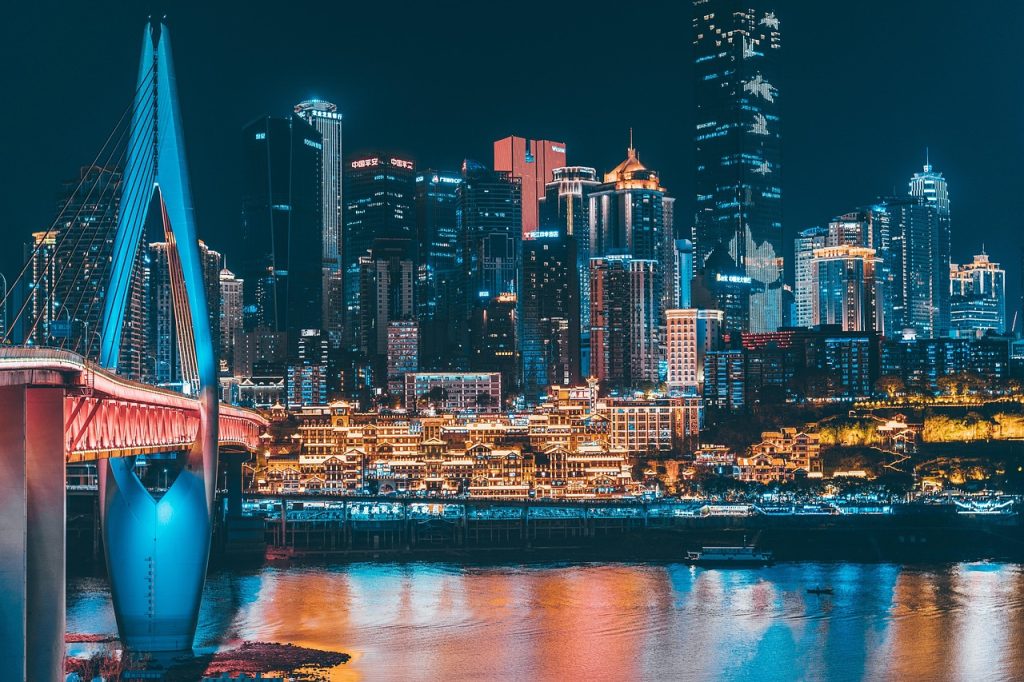
Where Wuhan City Is and Why It Matters
Wuhan lies between the Yangtze River and the Han River, which means that it is one of the most strategically important transport centres in China. In the past, this place enabled this city to become a hub of trade and industry. It remains a significant railway, shipping, and logistics center today, linking the north and the south of China.
The city itself consists of three historical districts of Wuchang, Hankou, and Hanyang, which all have their own character and history. The city of Wuchang has universities and cultural institutions, Hankou has commercial activity and colonial architecture, and Hanyang has industrial heritage. They are united to create a city that seems heterogeneous and multi-strata, as well as providing varying experiences in distinct places.
The significance of Wuhan is also based on its educational prowess. Having dozens of universities and millions of students, the city is a city of youth with its creative and prospective energy. Innovation is also driven by this good academic presence, as Wuhan is becoming an increasingly important hub of technology and research in China.
What Wuhan China Is Known For
Wuhan is a city of contrasts. On the one hand, it has a long history, which is long and it has stretched more than 3,500 years. On the other hand, it is fast becoming modernized, and there are skyscrapers, high-speed trains, and a vibrant tech industry that is transforming its skyline.
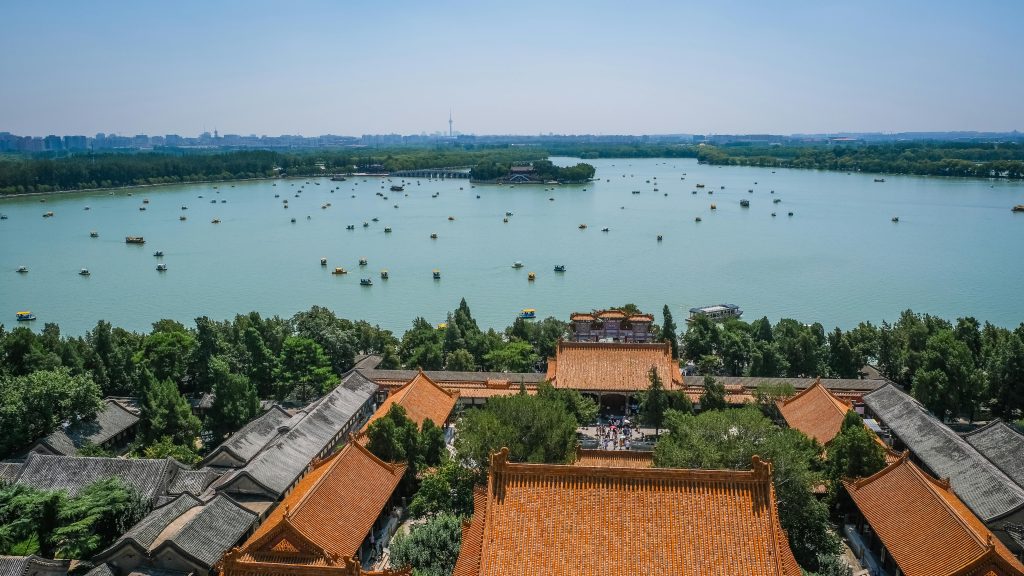
Wuhan is very resilient, and this is one of its defining characteristics. Past years have been very challenging to the city and have come out as a better place with a new wave of investments in infrastructure, public spaces, and city building. This has not only increased the livability of Wuhan, but it has also increased its appeal to the visitors who visit the place.
Meanwhile, Wuhan has a good local identity. Wuhan is characterized by its Chinese flavor, as opposed to those cities that have already turned into highly internationalized ones. This is why it is a perfect destination among foreigners who wish to have a taste of daily life in China, other than the glamour of international cities.
Daily Life in Wuhan
Life in Wuhan is incredibly slow compared to the tier-one cities in China. Although the city remains active and dynamic, it is more relaxed and less stressed. The attitude towards the work-life balance is less serious, and the cost of living is much less than in cities such as Shanghai or Beijing.
The cost of housing is lower, transportation is effective, food and services are affordable, and daily costs are low. This is what makes Wuhan so desirable to students, young professionals, and anyone who wants to experience life in China without having to pay high prices, as is the case in the major international hubs.

Simultaneously, Wuhan city is big enough to provide you with anything. There is a high availability of modern shopping malls, restaurants, cafes, and entertainment facilities. The city has also put large investments into infrastructural facilities such as the growing metro, which has made it simple to travel.
Nevertheless, there are certain adjustments to life in Wuhan city. The heat and humidity during summers are well known and are sometimes called blazing, even according to Chinese standards. Moreover, the knowledge of the English language is limited to some regions, particularly around universities; however, everyday life usually demands at least some rudimentary knowledge of the Chinese language.
Food Culture in Wuhan City
Food is, probably, the only thing that characterizes the culture of Wuhan China. Another popular culture in the city is the breakfast culture that is locally known as guo zao, meaning pass the morning. A breakfast is not only a meal but also a ritual to many residents.
Hot dry noodles are the most iconic, and it is a simple dish that brings out the flavor of noodles, sesame paste, soy sauce, and pickled vegetables. It is a delicacy that is consumed almost daily by locals, and most people consider it the first thing that comes to mind when thinking about Wuhan cuisine.
Wuhan city is home to a variety of local cuisine and street food in addition to hot, dry noodles. Both savory dumplings and spicy snacks, the food industry of the city brings out the diverse influences and rich cooking history. Markets and small restaurants are found all over the place, as they offer visitors an unlimited variety of tastes of authentic flavors.
Something that is unique to Wuhan is the food culture that is accessible. You do not have to go to the costly restaurants to have delicious food. The best meals can be taken in small family dishes, which are run by families and serve the same recipes over generations.
Top Things to Do in Wuhan City
Wuhan has a combination of historical sites, nature, and modern sites. The Yellow Crane Tower is one of the most renowned places in the city and this is a traditional structure that has come to be the icon of this city. Visitors are able to take panoramic views of the surrounding skyline and the Yangtze River, which is situated at the top.
East Lake, which is one of the biggest urban lakes in China, is also another highlight. It offers an idyllic getaway to the city, and walk trails, bike tracks and scenic landscapes that are seasonally replaced. The Yangtze River, per se, is one of the most important components of the identity of Wuhan. The riverbanks are lit at night and make a lively scene with locals going there to unwind, do a workout, or just have a sightseeing experience.
The city is well-covered with museums, parks, and cultural districts, where one may find various chances to get to know more about the history and evolution of Wuhan. There is always something to discover, whether you want to learn about ancient culture or the life of a modern China city.
Wuhan’s Digital and Social Life
Like many cities in China, Wuhan city has embraced a highly digital lifestyle. Mobile apps are used for everything from communication and payments to entertainment and daily services.
Social media platforms play a major role in how people discover new places, share experiences, and stay connected. Short videos, livestreaming, and online communities are deeply integrated into daily routines, making digital interaction a key part of modern life in Wuhan.
Research on China’s digital consumer behavior highlights how social media platforms have become central to entertainment and daily decision-making.
Is Wuhan Friendly for Foreigners
Wuhan China may not be as internationally diverse as Beijing or Shanghai, or some famous China cities, but it is still a welcoming city for foreigners. Universities and businesses attract people from around the world, creating opportunities for cultural exchange.
While language can be a barrier, many locals are friendly and open to interaction. For those willing to adapt, living in Wuhan can be a deeply rewarding experience that offers a more authentic connection to Chinese culture.
Why Wuhan City Is Worth Considering in 2026
As China continues to evolve, cities like Wuhan are becoming increasingly important. With its strong economy, growing technology sector, and rich cultural heritage, Wuhan represents a new generation of cities that combine tradition with modern development.
For foreigners, Wuhan offers a unique opportunity to experience China from a different perspective. It is a place where everyday life feels real, opportunities are growing, and the cultural experience is both rich and meaningful.
Conclusion
Wuhan China may not always be the first city that comes to mind when thinking about China, but it is undoubtedly one of the most interesting. Its blend of history, culture, and modern development makes it a city full of contrasts and possibilities.
For those willing to explore beyond the usual destinations, Wuhan city offers an experience that is both authentic and insightful. It is not just a place to visit, but a place to truly understand what life in China is like today.