
Explore unprecedented opportunities in esports jobs within China’s booming game industry. This ultimate guide for foreign game designers and software developers details how to launch your career with top Chinese companies, from visa processes to success stories.
Introduction: The Eastern Dragon in the Global Gaming Landscape
The Chinese gaming market has undeniably become a global leader in the video game industry, continuously reshaping the international gaming ecosystem with its scale, pace of innovation, and influence. This explosive growth has not only nurtured domestic giant corporations but also created a massive number of high-value career opportunities, particularly within the esports sector. Esports jobs now extend far beyond tournament operations or player coaching, evolving into a comprehensive employment ecosystem encompassing game design, technical development, content creation, and global publishing.
As Chinese game companies accelerate their global expansion, the demand for international talent has surged dramatically, making the recruitment of foreign designers and developers a strategic priority for many firms. This article provides an in-depth exploration of the current state of China’s gaming industry, the specific nature of esports jobs, career opportunities for foreign talent, application strategies, success stories, and future trends, offering a thorough and detailed guide for international professionals aspiring to enter the Eastern gaming market.
Deep Dive into China’s Gaming Market: Data, Drivers, and Global Impact
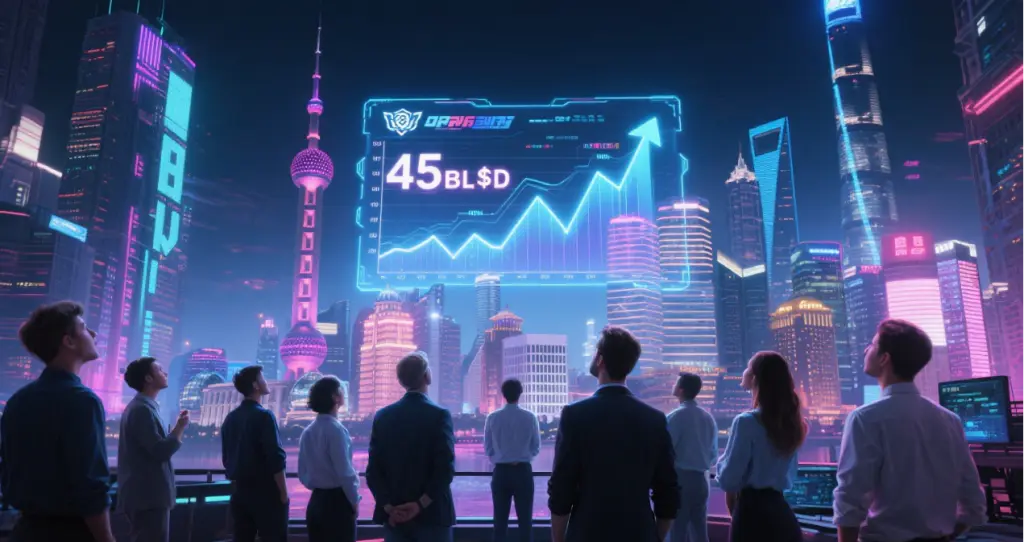
The rise of China’s gaming market is one of the most remarkable phenomena in the 21st-century cultural industry. According to the latest industry reports, the annual revenue of China’s game market has exceeded $45 billion, accounting for nearly 30% of the global games market, and is projected to surpass $60 billion by 2025. This growth is driven by multiple factors:
- Massive User Base: China boasts over 700 million gamers, with mobile game users comprising more than 80% of this base, providing a solid foundation for consumption.
- Policy and Infrastructure Support: Government support through the “14th Five-Year Plan” explicitly backs the development of the digital cultural industry, while the rollout of 5G networks and improvements in cloud technology infrastructure have laid the groundwork for enhanced gaming experiences.
- Capital and Innovation Investment: Leading companies like Tencent, NetEase, and miHoYo each invest over $1 billion annually in R&D, driving innovation in areas like open-world games, cross-platform play, and AI integration.
- Accelerating Cultural Export: The global success of games like Genshin Impact and Naraka: Bladepoint demonstrates that Chinese games have transitioned from imitation to originality and possess international competitiveness.
In this context, esports jobs have become a critical node connecting game products to the global market. China’s esports industry (scale) has surpassed $20 billion, featuring a complete industrial chain including game R&D, tournament organization, club operations, live streaming, and derivative content production. Esports jobs are not only in high demand but are also trending towards specialization and high skill levels, urgently requiring foreign designers and developers to bring cross-cultural perspectives and technical expertise.
The Multidimensional Definition of Esports Jobs: A Career Ecosystem Beyond the Arena
Esports jobs encompass far more than just professional players or coaches; it is a (composite) field integrating technology, creativity, and business. Its core scope includes:
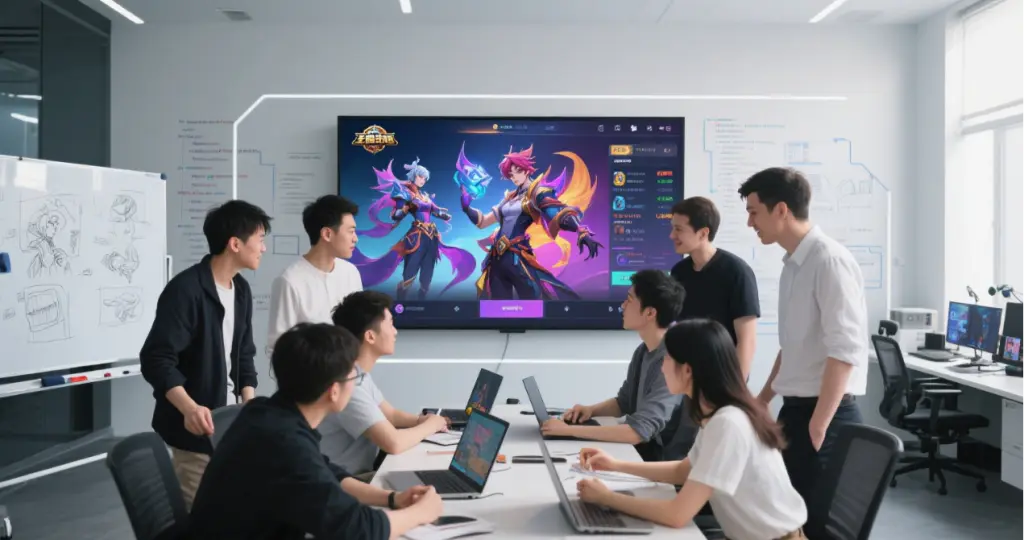
- Game Design and Development: This is the foundation layer of esports jobs, involving core gameplay design, character balancing, integration of competitive modes, and user experience optimization. Esports elements like ranking systems, real-time PvP architecture, and spectator features require deep technical integration.
- Tournament Operations and Management: This includes planning, executing, and producing broadcasts for international-level esports events (like LPL, KPL), involving venue management, sponsor partnerships, and player logistics.
- Content Ecosystem Building: This covers game live-streaming, video content, community management, and social media operations, aimed at enhancing player engagement and brand loyalty.
- Technological Innovation and Infrastructure: This includes applications like VR/AR for esports, AI-driven match data analytics, low-latency network architecture, and cloud gaming platform development.
The uniqueness of esports jobs lies in their highly globalized nature. Chinese companies recruiting foreign designers and developers is not just about filling technical gaps but also about injecting international design philosophies and operational experience to enhance global competitiveness.
Why Chinese Gaming Companies Urgently Need Foreign Designers and Developers
The motivation for Chinese game companies to recruit foreign talent is rooted in their globalization strategies and industry competition needs:
Cultural Adaptation and Localization: Foreign designers can more accurately grasp the cultural preferences of markets like Europe, the US, Japan, and South Korea, avoiding “cultural discount” and improving a game’s acceptance overseas. For example, the success of the Japanese version of Knives Out relied heavily on contributions from the localization team.
Addressing Technical Shortcomings: Gaps still exist in China regarding game engines (e.g., Unreal Engine), high-performance server architecture, and cross-platform development. Foreign developers often bring cutting-edge technical experience.
Diversified Innovation: Multicultural teams can spark more innovative designs, such as Black Myth: Wukong, which blends Eastern aesthetics with Western narrative style and has become a highly anticipated title globally.
Leveraging Policy Incentives: China’s policies for introducing foreign talent (e.g., “High-Level Talent Visa“) lower employment barriers, particularly favoring those in technology and cultural creativity sectors.
The Globalization of Esports Jobs: Esports events are inherently international. Foreign talent has a natural advantage in areas like event standards, rights management, and international distribution.
Esports jobs play a pivotal role in these processes, as esports is both an extension of game products and an independent content and business ecosystem.
Detailed Breakdown of Specific Esports Job Positions and Opportunities
The esports job market in China offers a variety of high-value positions suitable for foreign talent with different professional backgrounds:

Senior Game Designer
- Responsibilities: Designing core esports gameplay (e.g., balance adjustments, tournament rules), narrative integration, and user progression systems.
- Requirements: Familiarity with MOBA, FPS, or open-world genres; experience with AAA projects is preferred.
- Typical Employers: Tencent TiMi Studio Group, NetEase Leihuo.
- Esports Job Specifics: Requires deep integration of esports elements into the game’s core loop, ensuring competitive fairness and watchability.
Full-Stack Software Engineer
- Responsibilities: Building esports tournament platforms, real-time battle systems, and anti-cheat solutions.
- Requirements: Proficiency in C++/Go, familiarity with cloud services (AWS/AliCloud), and network synchronization techniques.
- Typical Employers: Perfect World, miHoYo.
- Esports Job Specifics: Handling high-concurrency data streams to support millions of simultaneous online viewers.
Technical Artist & Animation Specialist
- Responsibilities: Creating esports character skins, tournament UI VFX, and virtual studio designs.
- Requirements: Mastery of Blender/Maya; experience with shader programming or VR is a plus.
- Typical Employers: Lilith Games, Hypergryph.
- Esports Job Specifics: Balancing visual performance with optimization to ensure smooth operation of esports modes even on lower-end devices.
Esports Tournament Director
- Responsibilities: Planning global tournament systems, managing broadcast production teams, and integrating commercial sponsorships.
- Requirements: Experience operating international events like ESL or EVO.
- Typical Employers: VSPO, Hero Sports.
- Esports Job Specifics: Coordinating teams across time zones to create esports IPs with global influence.
Overseas Community Manager
- Responsibilities: Managing international player communities via platforms like Discord and Twitter, planning esports-themed marketing campaigns.
- Requirements: Native-level English, deep understanding of gaming community culture.
- Typical Employers: Tencent International, FunPlus.
- Esports Job Specifics: Building bridges between players and pro gamers to enhance fan loyalty within esports.
Complete Guide for Foreign Talent Applying for Esports Jobs in China
Securing an esports job in China requires systematic preparation:
Resume & Portfolio Optimization
- Highlight esports-related projects: e.g., development of tournament tools, balance design, or community growth case studies.
- Quantify achievements: For example, “Reduced player wait times by 30% through matchmaking algorithm optimization.”
- Portfolio should include: Design documents, code repositories (GitHub), or visual demo reels.
Target Company Research & Targeted Applications
- Prioritize companies with a high degree of globalization: e.g., miHoYo (Genshin Impact), Tencent Lightspeed (PUBG Mobile).
- Use LinkedIn and BOSS Zhipin to search for terms like “esports designer China” or “game developer Shanghai.”
- Attend China Digital Entertainment Expo & Conference (ChinaJoy) for offline networking.
Visa & Legal Process
- R-Visa (Talent Visa): For seasoned industry professionals, requires employer sponsorship and proof of achievement.
- Z-Visa (Work Visa): Standard process, requires work permit and health check.
- Note: Esports jobs are often classified as “shortage occupations,” potentially speeding up approval.
Interview & Test Preparation
- Technical Interview: May involve designing an esports system architecture or simulating balance adjustments.
- Cultural Fit Assessment: Evaluates understanding of the Chinese market and teamwork skills.
- Salary Negotiation: Junior positions ~300-500k RMB/year, senior experts can reach 1 million RMB+.
Onboarding & Integration Strategy
- Language Support: Many companies offer Mandarin courses and translation services.
- Cultural Training: Helps understand Chinese player preferences (e.g., social feature design).
- Career Development: Esports jobs often provide clear promotion paths, e.g., from designer to creative director.
Case Studies: How Foreign Designers and Developers Are Succeeding in China’s Esports Industry
- Case One: Michael (Canada)
- Background: Former Senior Designer at Ubisoft.
- Role: Lead Esports Mode Designer for NetEase’s Naraka: Bladepoint.
- Contribution: Combined battle royale gameplay with melee combat to design the globally popular “Ranked Mode,” attracting over a million daily active players.
- Esports Job Highlight: Led the rules design for the annual World Championship, attracting players from 50 countries.
- Case Two: Sofia (Brazil)
- Background: AWS Cloud Architect.
- Role: Backend Development Lead for Tencent’s Honor of Kings International Version.
- Contribution: Built a low-latency network for the Southeast Asian server, reducing tournament broadcast delay to under 0.5 seconds.
- Esports Job Highlight: Developed a real-time data dashboard for coaches and analysts.
- Case Three: Kenji (Japan)
- Background: Art Director at Capcom.
- Role: Character Art Lead for miHoYo’s Project X.
- Contribution: Designed esports characters blending Japanese style and cyberpunk aesthetics; related skin sales exceeded $20 million.
- Esports Job Highlight: Designed full 3D stages for virtual idol esports tournaments.
Challenges & Coping Strategies: How Foreign Talent Adapts in China’s Esports Industry
Despite the numerous opportunities, foreign designers and developers may face the following challenges:
- Language and Cultural Barriers:
- Challenge: Lack of Mandarin proficiency affecting design communication.
- Solution: Utilize corporate bilingual support and tools (e.g., DingTalk translation features).
- Differences in Work Pace:
- Challenge: The “996” culture (9 am-9 pm, 6 days a week) is common in China’s game industry.
- Solution: Clarify contract terms, choose companies promoting a work-life balance, often those with a more international style.
- Policy Uncertainty:
- Challenge: Fluctuations in game license (版号) approval policies.
- Solution: Focus on globalized projects to reduce reliance on a single market.
- Technology Isolation:
- Challenge: Restricted access to some overseas tools (e.g., Google services).
- Solution: Companies usually provide domestic alternatives (e.g., Alibaba Cloud, Tencent Cloud).
Esports jobs themselves have an international DNA, so team environments are often more inclusive. Many companies also establish foreign employee committees for support.
Future Trends: The Development Direction and Talent Demand for Esports Jobs in China
Esports jobs will show the following trends over the next 5 years:
- Technology-Driven Upgrades:
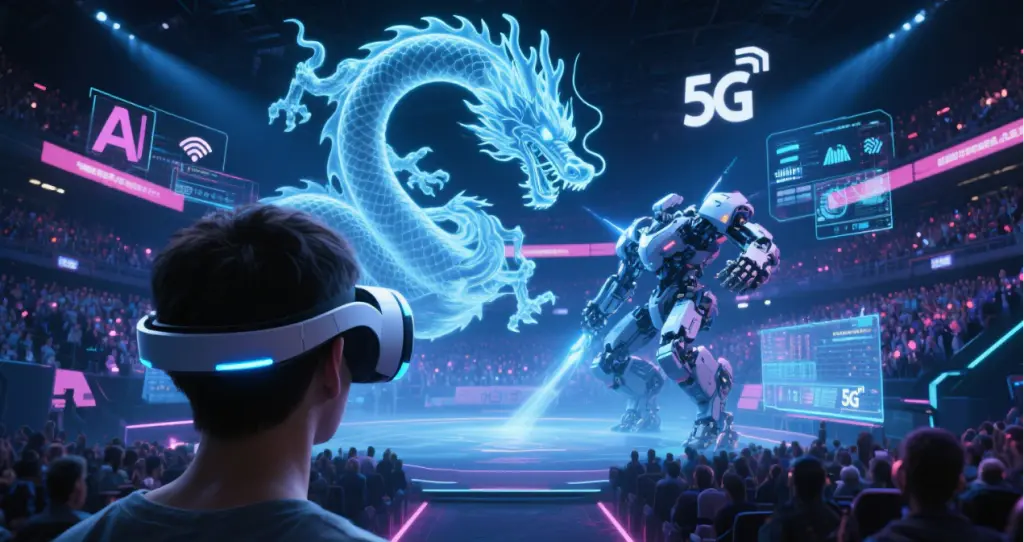
- Cloud Esports: Instant-play tournaments without downloads via 5G and edge computing.
- AI Integration: Smart OB systems, player performance prediction, and personalized viewing recommendations.
- Metaverse Integration:
- Virtual Esports Venues: Supporting VR/AR viewing and social interaction.
- UGC Esports: Player-created tournament modes (类似 Roblox model).
- Increased Policy Support:
- Government plans to increase esports industry value to $50 billion, promoting subsidies for international talent introduction.
- Expansion into Emerging Markets:
- The Middle East and Latin America becoming new battlegrounds, increasing need for talent with relevant language skills.
Foreign designers and developers will play a central role in these trends, especially versatile talents skilled in cross-cultural technology integration.
Conclusion: A Strategic Moment to Embrace the Eastern Esports Wave
China’s gaming market and esports jobs offer unprecedented opportunities for international talent. As industry globalization deepens and technology iterates faster, foreign designers and developers are no longer “supporting roles” but key drivers of innovation. The keys to success are: a deep understanding of the Chinese player ecosystem, flexible adaptation to cross-cultural collaboration, and continuous improvement of technical competitiveness. For those talents eager to shape the future in a dynamic industry, now is the golden time to dive into esports jobs in China.